Choosing the right credit card can make everyday spending more rewarding and financially efficient. With so many options—cash-back cards, travel cards, low-interest cards, and category-specific rewards—it’s important to match your choice to the way you live and spend. The best credit card isn’t necessarily the one with the highest rewards, but the one that fits your habits, goals, and long-term financial plans.
Understanding Your Spending Patterns
Start by reviewing where your money goes each month. Do you spend more on groceries, dining, gas, travel, or online shopping? Your spending habits should guide your card selection. For example, frequent travelers might benefit from a travel rewards card, while someone who spends heavily on daily essentials may get more value from a cash-back card. Knowing your top expense categories helps narrow down the best options.
Comparing Rewards Structures
Different cards offer different types of rewards—points, miles, or cash back. Some cards provide flat rewards on every purchase, while others offer higher rewards in rotating or fixed bonus categories. Compare the reward rates, redemption options, and expiration policies. A great card makes it easy to redeem rewards while offering strong value for the purchases you make most.
Evaluating Fees and Interest Rates
Annual fees, foreign transaction fees, and interest rates can all impact the value of a credit card. A card with a high annual fee may still be worthwhile if you maximize its perks, such as travel credits or lounge access. However, if you rarely travel or prefer low-maintenance rewards, a no-annual-fee card may be a better match. Understanding your comfort level with fees ensures you choose a card that aligns with your lifestyle.
Considering Extra Perks and Benefits
Many cards offer additional protections and conveniences such as purchase protection, extended warranties, rental car insurance, or travel assistance. Cards designed for travelers may provide priority boarding, free checked bags, or hotel status upgrades. These perks can significantly enhance your card’s overall value when they match your habits and preferences.
Checking Credit Requirements
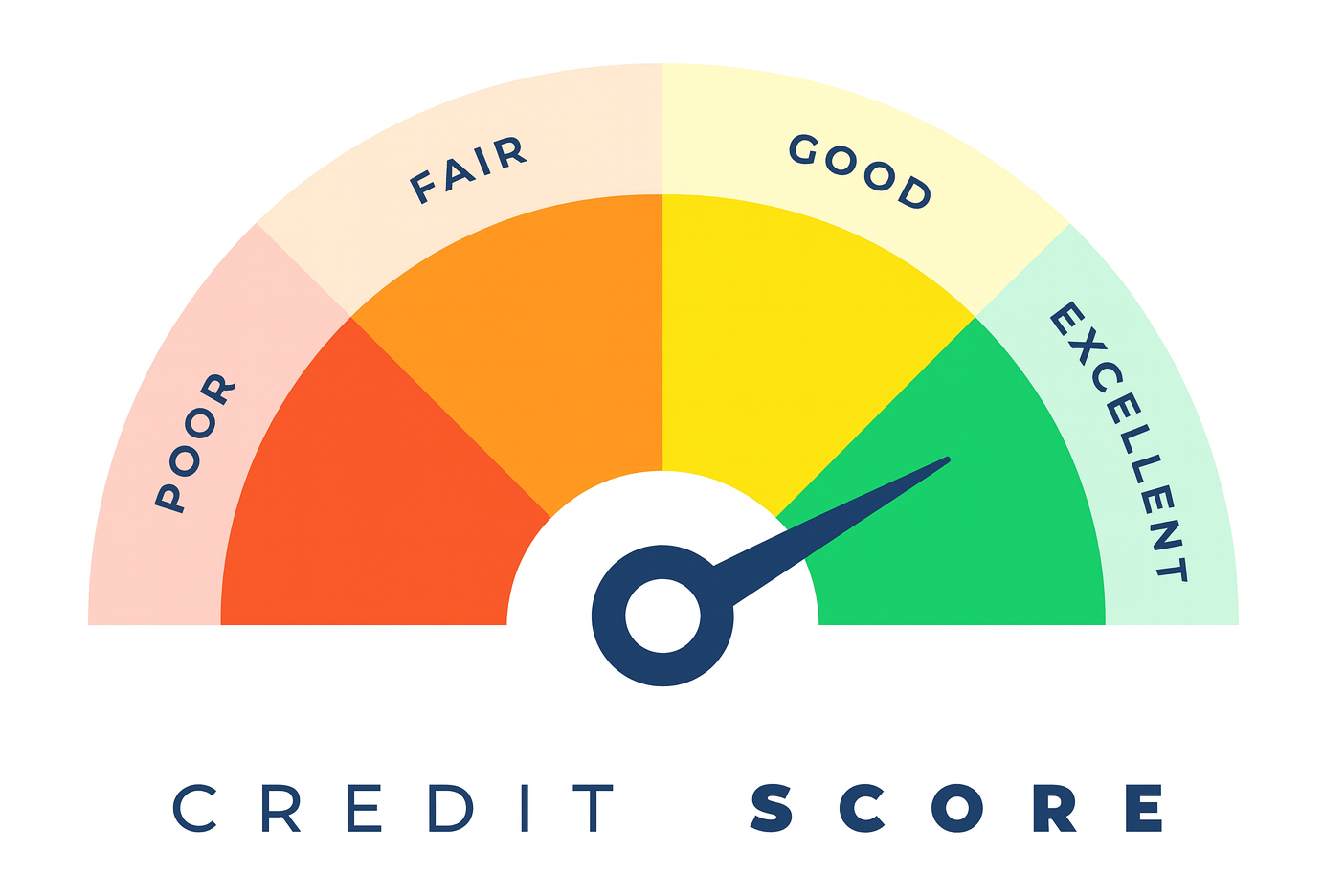
Before applying, it’s important to know your credit score. Some premium rewards cards require excellent credit, while others cater to those who are still building or repairing their credit profile. Checking your eligibility helps avoid unnecessary hard inquiries and increases your chances of approval.
Conclusion
Finding the best credit card starts with understanding your lifestyle and financial goals. By matching your spending habits to the right rewards structure, evaluating fees, and selecting the perks that matter most, you can choose a credit card that brings long-term value. With the right card in hand, your everyday purchases can turn into meaningful rewards and financial benefits.