Choosing the right credit cards starts with a clear view of how you actually spend.
Begin by tracking categories and recurring payments for a full month or more.
That data makes it easier to select cards that deliver value where you use them most.
Keep simplicity in mind to avoid juggling too many accounts.
Assess Your Monthly Spending
Look at recent statements and predict typical monthly costs across groceries, transport, utilities, dining, and subscriptions.
Identify three to five categories that together represent most of your spending.
Decide which expenses are fixed and which vary, because rewards and benefits target different behaviors.
Use that picture to narrow which card features will be most useful.
A realistic assessment prevents chasing rewards that don’t match habits.
It also keeps your strategy manageable.
Prioritize Cards by Purpose
Assign each card a clear role: everyday purchases, travel, emergencies, or balance transfers.
Pick one primary card for most purchases and a secondary card to capture specific bonus categories.
Consider annual fees against net benefits; a fee can be worth it when rewards and perks align with your spending.
Keep the number of active cards low to reduce cognitive load and avoid missed payments.
Label cards in your wallet or a secure app so you use the right one.
Periodically re-evaluate roles as spending habits shift.
Manage Interest and Fees
Rewards matter only if you avoid high interest and late fees.
Aim to pay balances in full when possible, and if you carry debt, target high APR balances first or transfer to a lower-rate option.
Monitor due dates and set autopay for at least the minimum payment to protect your score.
Also weigh insurance, purchase protection, and statement credits as part of total card value.
Understand how fees interact with rewards before opening new accounts.
Small costs can erode benefits over time.
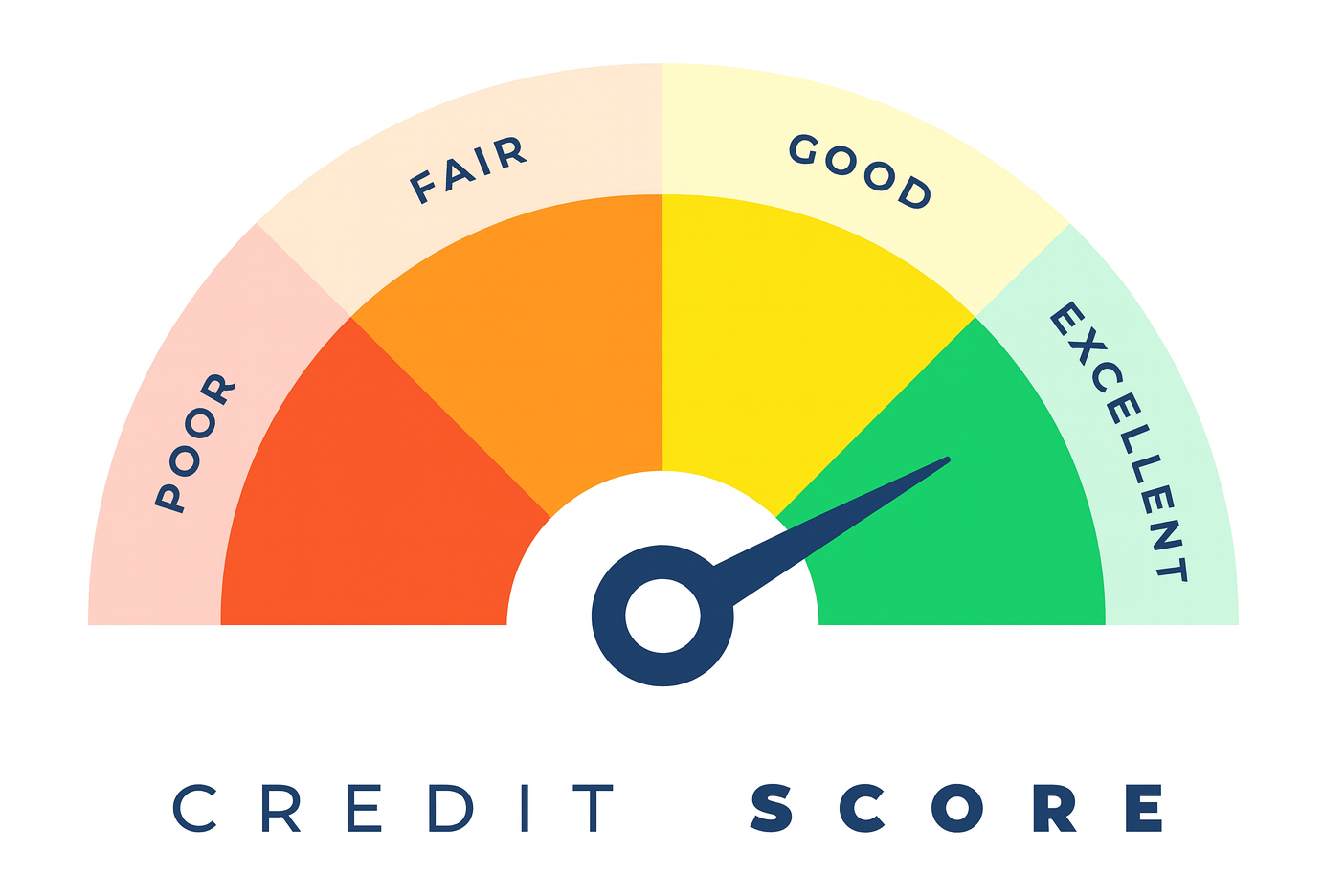
Use Cards to Improve Credit Health
Credit cards contribute to credit health when managed deliberately.
Keep utilization below recommended thresholds by spacing charges across cards and paying down balances before statement closing dates.
Make every payment on time and consider automatic reminders to avoid late marks.
Occasionally using a card for small recurring charges and paying them in full demonstrates consistent positive behavior to lenders.
Review your credit report periodically to confirm account information is accurate.
Appropriate card use both supports benefits and strengthens your long-term borrowing options.
Conclusion
Match cards to how you spend, not a theoretical rewards table.
Simplify roles so you use each card intentionally.
Regularly review and adjust to keep benefits working for you.