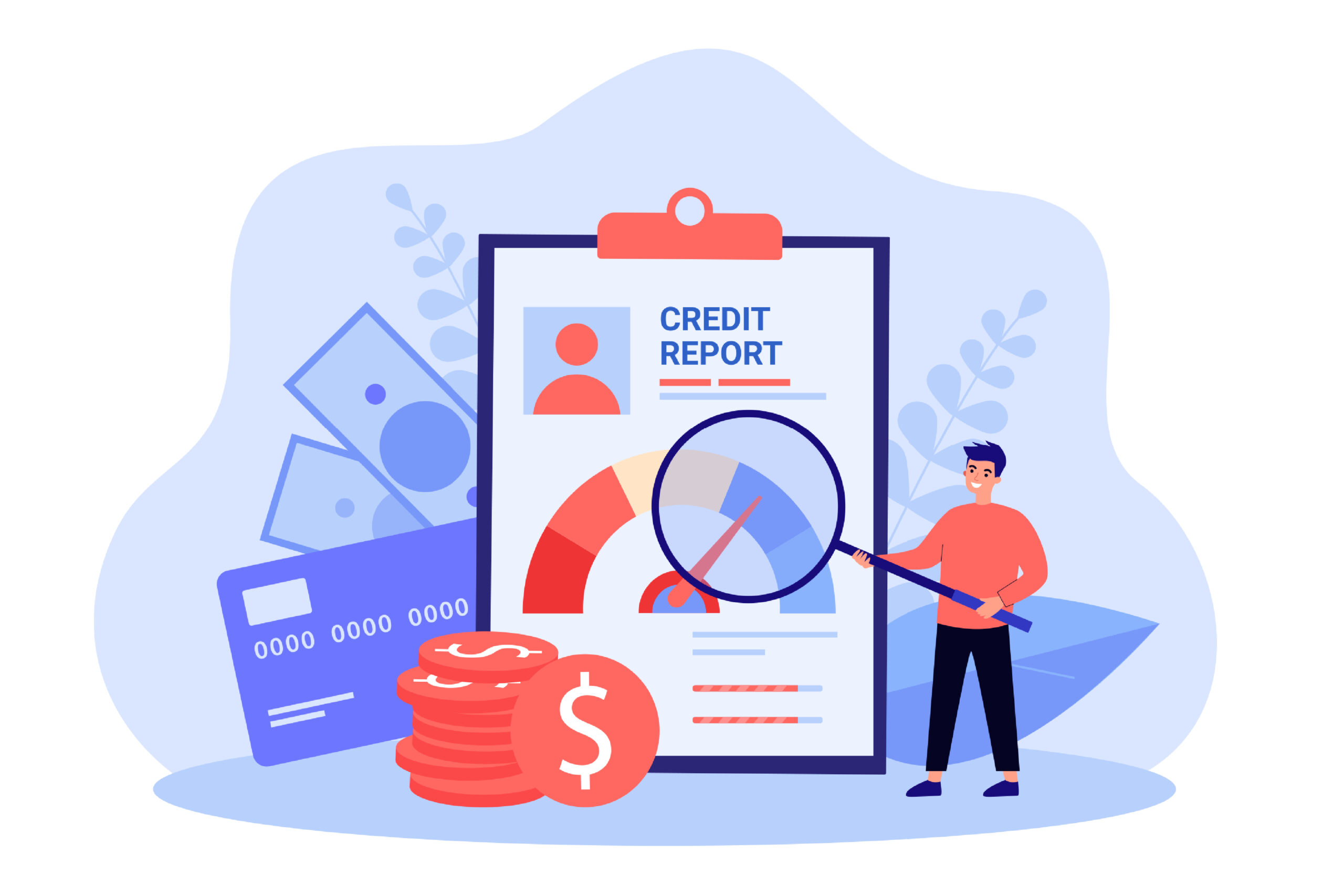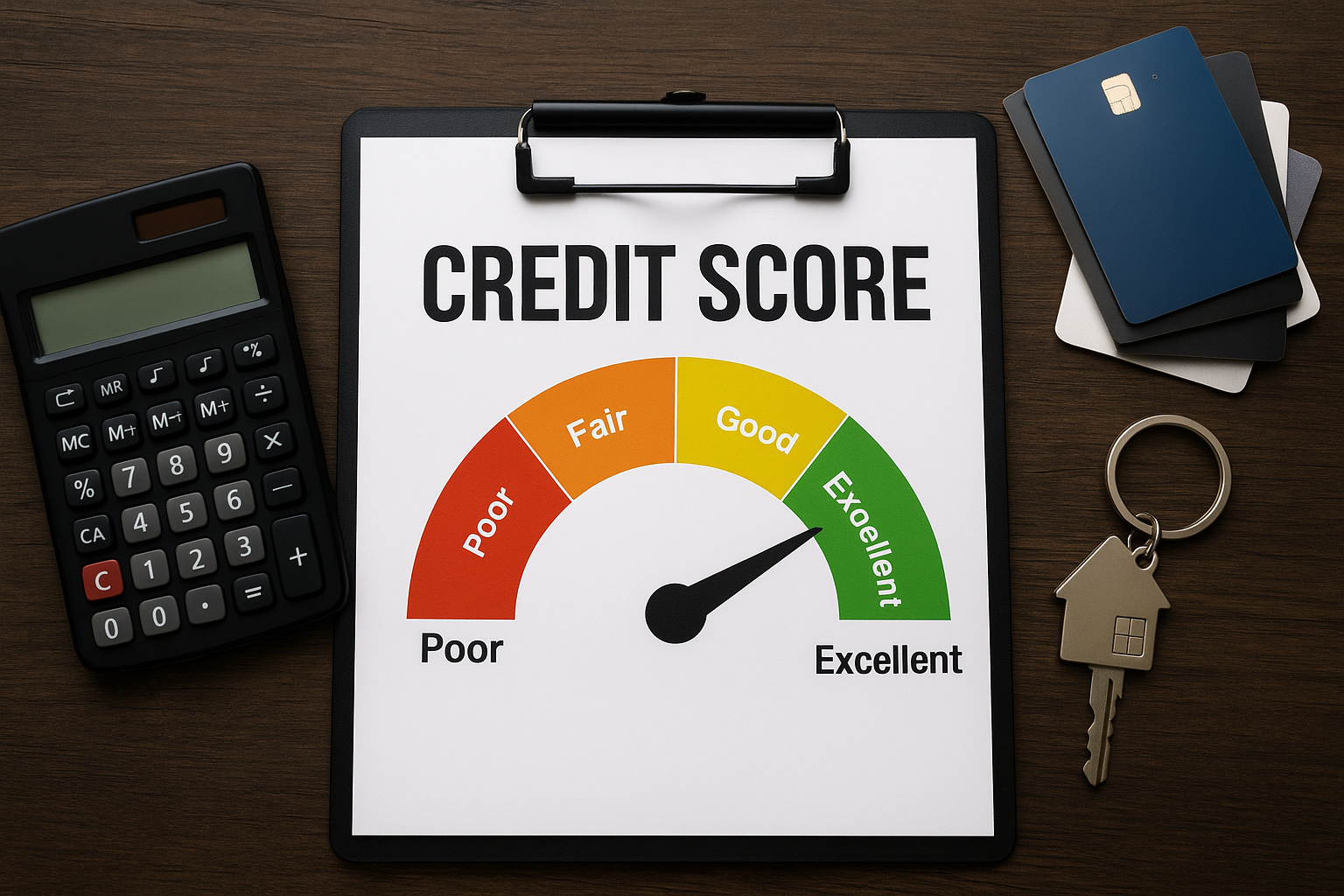
Building and maintaining a strong credit profile is a gradual process that rewards consistent, well-informed habits. Small adjustments to how you use and manage credit can have a meaningful impact on your score over months and years. Focus on predictable behaviors like timely payments, sensible utilization, and regular monitoring rather than one-off fixes. This article outlines practical daily and monthly routines to help you strengthen credit fundamentals without dramatic changes to your lifestyle.
Know the Key Factors That Influence Scores
Your credit profile is shaped by several core elements including payment history, amounts owed, length of credit history, recent inquiries, and account diversity. Understanding which factors carry the most weight helps you prioritize actions that offer the greatest improvement. For many people, addressing late payments and reducing utilization produces faster gains than opening new accounts. Keep a snapshot of these priorities so you can align short-term choices with long-term goals.
Regularly reviewing these factors makes it easier to spot where gains are possible. Simple awareness can shift behavior toward healthier credit patterns.
Make Timely Payments a Nonnegotiable Routine
Payment history typically has the largest influence on credit assessments, so committing to on-time payments is essential. Automate minimum payments where possible and schedule reminders for larger balances to avoid missed due dates. If cash flow fluctuates, prioritize obligations that impact credit and communicate proactively with lenders when hardship occurs. Treating payments as a fixed monthly item helps protect long-term credibility.
Consistent on-time payments build positive records that compound over time. Small failures are costly, so prevention is more effective than recovery.
Manage Credit Utilization and Account Balances
Credit utilization—the ratio of balances to available limits—affects scores in the short term and can be managed monthly. Aim to keep utilization low across individual accounts and overall; paying down revolving balances before statement closing dates can lower reported utilization. Where feasible, request modest limit increases rather than opening new accounts, since new accounts can reduce average account age. Regularly reviewing balances and limits helps you make tactical decisions that improve utilization.
- Target utilization below 30%, and lower for faster gains.
- Pay down high-balance accounts first to reduce concentrated risk.
Small, repeated reductions in utilization often yield more reliable improvements than sporadic large payments. Discipline in this area supports both score and financial flexibility.
Monitor, Correct Errors, and Grow Credit Responsibly
Errors on credit reports are common and can drag scores down if left unaddressed, so routine monitoring is vital. Check your reports periodically, dispute inaccuracies, and document communications to resolve issues efficiently. Build credit responsibly through a mix of installment and revolving accounts, but avoid opening multiple accounts in a short window. Responsible growth paired with vigilance gives you a healthier profile over time.
Ongoing monitoring prevents surprises and helps you measure progress. Pair vigilance with steady habits for the best results.
Conclusion
Improving credit is less about quick fixes and more about consistent, measurable habits. Focus on timely payments, sensible utilization, accurate reporting, and steady account management. Over time, those practical routines form a reliable credit foundation.