Your credit limit isn’t just a number—it’s a financial tool that can help you manage spending, build credit, and maintain financial flexibility. Setting the right limit is all about balance: too low, and you might restrict your purchasing power; too high, and you could risk overspending or hurting your credit utilization ratio. Understanding how credit limits work and what factors to consider can help you choose the ideal amount for your lifestyle and goals.
Understand How Credit Limits Work
A credit limit represents the maximum amount you can borrow on a credit card. Lenders determine it based on factors like your income, credit history, debt levels, and payment behavior. A higher limit signals greater trust from the lender—but it also requires more discipline. Using your limit wisely can strengthen your credit score, while overextending it can damage your financial profile.
Consider Your Spending Habits
Your spending patterns are the most important factor in setting the right credit limit. If you use your card primarily for everyday expenses—like groceries, fuel, or subscriptions—a modest limit may be sufficient. However, if you frequently travel or use your card for business or large purchases, a higher limit may provide more flexibility and prevent you from maxing out your card. The goal is to set a limit that accommodates your needs without tempting overspending.
Manage Your Credit Utilization Ratio
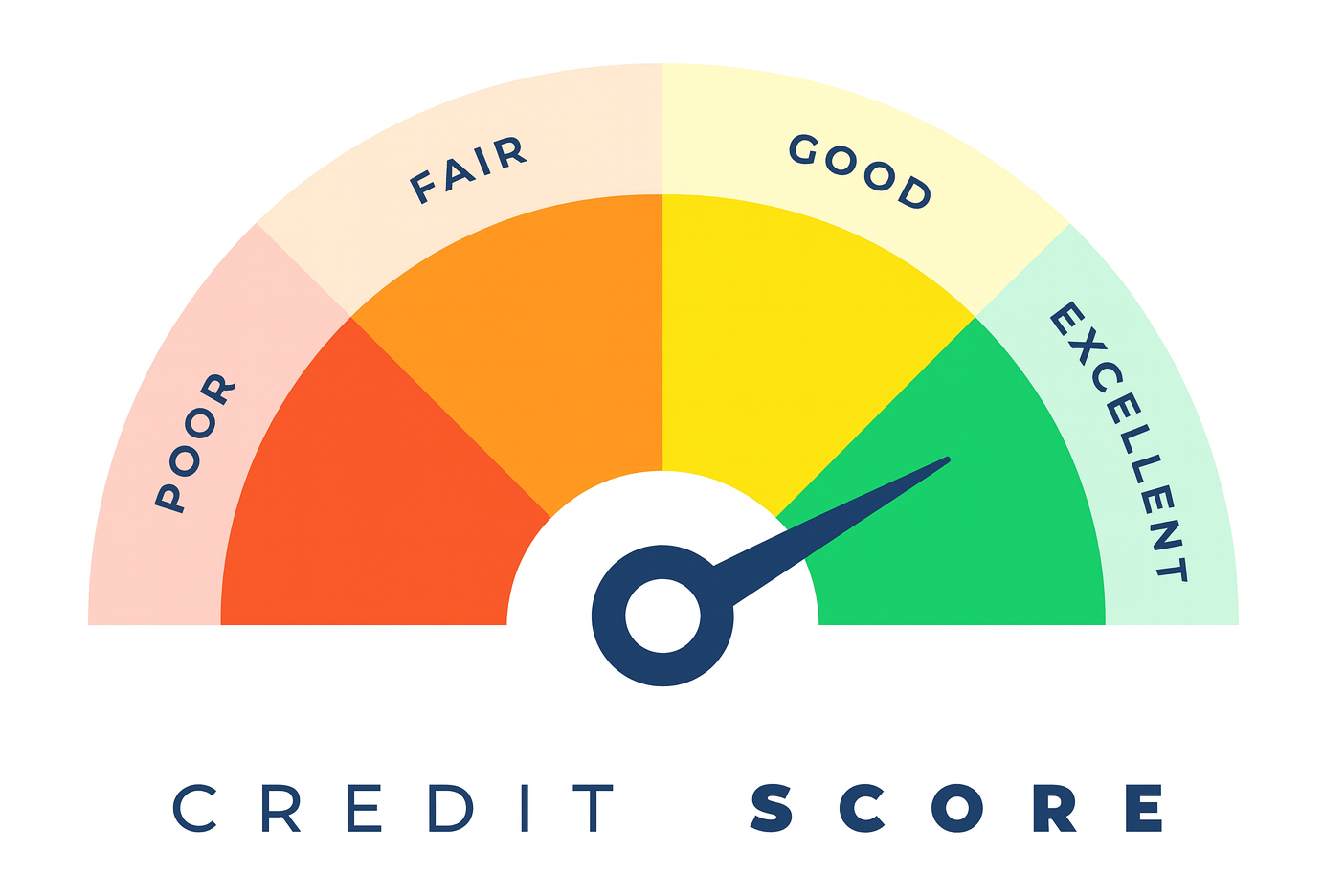
Credit utilization—the percentage of your available credit that you use—plays a big role in your credit score. Experts recommend keeping this ratio below 30%. For example, if your limit is $10,000, try to use no more than $3,000 at a time. Setting a higher limit can help maintain a lower utilization rate, even if your spending remains the same. This strategy can boost your credit score and improve your chances of future loan approvals.
Request Increases Strategically
As your financial situation improves, consider requesting a credit limit increase—but do so strategically. Frequent requests can trigger hard credit inquiries, which may temporarily lower your score. Ideally, request an increase after demonstrating consistent on-time payments and low balances for six months or more. This shows lenders that you can handle higher credit responsibly.
Set Personal Guardrails
Even with a high limit, it’s crucial to set personal boundaries. Use budgeting apps or alerts to monitor your spending and ensure you stay within a self-imposed limit that aligns with your financial goals. This prevents debt accumulation and keeps you in control of your finances, regardless of how much credit is available.
Conclusion
Choosing the perfect credit limit is about knowing yourself and your financial habits. The right limit offers flexibility, supports healthy credit utilization, and aligns with your spending capacity. By managing your limit wisely, you’ll not only enjoy the convenience of credit—but also build a stronger, more resilient financial foundation for the future.