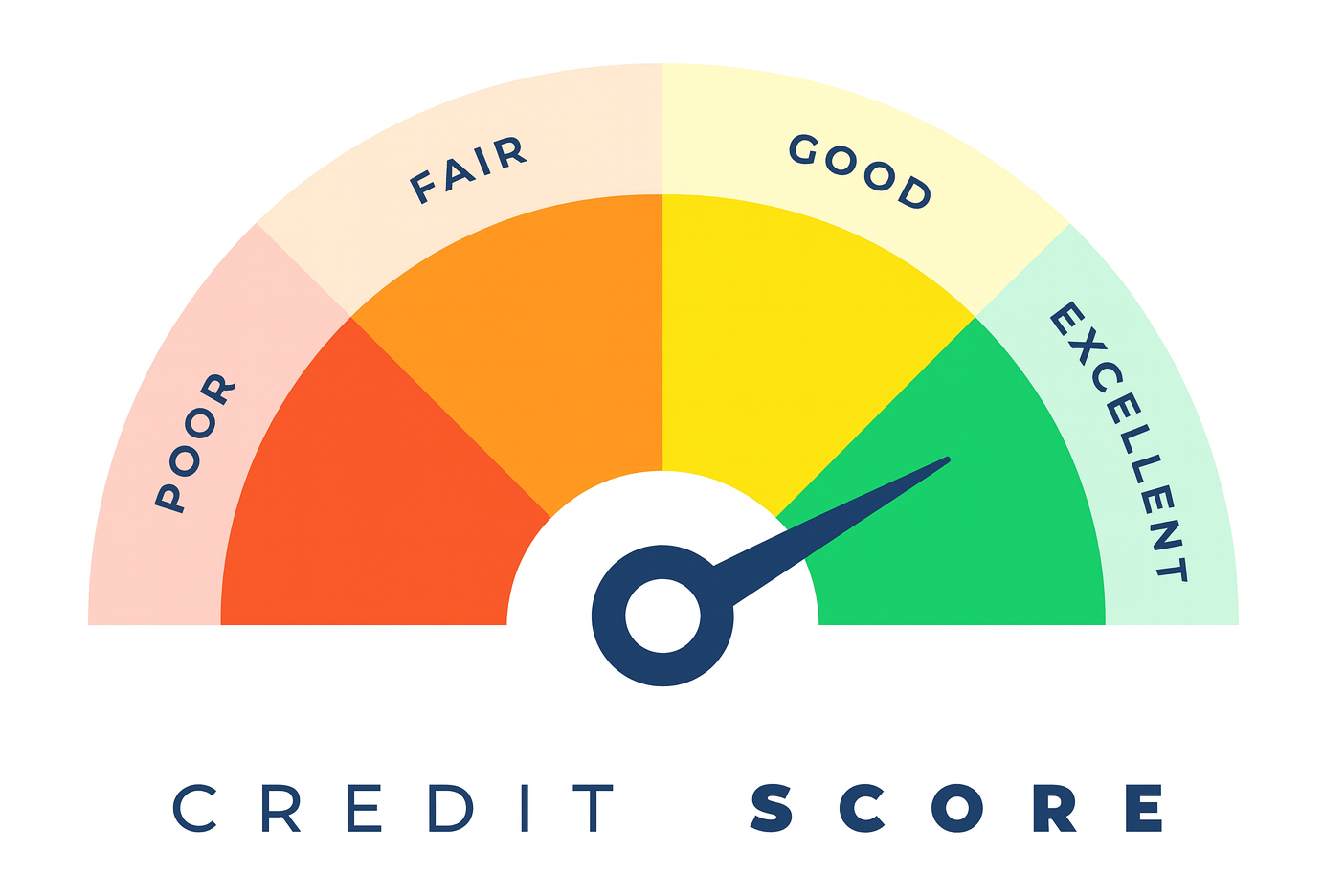
Credit cards can be powerful tools when used deliberately, helping you build a resilient financial profile and access flexibility for everyday spending. Understanding how to balance usage, payments, and monitoring will keep your credit in good standing while avoiding common pitfalls. This article outlines practical, sustainable habits for card use that support long-term goals rather than quick fixes. Emphasizing consistency and informed decisions will make credit cards a productive part of your broader financial plan.
Understand credit card basics
Start by mastering the basic mechanics of credit cards: statement cycles, grace periods, minimum payments, and interest accrual. Knowing when purchases post and how balance transfers affect rates prevents surprises and costly interest charges. Additionally, learn how utilization ratios and account age factor into score calculations so you can prioritize behaviors that matter most. A clear grasp of these fundamentals reduces anxiety and makes strategy easier to implement.
Begin with small, measurable changes and track their impact over a few months. Small improvements compound into meaningful score gains.
Use cards strategically for growth
Choose a mix of card features that align with your needs, such as low ongoing rates, manageable limits, or rewards you will reliably use. Keep balances low relative to limits and aim to pay in full each cycle when possible to avoid interest. If you carry a balance, focus on reducing it while avoiding new debt, and consider targeted balance transfers when the terms make sense. Treat rewards as a secondary benefit rather than the primary reason to open new accounts.
- Set up autopay for at least the minimum due each month.
- Request higher limits selectively to lower utilization.
- Use one or two primary cards to concentrate activity.
Implementing these practices helps build positive payment history and manageable utilization levels. Over time, that consistent behavior supports stronger creditworthiness.
Monitor, review, and adjust regularly
Regular monitoring catches errors early and reveals trends you can act on before they harm your credit. Check statements, review your credit report annually, and use alerts for due dates and unusual activity. If life changes alter your cash flow, adjust card use and communicate with issuers about hardship options before delinquency occurs. Periodic reassessment ensures your card strategy continues to fit evolving goals and circumstances.
Treat monitoring as an ongoing habit rather than a one-time task. Small, timely adjustments keep your profile healthy.
Conclusion
Credit cards are neutral tools; what matters is how you use them. Prioritizing timely payments, sensible utilization, and periodic review builds a stronger financial profile. Consistency and informed choices will yield the best long-term results.