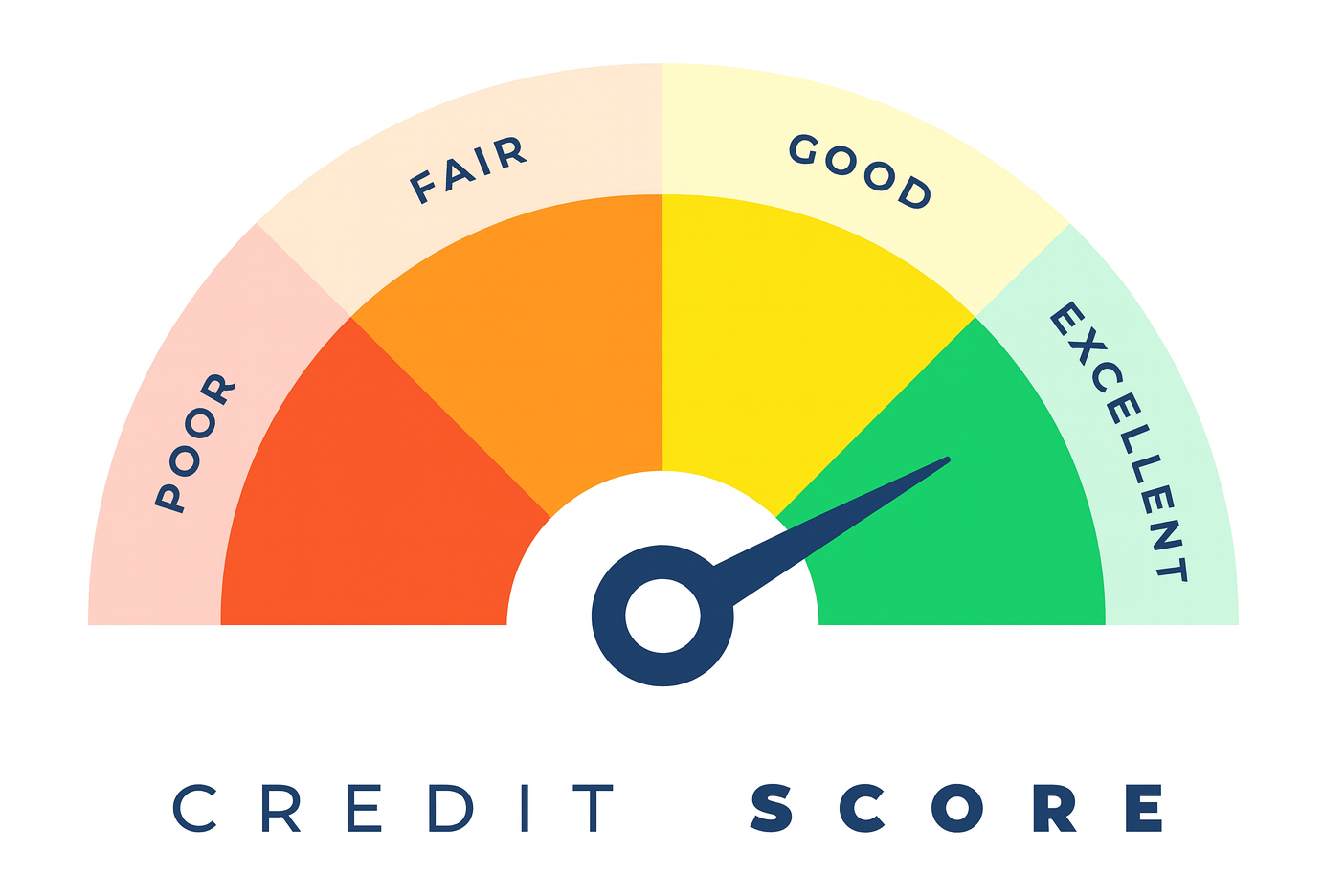
Picking the right card for each purchase can cut costs and increase rewards without adding complexity. Small, consistent rules make juggling two or three cards manageable for most households. This piece lays out practical choices tied to pay schedules and typical monthly spending. Follow a few simple adjustments and your cards will feel like tools, not headaches.
Choose One Primary Everyday Card
Pick a single card for routine purchases: groceries, gas, subscriptions and dining out. Use its rewards structure as the default and set it on your phone for contactless taps and recurring charges. Keeping one card dominant reduces missed opportunities and the risk of accidental credit inquiries from trying too many signups. If you have a specialized card for groceries or gas, treat that as a secondary, not the default.
Limit the number of active cards in daily rotation to two or three. That balance keeps rewards meaningful while simplifying statements and payment tracking.
Use Billing Cycles to Time Big Purchases
Align large expenses with billing cycles and paydays to improve cash flow without carrying a balance. If a purchase falls right after your statement closes, you effectively gain more interest-free days. That timing can reduce the need for short-term borrowing and lets you take advantage of promotional financing when it makes sense. Be mindful of how payment due dates interact with payroll deposits.
- Check each card’s statement close date and due date in your account settings.
- Plan big buys shortly after the statement date to extend your interest-free period.
- Avoid overlapping too many large purchases across different cards in the same month.
Using billing cycles strategically doesn’t replace paying off balances—it’s a scheduling tool to improve cash flow and avoid interest.
Keep Payments Simple and Stay on Schedule
Automate at least the minimum payment for every card to prevent late fees and score hits. For best results, schedule full-pay automation for cards you can clear each month and set reminders for any cards you plan to rotate. Use a single calendar or budgeting app to mark due dates so one glance tells you what’s coming. Avoid carrying balances except when using promotional terms you can repay on schedule.
Consolidating due dates can help, but only if it doesn’t tempt overspending. Simplicity wins: fewer due dates, fewer surprises.
Review Annually and Protect Your Score
Once a year, audit which cards you actually use and why: rewards value, interest rate, annual fee and benefits. Close cards only when it makes strategic sense, since account age and limits influence credit history. Check statements monthly for errors and set alerts for suspicious activity. Keeping tabs on utilization rates—aiming below about 30% overall—helps maintain a healthier credit profile.
Regular reviews keep your set of cards aligned with changing spending patterns and financial goals. A light yearly tune-up prevents clutter from becoming costly.
Conclusion
Match card choices to when you get paid and how you spend each month.
Stick to one primary card, time big purchases around billing cycles, and automate payments.
A small annual review keeps the system efficient and your credit in good shape.