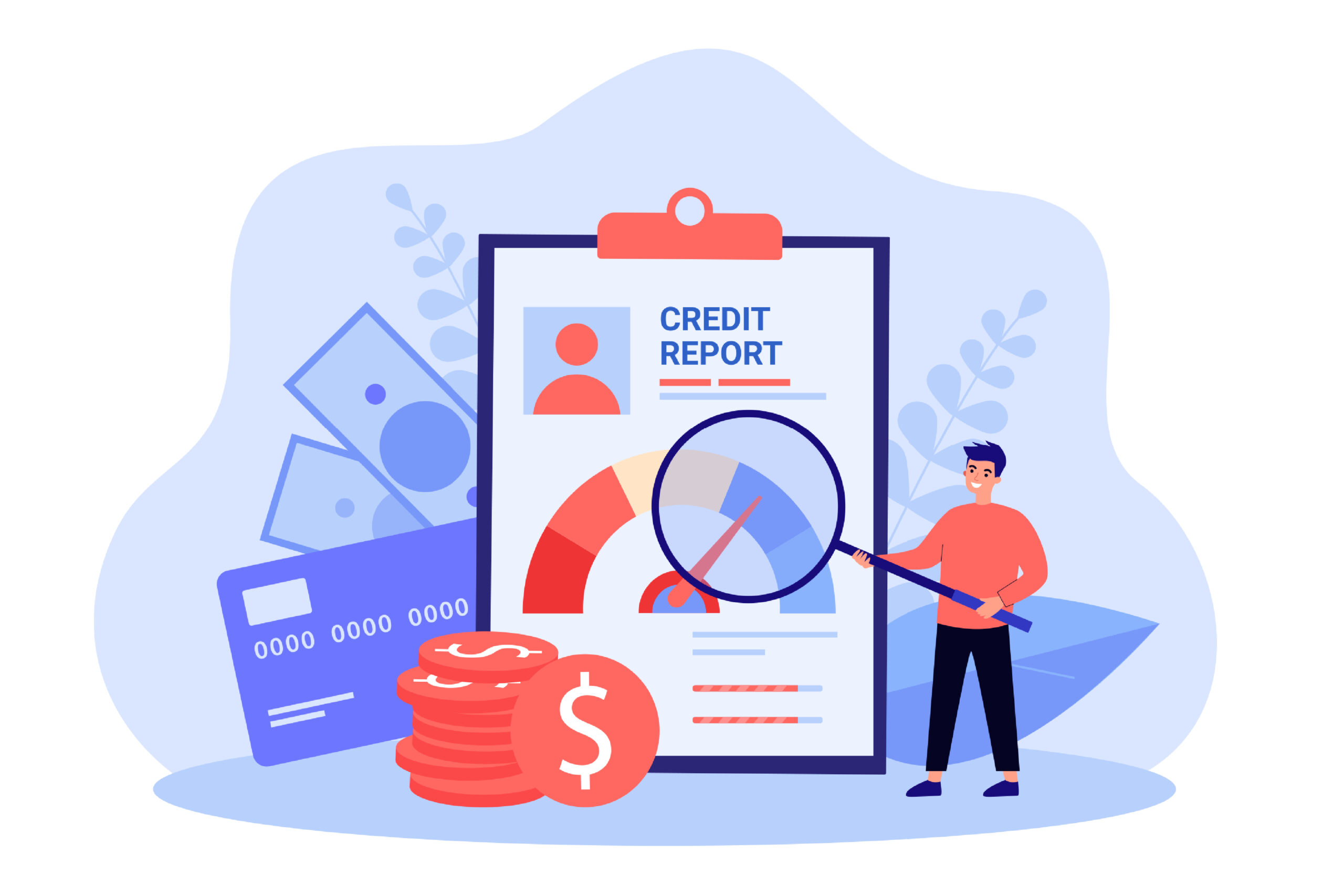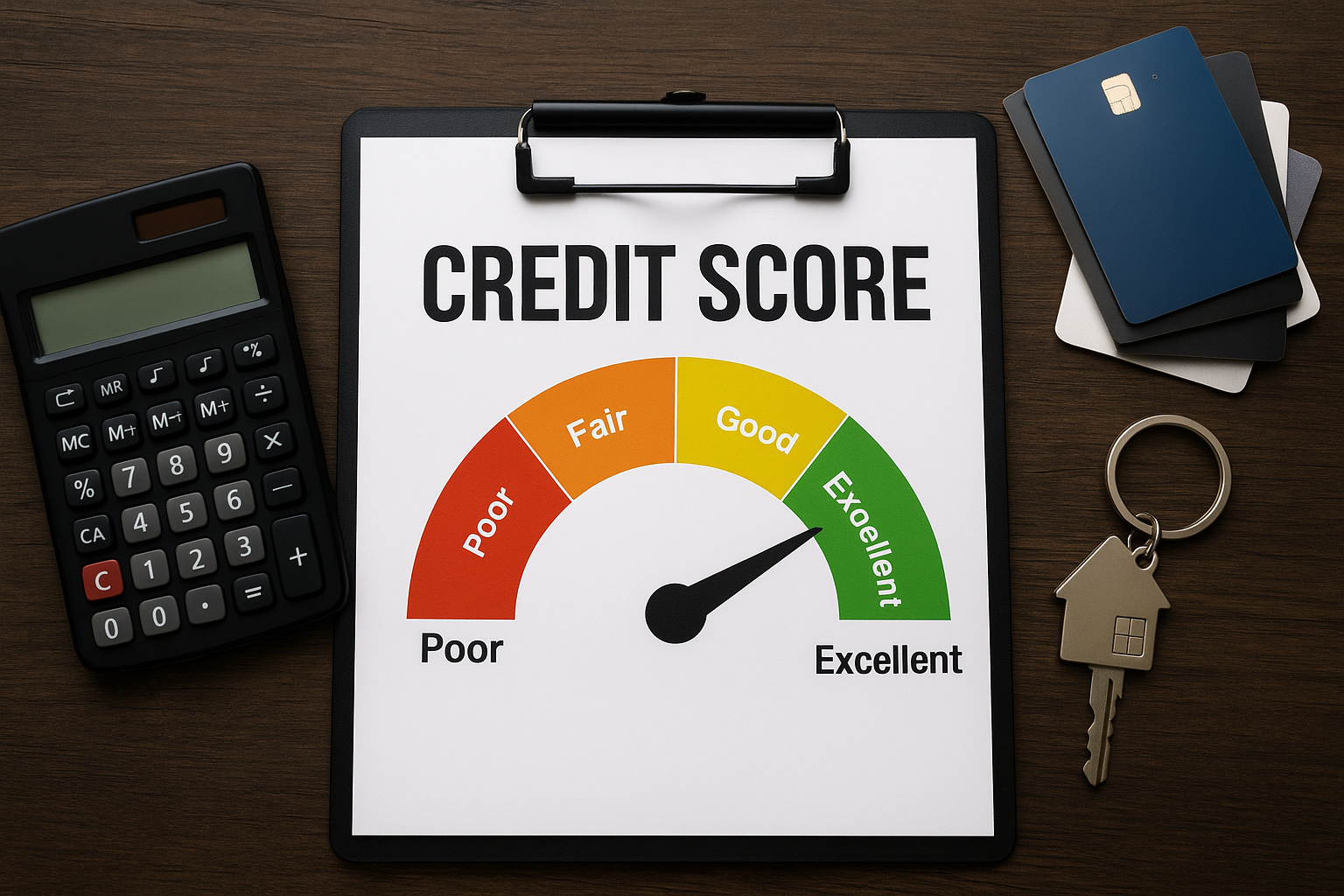
Small, consistent actions each week can steadily improve your credit profile.
Focusing on monitoring, utilization, and timely payments creates measurable momentum.
This guide breaks weekly habits into manageable steps you can follow.
Adoptable routines help you track progress without overwhelming your finances.
Weekly Monitoring and Small Wins
Start each week by reviewing key elements of your credit report and score, paying special attention to recent inquiries and balances so you can spot anomalies quickly. Look for errors, unexpected accounts, or sudden changes and flag them for investigation, then set reminders to follow up on any disputes you open. Regular monitoring helps you detect identity issues early and prevents small problems from becoming major setbacks that are harder to resolve. Use free tools or credit monitoring alerts to maintain visibility without extra cost and consolidate findings in a simple weekly note to track trends.
These short checks take little time and deliver peace of mind, and they often reveal small opportunities for improvement. Make monitoring a nonnegotiable part of your weekly routine to keep momentum steady.
Manage Utilization and Payments
Aim to keep revolving credit utilization low by spreading balances across cards and making periodic payments mid-cycle, which can reduce the balance that is reported to lenders. Paying down high balances before the statement closing date reduces reported utilization and can impact your score faster than waiting to pay the full statement, so prioritize accounts with the highest utilization. Automate minimum payments to avoid late marks, then schedule additional payments when possible to chip away at principal and shorten the time you carry significant balances. This two-pronged approach balances timeliness with strategic reduction of reported balances and supports healthier credit behavior overall.
Small, strategic payments each week can lower utilization meaningfully and improve reported ratios. Consistency here compounds into stronger credit results over months, so treat these payments as part of your routine.
Strategic Account Management
Review which accounts contribute positively—older, well-managed accounts often help your credit age and mix, so recognize their value before making changes. Avoid closing long-standing cards unless fees outweigh benefits, and consider adjusting credit limits responsibly rather than canceling accounts to preserve available credit. If opening new credit, do so sparingly and with purpose, since inquiries can temporarily dip your score and new accounts change your mix; plan openings around specific needs. Periodically rebalance accounts to ensure you retain a healthy mix of installment and revolving credit while aligning actions with your broader goals.
Thoughtful account decisions keep your profile stable and predictable and reduce surprise impacts on your score. Use weekly check-ins to decide actions that align with your long-term goals and adapt as circumstances change.
Conclusion
Small weekly habits compound into measurable credit improvements.
Focus on monitoring, utilization, and account strategy.
Stay consistent and review progress monthly to stay on track.