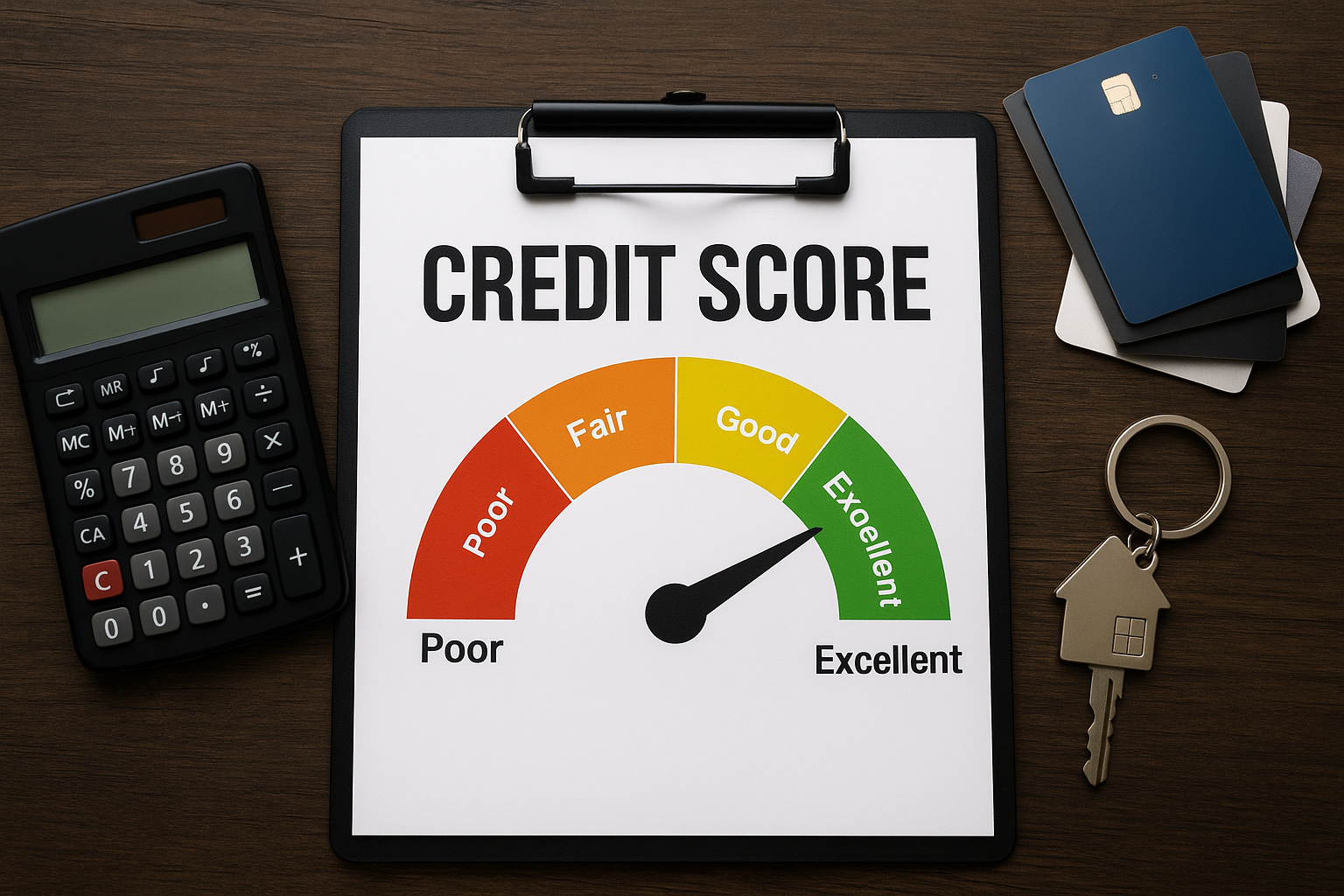
When it comes to renting a home in the U.S., your credit score can play a bigger role than you might think. While most people associate credit scores with loans or credit cards, landlords and property managers often use them to assess a renter’s financial reliability. Whether you’re applying for your first apartment or moving into a new neighborhood, understanding how your credit impacts rental decisions can help you prepare — and improve your chances of approval.
Why Landlords Check Credit Scores
A credit score gives landlords a snapshot of your financial behavior. It reflects how consistently you pay bills, manage debt, and handle credit over time. A higher score signals financial responsibility, suggesting you’re more likely to pay rent on time. Most landlords in the U.S. check credit reports through agencies like Experian, Equifax, or TransUnion to evaluate rental applications. Some property managers also use tenant screening services that include credit history, income verification, and rental background checks.
What Credit Range Landlords Look For
While there’s no universal requirement, many landlords prefer tenants with a credit score of at least 650. In competitive rental markets — especially in large cities — higher scores (above 700) can give applicants an advantage. However, a lower score doesn’t automatically mean rejection. Many property owners consider other factors such as proof of steady income, references, or a larger security deposit. Some even allow co-signers to strengthen an application.
How to Strengthen Your Rental Application
If your credit score isn’t perfect, there are still ways to make your application stand out. Providing recent pay stubs, bank statements, and letters of recommendation from previous landlords can build trust. Offering to set up automatic payments or prepaying a few months’ rent can also reassure landlords of your reliability. Being transparent about past credit issues — and showing evidence of improvement — often works in your favor.
Improving Your Credit Before Renting
Before starting your home search, check your credit reports from all three major bureaus for errors or outdated information. You can access free annual reports at AnnualCreditReport.com. Pay down high balances, make payments on time, and avoid opening new credit lines right before applying for a rental. Even small improvements in your score can make a noticeable difference in approval odds and lease terms.
Why It Matters Beyond Approval
A strong credit score doesn’t just help you secure a rental — it can also lead to better lease terms. Tenants with higher scores may be eligible for lower security deposits or more flexible payment options. Additionally, maintaining good credit while renting sets you up for future goals, such as qualifying for a mortgage or lower insurance premiums.
Conclusion
In today’s rental market, your credit score is more than just a financial number — it’s part of your rental reputation. By understanding how landlords use it and taking steps to improve your credit health, you can make your next rental experience smoother and more affordable. Good credit opens doors — quite literally — to the home you want.