Choosing a small set of credit cards that work together can simplify finances and increase rewards. A focused mix reduces confusion while covering your main spending categories and risk. This approach helps you capture the best benefits without juggling a long list of accounts or fees. Below are practical steps to build and manage a complementary card lineup that fits most lifestyles.
Why a compact card mix makes sense
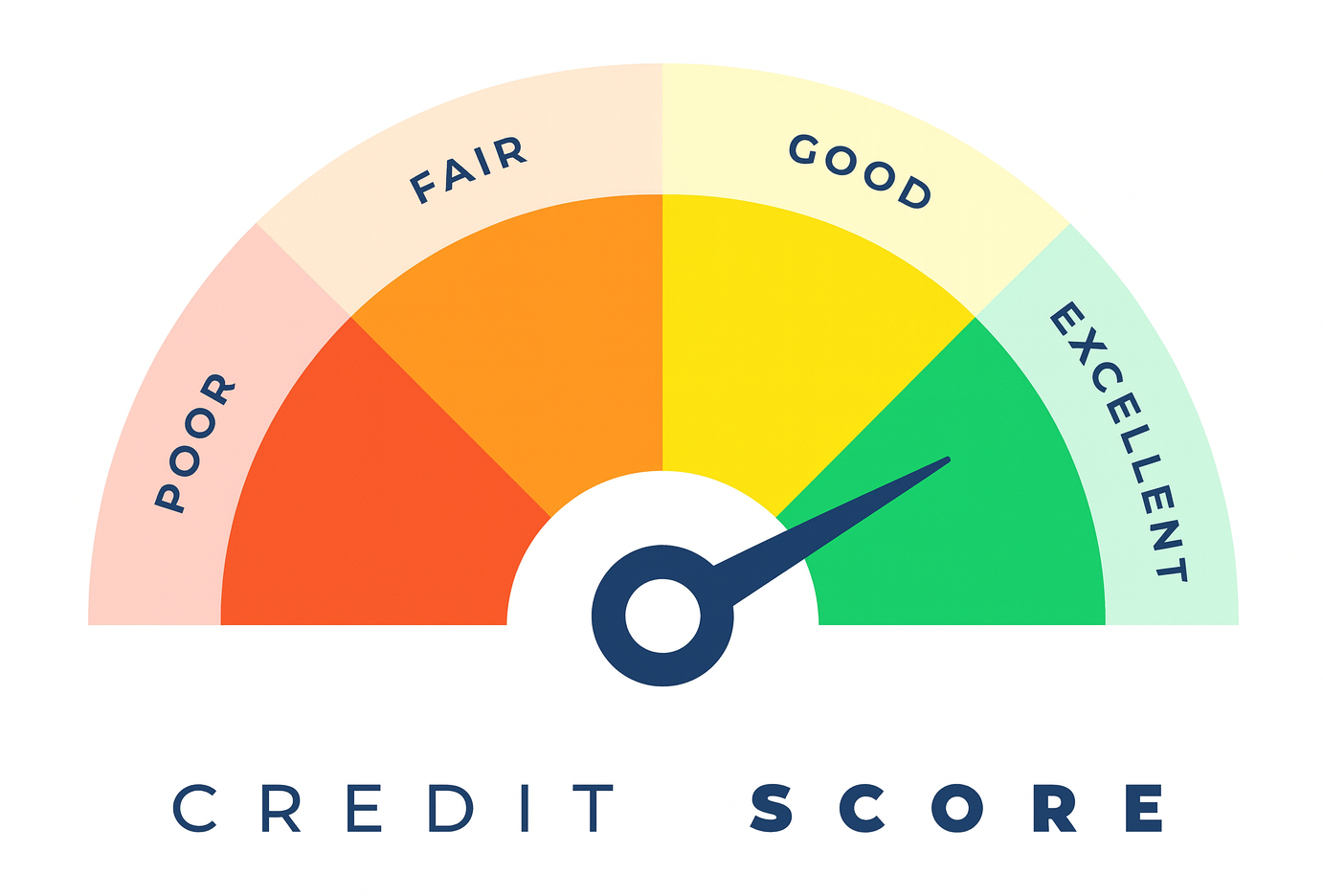
Keeping only two or three cards limits complexity and lowers the chance of missed payments or unused benefits. A smaller portfolio makes it easier to track billing cycles, statement dates, and rewards categories. It also helps maintain a clearer view of credit utilization, which supports your credit score. For many people, fewer cards mean less mental overhead yet sufficient flexibility.
Focusing on a compact set also makes it simpler to evaluate annual fees versus net benefits. You can determine if a fee is justified based on real spending patterns. Ultimately, the goal is efficient coverage rather than maximizing every available perk.
Choosing complementary card types
Pick cards that cover different strengths: one for everyday cashback or points, one for occasional large purchases or travel, and an optional niche card for specific retailers or rotating categories. Aim for overlap that covers majority of your monthly spending without redundant bonuses. Consider interest rates, annual fees, and welcome offers but prioritize ongoing category value. Ensure at least one card has broad acceptance and no foreign transaction fees if you travel.
- Everyday card: groceries, gas, recurring bills.
- Premium or travel card: lodging, flights, larger purchases.
- Niche/store card: higher rewards for a frequent retailer.
Select cards that together maximize your core habits while keeping annual costs reasonable. A complementary trio should feel intuitive to use.
Managing and maintaining the mix
Automate payments and set reminders to avoid late fees and interest charges. Monitor rewards balances and redemption thresholds so points don’t expire or become devalued. Regularly review statements for fraud and adjust the mix if your spending shifts. Periodic reassessment ensures you still get value from fees and benefits.
Use simple rules: primary card for most purchases, secondary for specific categories, and the niche card only when its reward advantage applies. This keeps usage consistent and maximizes returns.
Conclusion
Choose two or three cards that cover your main spending categories and minimize overlap. Keep payments automated and review the mix annually to ensure it still fits your habits. A compact, intentional card lineup delivers rewards with far less hassle.