Credit cards are convenient when you treat them like planned tools instead of impulse money. A few reliable habits — set payments, small checks, and smart feature use — keep balances manageable and reduce stress. This piece lays out clear, practical routines that make late fees and surprises much less likely. You don’t need complicated tracking systems, just consistent rules you can stick to.
Set a Few Simple Payment Rules
Decide on two nonnegotiable payment practices: one to avoid interest and another to avoid late fees. Always pay the full statement balance if you want to avoid interest on purchases, or at minimum pay more than the minimum to chip away at principal. Schedule a calendar reminder or an automatic payment for at least the minimum amount several days before the due date. Consistency removes the guesswork and prevents small mistakes from snowballing.
When you build payments into your routine, you free up mental space and reduce the risk of falling behind. Treat the schedule as a household bill just like utilities or rent.
Track the Few Numbers That Matter
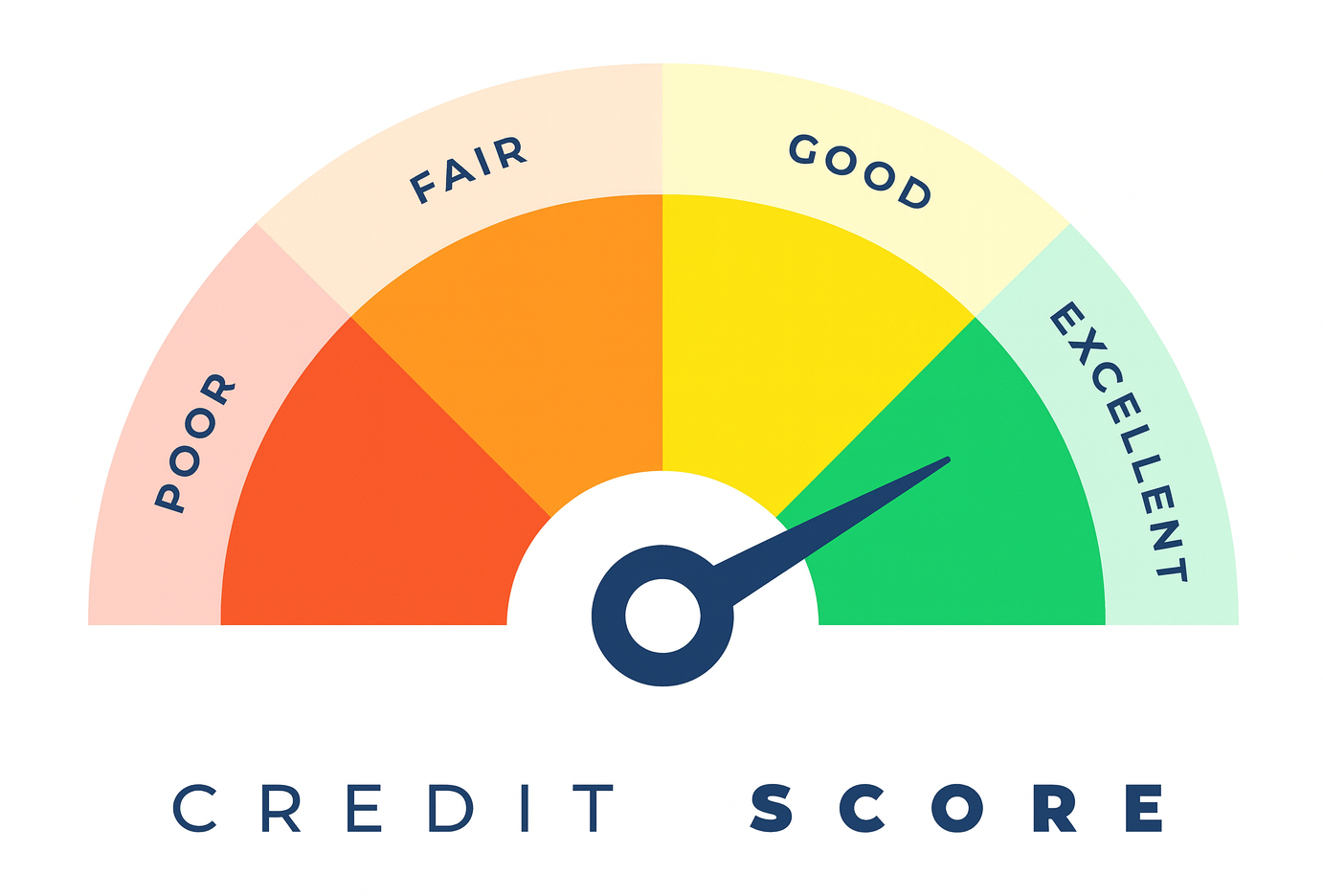
Instead of logging every receipt, watch two metrics: your current balance and your credit utilization rate on each card. A utilization ratio below about 30% on any one card generally keeps your score in a healthier zone; lower is better if you plan a loan application. Checking balances weekly and before big purchases helps you avoid accidentally pushing utilization higher. Short, regular checks replace overwhelming monthly reconciliations.
Keep a single, simple place for those numbers — a note on your phone or a section in your budgeting app. Update it quickly and glance at it before swiping a card.
Use Card Features to Your Advantage
Pay attention to due date flexibility, grace periods, and billing cycles so you can align purchases with cash flow. Many cards let you change your due date or split payments into installments; those options can be useful if used deliberately. Rewards and protections are real benefits, but they shouldn’t prompt spending you wouldn’t otherwise do. Treat benefits as nice extras, not reasons to spend beyond your plan.
Adjust features to match your habits: set autopay for the minimum and manually pay the rest, or move due dates to after payday. Small tweaks like those reduce friction and encourage steady on-time payments.
Keep Fraud and Overspending in Check
Sign up for real-time alerts so you see charges as they post and can flag anything unfamiliar immediately. Freeze or lock cards you use rarely and remove saved card data from sites you no longer visit. If you notice a trend of small impulse buys, impose a short waiting rule — wait 24 hours before making nonessential purchases over a set amount. Those simple barriers reset habits and slow impulsive spending.
Regularly reviewing statements and maintaining alerts makes fraud easier to catch and correct. When you combine prevention with quick action, problems stay small.
Conclusion
Small, repeatable routines are the best defense against late fees, surprise balances, and score drops. Focus on a few rules: scheduled payments, monitoring two key numbers, and using card features deliberately. Those habits keep credit cards useful and under control without adding complexity.