Small, deliberate adjustments to how you use credit can produce measurable score improvements over a few months. You do not need to open dozens of accounts or make dramatic financial moves to see gains. Focusing on timing, balances, and correcting simple errors often delivers the best return for minimal effort. This article highlights practical steps you can start this month and keep up long term.
Check Your Credit Report First
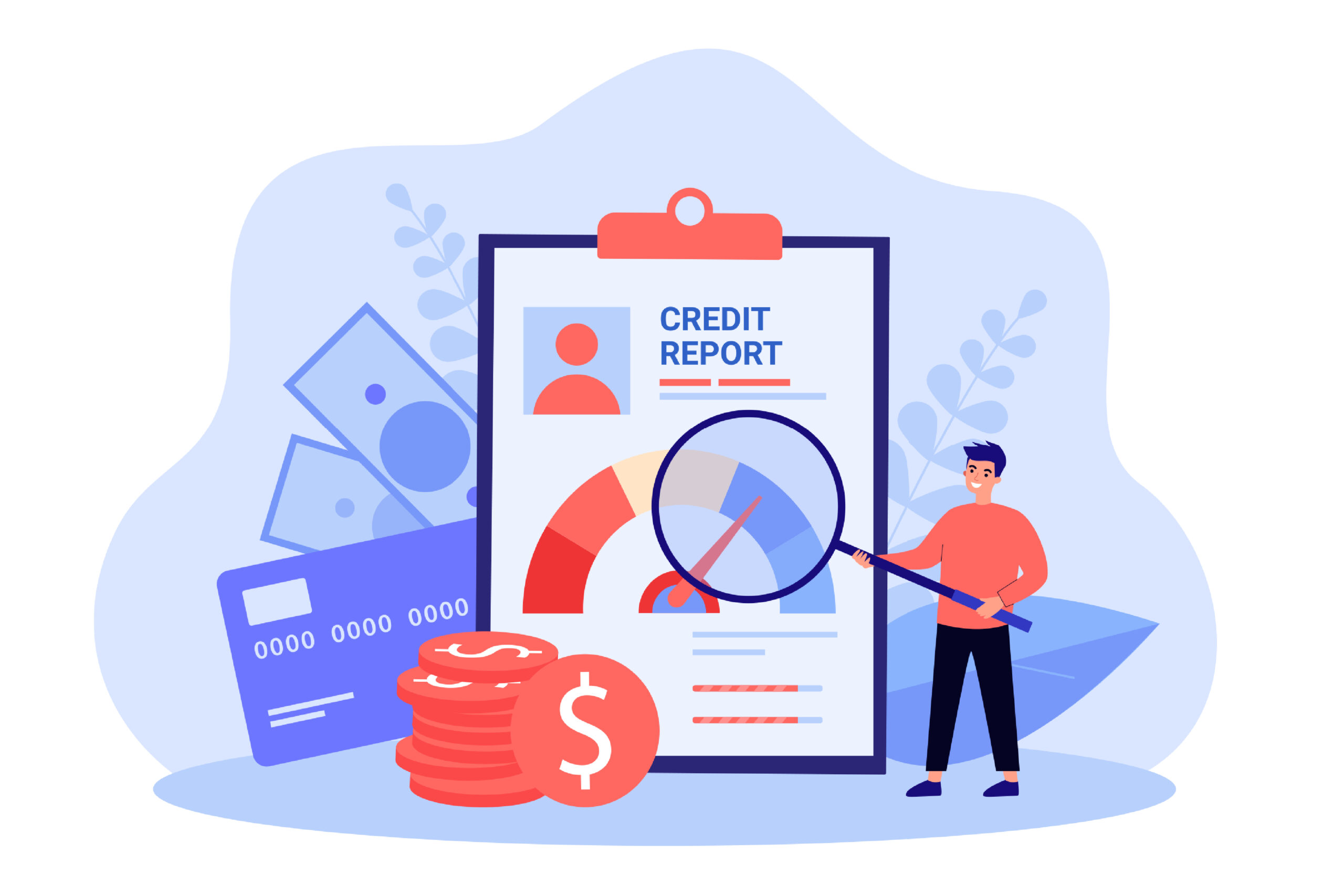
Begin with a careful review of each credit report to spot mistakes that drag your score down. Look for incorrect balances, accounts that aren’t yours, or erroneous late payment flags; these are fixable and sometimes remove significant negative weight. Disputing clear errors with the reporting agency and the lender is straightforward and can lead to rapid corrections. Make notes of dates and supporting documents to speed up the process.
- Request or download your reports from official sources.
- Compare account numbers, balances, and reported payment histories.
- File disputes for any clear inaccuracies and follow up in writing.
Checking reports once or twice a year keeps surprises at bay and preserves gains. Even a single corrected error can shift your score more than several months of optimal payments.
Lower Balances, Not Necessarily Zero
Utilization — the share of available credit you’re using — affects scores more than the absolute dollar amount you owe. Bringing high-utilization cards down under about 30% of their limit can yield quick improvements. If you can, move balances strategically: pay down one card to reduce utilization rather than spreading small payments across many. Avoid closing cards after paying them off, since that reduces available credit and can raise utilization.
Small, repeated payments during the month prevent large month-end balances from being reported. Setting reminders or automated transfers for mid-cycle payments is an easy habit with outsized benefits.
Add Low-Risk Accounts Carefully
Adding a new account can help by increasing available credit and diversifying account types, but choose wisely. A single new credit card or a credit-builder loan reported on time can boost your profile; avoid multiple hard inquiries in a short period. If you opt for a secured card, ensure the issuer reports to all three major bureaus so the benefit shows up where it counts.
- Prefer accounts with a single hard inquiry and predictable terms.
- Use secured or retail cards only if they report to the major bureaus.
Start with one low-risk addition and keep the account active with small, on-time payments. Over months, that responsible activity adds positive history without large expense.
Conclusion
Modest, consistent actions often move a credit score more reliably than dramatic changes. Prioritize fixing report errors, lowering utilization, and adding one responsible account if needed. These steps are simple to implement and compound into meaningful improvements over time.