Improving your credit with cards is less about tricks and more about consistent choices that fit your routine. Small adjustments to how you use, pay for, and monitor cards can produce meaningful results over months rather than days. This piece focuses on practical actions you can repeat each billing cycle to reduce utilization, avoid late payments, and protect your accounts. The goal is to provide a sustainable approach that supports steady, long-term score improvement without risky shortcuts.
These recommendations prioritize habits that are easy to maintain alongside work and family responsibilities. You will find both mindset shifts and concrete steps to implement immediately. Read through and adopt the ones that match your financial rhythm. Over time they compound into measurable credit improvements.
Understanding utilization and payment timing
Credit utilization and payment timing are two of the most influential, controllable elements that affect scoring models and lender reporting. Keeping balances low relative to limits, and scheduling payments before the statement closing date, reduces the balance that gets reported to bureaus and therefore lowers utilization. Making smaller, regular payments throughout the month can significantly lower the reported number and also decrease interest accrual on revolving balances. Thinking about when a card reports a balance is often more impactful than a single large payment right before the due date.
- Pay down balances mid-cycle to lower reported usage.
- Set alerts to remind you before closing and due dates.
Start by identifying each card’s statement closing date and plan a brief payment a few days earlier. This simple timing adjustment makes reported utilization more predictable and often improves score calculations.
Picking cards and structuring payments
Choosing one or two primary cards that align with your spending and payoff habits reduces complexity and makes monitoring easier, which indirectly supports better credit outcomes. A primary everyday card concentrates rewards and keeps most spending visible in one place, lowering the chance of unbalanced utilization across several accounts. Use autopay for the minimum to avoid late payments, then schedule additional payments when cash flow allows to lower balances that will be reported. Refrain from closing long-standing accounts unless fees or other issues outweigh the benefits, since account age and available credit both matter.
Organize payment dates around your income schedule to minimize balance spikes, and consider splitting large purchases across weeks if that reduces reported utilization. Over time this structure helps you maintain credit without constant micromanagement.
Monthly routine and monitoring
Create a concise monthly checklist that you can complete in five to ten minutes: review recent charges for accuracy, confirm each card’s statement closing dates, note reported balances, and verify that autopay settings are correct. Use free monitoring tools and alerts to detect unusual activity or errors early, and dispute inaccuracies promptly to prevent lingering negative impacts. Regular monitoring also highlights spending trends so you can adjust budgets or move recurring charges to a different card when needed.
- Review the last 30 days of spending and recurring subscriptions.
- Confirm each card’s statement closing and payment due dates.
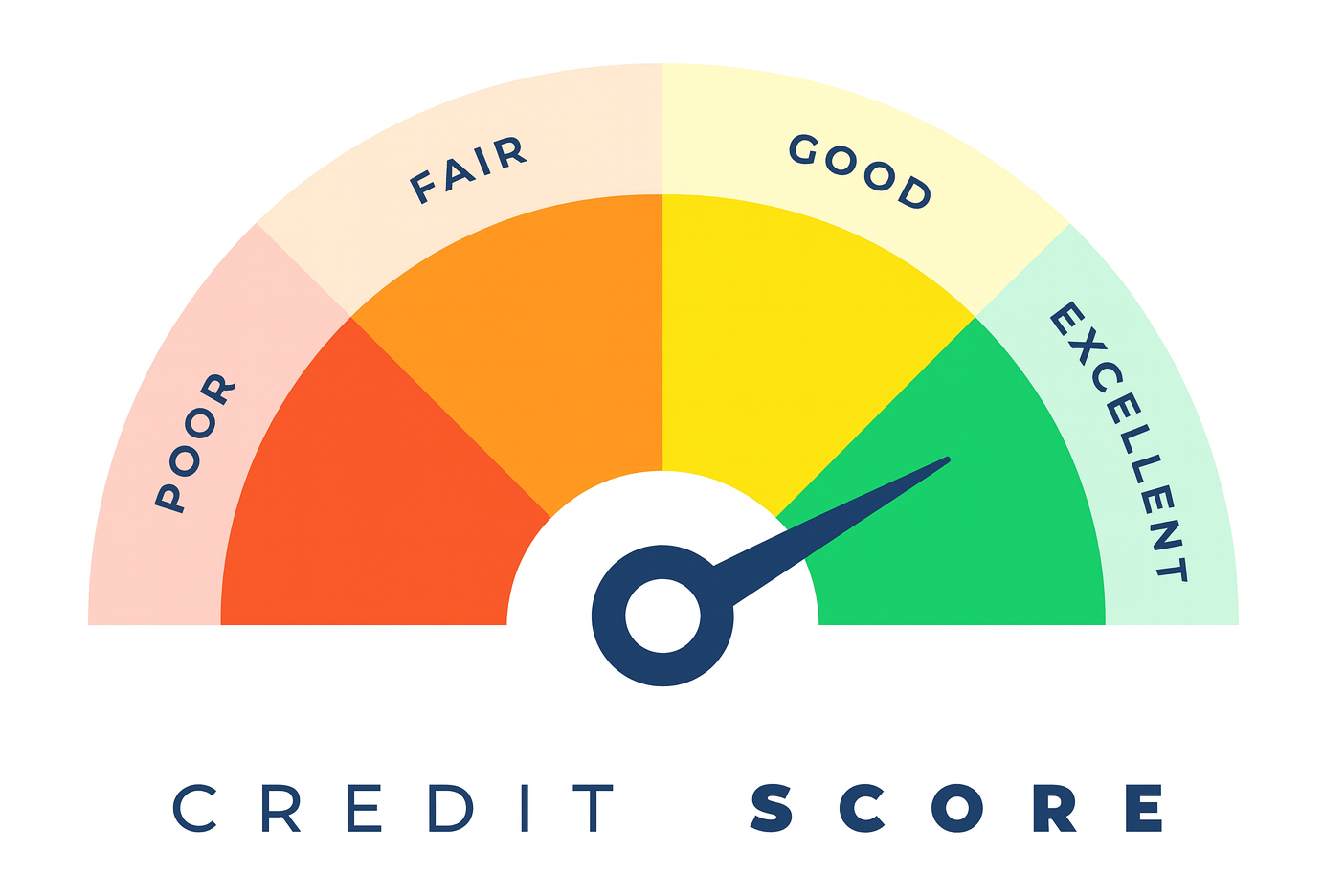
- Check a quick credit snapshot monthly for unexpected changes.
Keeping this routine lightweight makes it sustainable and reduces the likelihood of surprises that can harm your score. A small, steady effort prevents larger problems down the road and supports gradual improvement.
Conclusion
Small, repeatable changes to card behavior add up into measurable improvements over time. Prioritize lower utilization, timely payments, and a simple monthly routine you can maintain. These practices build credit resilience while keeping your finances stable and manageable.