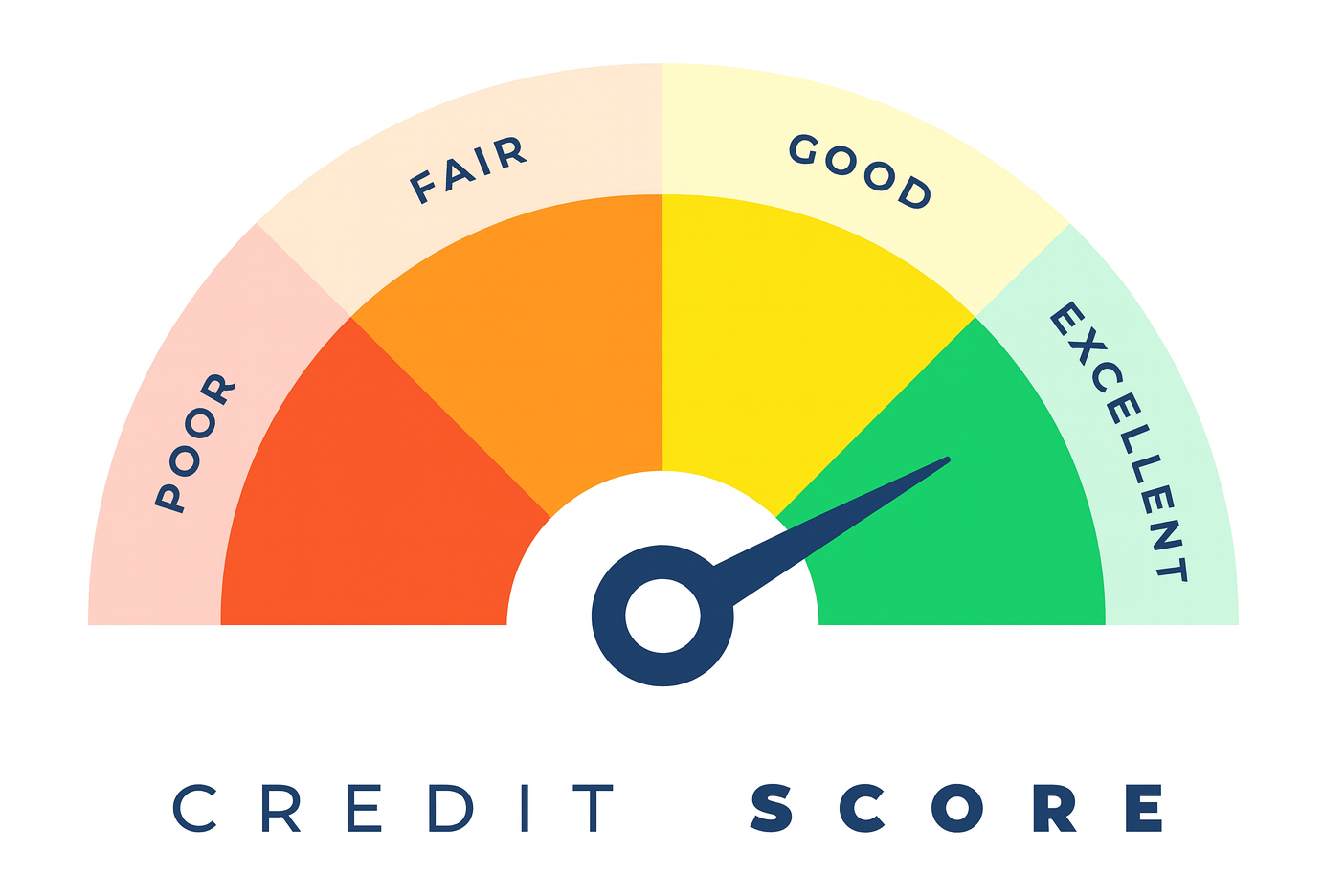
Credit cards are powerful financial tools when used with intention and discipline. They can offer rewards, build credit history, and provide convenience for everyday spending. Yet without a plan, interest and fees can quickly outweigh benefits and damage your financial standing. This article outlines practical approaches to maximize advantages while minimizing common pitfalls.
Understanding Reward Structures
Not all rewards are created equal, and understanding the terms behind points, cash back, and tiered categories is essential. Look beyond headline rates to annual fees, redemption limits, and expiration policies that can erode value. Consider whether reward categories align with your normal spending patterns rather than chasing high rates that require unusual purchases. With clarity on how rewards are earned and redeemed, you can choose cards that genuinely complement your budget.
Evaluate the real return on a card by calculating net benefits after fees and taxes. Small differences in redemption rates or bonus structures can matter over time. Aim to simplify your wallet to the few cards that provide the most consistent value.
Managing Interest and Fees
Interest charges are the primary reason cards become costly, so paying balances in full each month is the most effective strategy. If carrying a balance is unavoidable, prioritize cards with the lowest APR and consider balance transfers with promotional rates, while accounting for transfer fees. Be mindful of fees such as late payments, foreign transaction costs, and annual fees that can erode benefits quickly.
- Pay on time to avoid penalties and protect credit scores.
- Set up autopay or reminders for at least the minimum payment.
- Review statements monthly to catch errors or fraudulent charges early.
Reducing interest and fees preserves the value of any rewards and supports healthier long-term finances. Regularly reassess whether a card still fits your needs as fees and benefits change.
Strategies to Use Cards Responsibly
Adopt habits that support predictable credit outcomes, such as budgeting with category limits and tracking spending weekly. Use rewards strategically: concentrate spending on one or two cards to reach bonus thresholds, but do so only for planned, necessary purchases. Keep credit utilization low by spreading balances across accounts or paying mid-cycle to help reported utilization.
- Monitor credit reports annually to ensure accuracy.
- Use card alerts for large transactions or unusual activity.
Responsible use increases the long-term benefits of cards without sacrificing financial stability. Over time, these practices help build stronger credit profiles and more effective financial planning.
Conclusion
Thoughtful card choices and consistent habits turn credit cards into helpful financial tools. Focus on minimizing interest and fees while matching rewards to real spending. Small, steady practices lead to sustainable improvements in financial fitness.