Improving your credit score is a practical goal that pays off across many areas of life. Every step you take toward healthier credit can lower borrowing costs and expand financial options. This article explains how scores are built, effective actions you can take, and common mistakes to avoid. Use these strategies to develop steady, measurable improvement over time.
How credit scores are calculated
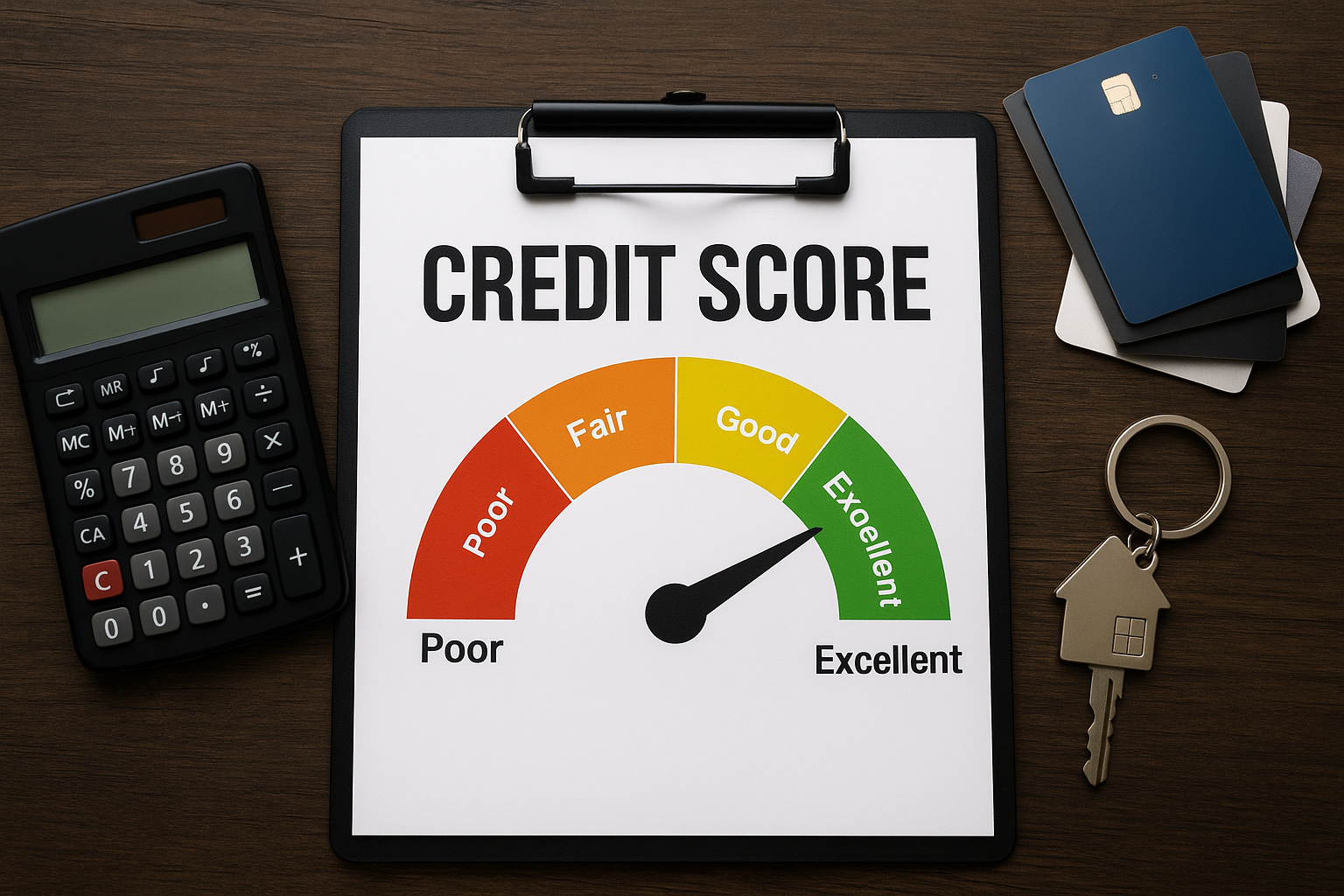
Credit scoring models weigh several core factors to produce a numerical result lenders use when assessing risk and pricing credit, including payment habits and outstanding balances. Payment history usually carries the most weight because late or missed payments are strong indicators of elevated risk, while amounts owed and utilization on revolving accounts reveal how much of your available credit you are using. The length of your credit history, recent credit inquiries, and the variety of account types also influence scores in meaningful but differing ways. Recognizing which factors matter most allows you to set priorities for where to focus effort and resources to see the fastest gains.
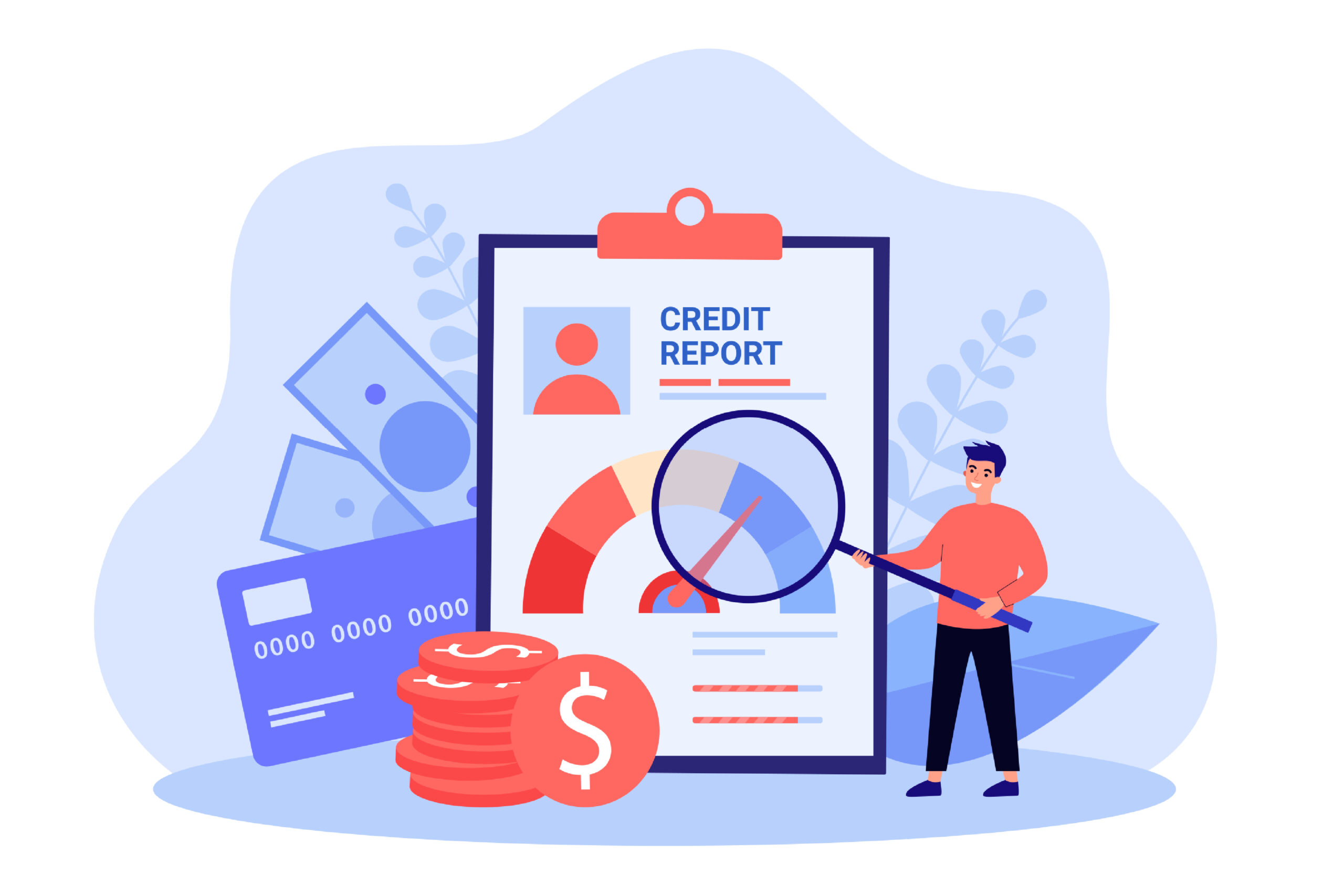
Start by reviewing your current score and the detailed entries on your credit report so you know what is affecting it. That visibility is a strong first step and helps you identify quick wins and longer-term priorities.
Practical steps to raise your score
Consistent habits produce the most reliable improvement: make on-time payments every billing cycle, keep balances well below limits, and avoid applying for new credit unnecessarily. If utilization is high, create a repayment plan that targets high-interest balances first or consider asking for a modest credit line increase only after improving payment consistency. Dispute inaccuracies on reports quickly and set monitoring alerts to detect potential identity issues before they cause damage. For people establishing credit, adding a small secured card or a reported installment account can build history when managed responsibly.
- Pay on time every month
- Keep utilization under recommended thresholds
- Review reports and dispute errors
These practical steps are straightforward to implement and compound over time, especially when combined with a clear timeline and regular progress checks. Small improvements in behavior are often enough to move scores into a better tier within a few months.
Common pitfalls and how to avoid them
Some behaviors derail progress quickly: missed payments, sustained high balances, and closing long-standing accounts can all reduce your score despite previous gains. Frequently applying for new credit leads to multiple hard inquiries that may lower your score temporarily and give the appearance of greater risk. Ignoring potential identity theft or reporting errors allows problems to persist and worsen, so proactive monitoring and fast dispute resolution are essential. Learning which actions have immediate impact versus those that require patience helps you avoid counterproductive choices.
- Avoid closing your oldest accounts without reason
- Monitor accounts regularly for signs of fraud or error
Avoiding these common traps and adjusting course promptly keeps progress steady and prevents setbacks. Regular review and modest course corrections help maintain momentum toward your credit goals.
Conclusion
Improving a credit score is a marathon, not a sprint. Focus on timely payments, reasonable usage of credit, and correcting errors when they appear. Over months, these measures build stronger access to credit and better financial options.