Credit cards are not meant to be static financial tools. As income, spending habits, and financial goals change, the card that once fit your lifestyle may no longer be the best option. Knowing when to upgrade or downgrade a credit card can help you maximize benefits, control costs, and maintain healthier long-term finances.
Understanding Credit Card Upgrades and Downgrades
Upgrading a credit card typically means moving to a version with higher rewards, additional perks, or premium benefits. Downgrading involves switching to a lower-tier card, often with fewer features but lower fees. Both options allow you to adjust your credit card to better match your current financial situation without closing the account entirely.
When an Upgrade Makes Sense
Upgrading is often beneficial when spending increases or financial needs become more complex. Higher-tier cards may offer better rewards rates, travel benefits, or enhanced purchase protections. If the value of these benefits outweighs the annual fee, an upgrade can improve overall value. Strong credit history and consistent on-time payments usually make upgrades easier to qualify for.
Situations Where Downgrading Is the Smarter Choice
Downgrading can be the right move when a card’s fees no longer justify its benefits. Changes such as reduced spending, less travel, or tighter budgets may make premium features unnecessary. Switching to a no-fee or low-fee option helps reduce costs while preserving credit history and account age, which can be beneficial for credit health.
How Credit Scores Are Affected
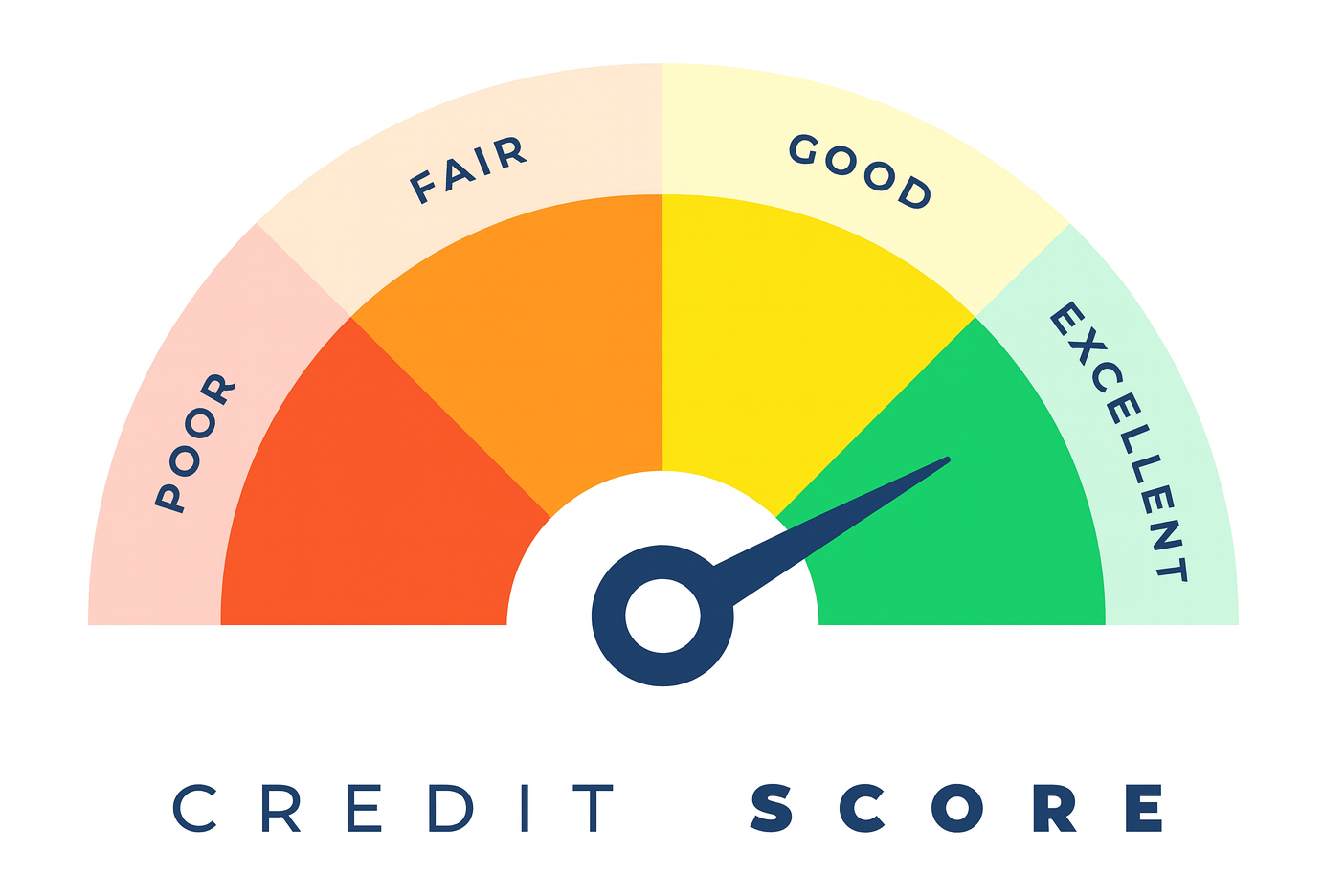
Upgrading or downgrading a card typically has minimal impact on credit scores if the account remains open. Since the credit line and payment history often stay intact, utilization and account age are preserved. However, changes in credit limits or usage patterns can influence scores over time. Monitoring usage helps avoid unintended effects.
Evaluating Timing and Long-Term Fit
Timing matters when making changes. Reviewing cards annually or after major life changes helps ensure alignment with goals. Comparing rewards, fees, and usage patterns provides clarity. The best choice supports both immediate needs and long-term financial stability rather than short-term perks.
Conclusion
Upgrading or downgrading a credit card is a strategic decision driven by changing financial needs. Understanding when and why to make a switch helps optimize benefits while controlling costs. Thoughtful adjustments keep credit cards working for you, not against you.