Credit card minimum payments are convenient, but they’re rarely the smartest move for your long-term finances. This guide explains when paying extra makes sense, how to choose an amount, and simple habits that reduce interest without stressing your cash flow. Read on for clear signals that it’s time to increase your monthly payment and practical steps to make that change sustainable. No jargon — just straightforward rules you can use on your next billing cycle.
How minimum payments really work
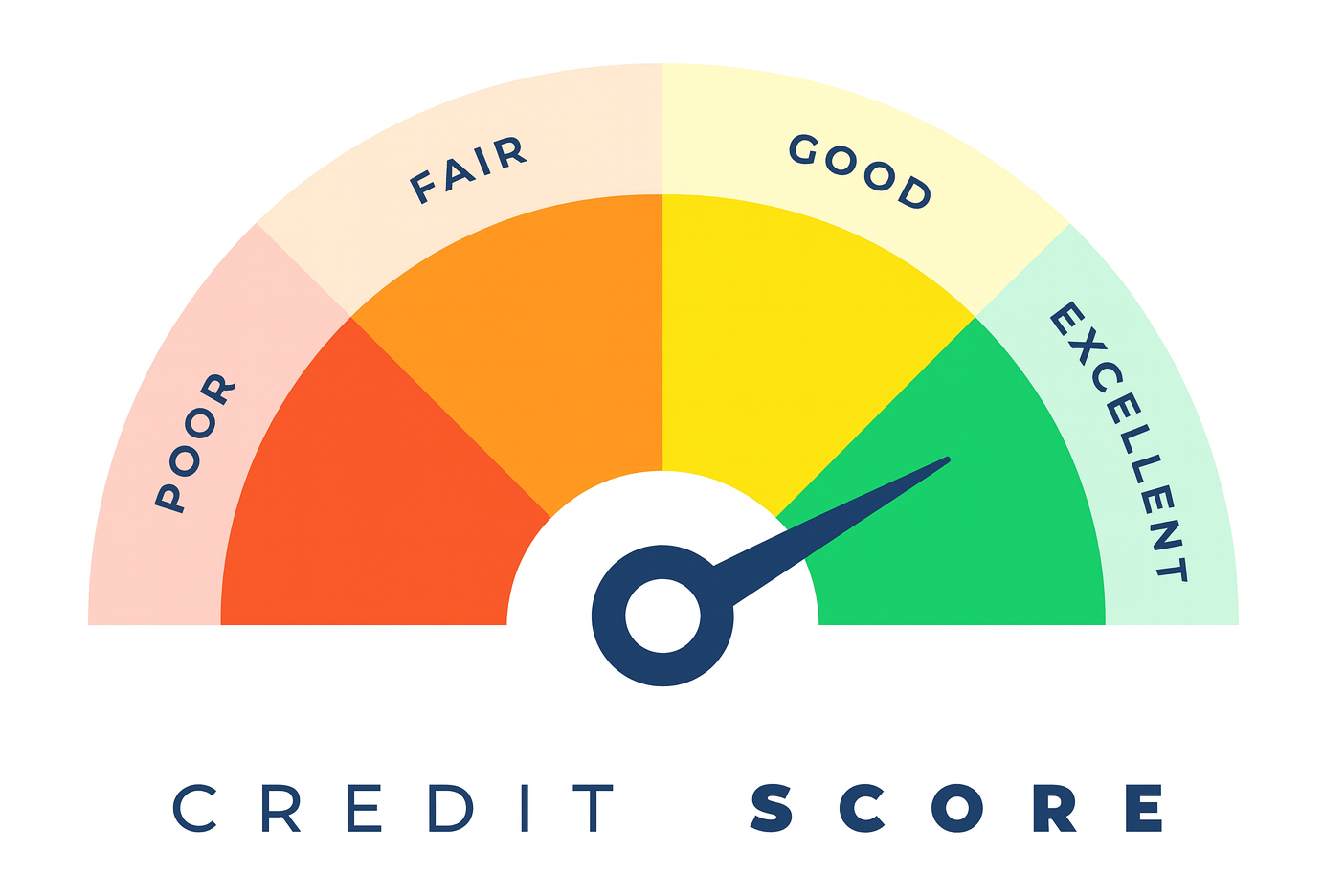
Minimums are typically a small percentage of your balance or a base dollar amount, and they keep your account in good standing while mostly covering interest. Because interest compounds, a low minimum can stretch repayment over years and dramatically increase the total cost. Carrying only minimums also keeps your credit utilization higher for longer, which can suppress your score. Treat the minimum as a safety net, not a repayment plan.
When you pay only the minimum, you’re trading short-term relief for long-term expense. That trade-off is fine occasionally, but it shouldn’t be your default behavior. Recognizing that difference is step one.
Clear situations when you should pay extra
There are a few practical scenarios that justify pushing past the minimum: when a balance has a high interest rate, after a one-off large purchase, if you want to improve credit utilization before applying for new credit, or when you have extra cash in a tight month and want to reduce future interest. Prioritize cards with the highest APR or those with no promotional rate that will start charging interest. Paying above the minimum in these moments saves money and simplifies future months.
- High APR balances: attack these first.
- Large recent purchases: pay down the spike.
- Upcoming loan or refinance: lower utilization.
Use these triggers as practical signals rather than rigid rules; they help you focus extra payments where they do the most good.
Choosing how much extra to pay
Start with a simple formula: add a fixed extra amount you can sustain each month, or commit a percentage of your paycheck to credit repayment. If you have multiple cards, pay the minimum on all, then direct extra toward the highest-rate account until it’s down to a manageable level. Small increases—an extra $25 or $50—reduce interest and are easier to keep up with than dramatic spikes. Reassess every few months and adjust as balances fall and goals change.
Don’t overcommit. The best extra payment is one you can maintain without dipping into emergency savings or creating new debt. Consistency beats intensity.
Practical steps to make extra payments painless
Automate whenever possible: schedule a recurring payment larger than the minimum on each due date so you avoid forgetting and late fees. Use spare-change or round-up features in your bank app for occasional boosts, and consider applying windfalls—tax refunds, bonuses—directly to high-interest cards. Track progress with a simple spreadsheet or app so you see how interest and balances shrink; visible wins make it easier to keep going. Communication with partners about payment plans and priorities also reduces friction.
Small systems reduce stress and make extra payments a habit instead of a chore. Over time those habits translate to lower interest and stronger credit.
Conclusion
Paying more than the minimum is usually worth the short-term effort when it targets high interest or reduces utilization before a major financial move. Choose an extra amount you can sustain, automate payments, and direct windfalls to debt reduction. Those modest changes cut interest, shorten payoff time, and give you more financial flexibility.