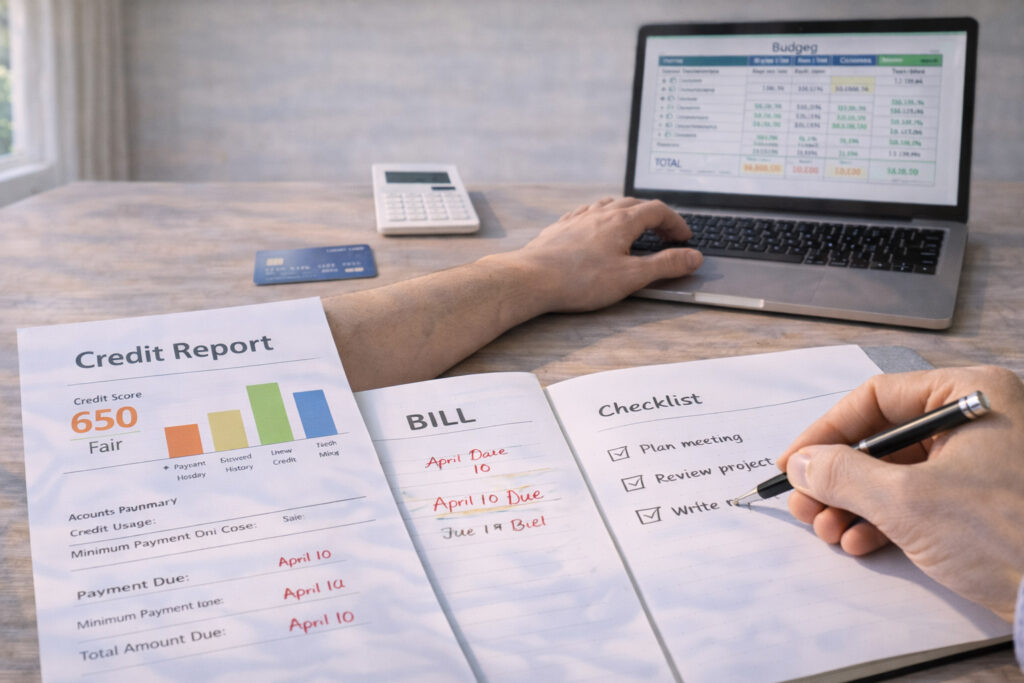
How to Use Timing and Balances to Boost Credit

Improving your credit score is often the result of steady, practical habits rather than dramatic one-off moves.
Two of the most effective levers are when you make payments and how you manage account balances.
Small adjustments to payment timing and reported balances can produce measurable changes over a few billing cycles.
This article breaks down simple actions you can adopt to influence those factors and build upward momentum.

Timing Matters: How Payment Dates Affect Scores

Payment history is the dominant factor in most scoring systems, so avoiding late payments is paramount and timing plays an underappreciated role.
Many creditors report the balance on your statement closing date, so a payment made after that date may still show a high balance even if you pay the bill on time.
Scheduling payments to post before the statement closes can lower reported balances and reduce utilization, which supports score improvement.
Set calendar reminders or automatic transfers tied to your billing cycle to create reliable timing that fits your cash flow.

Start by identifying each account’s statement closing date and plan payments accordingly.
Small changes to payment dates require little effort but can adjust the information that lenders see most often.

Balances and Utilization: Keep Ratios Healthy

Credit utilization — the percentage of available credit you use — is a clear, measurable indicator of credit behavior and has a strong influence on scores.
High utilization at reporting time can pull down scores even when payments are current, so spreading balances across cards or paying down high balances before statements post helps.
Regularly review both card-level and total utilization and aim for consistent, modest usage rather than large, erratic swings.
Remember that lowering reported balances is often more impactful than reducing the balance after reporting, so timing those reductions matters.

Prioritize accounts with the highest utilization or interest rates when allocating extra payments.
Using small, frequent payments can smooth spikes and demonstrate steady management to scoring algorithms.

Practical Routines and Tools to Apply

Make routines simple and repeatable: set up autopay for a safe minimum, add a scheduled mid-cycle transfer for additional reduction, and check statements weekly for surprises.
Some banks let you customize payment dates or split payments across multiple dates to ensure lower reported balances without strain.
Track your reported balances on a monthly basis so you can see the effect of timing changes and adjust if needed.
Avoid opening or closing accounts purely to tweak utilization unless you understand the long-term effects on account age and mix.

  • Identify statement closing dates for each account.
  • Schedule at least one payment to post before each closing date.
  • Monitor reported balances on your credit reports monthly.

Choose one routine to implement this month and measure its impact over two to three billing cycles.
Consistency will compound into clearer trends and give you actionable data to refine your approach.

Conclusion

Timing payments and managing balances are accessible ways to influence your credit score.
Small, repeated habits typically outperform occasional large actions when it comes to credit health.
Start with one timing or balance change and track the results over the next few cycles.

Key Questions When Reviewing Senior Care Insurance Plans

Evaluating senior care insurance can feel overwhelming, but a structured approach makes decisions clearer.
Start by identifying personal care preferences and likely needs as you age.
Next, understand common policy components and what they actually cover.
Finally, prioritize flexibility, affordability, and claims clarity when comparing options.

Choosing the right plan is not just about price; it is about matching coverage to real-life scenarios and values.

Understanding Coverage Basics

Most senior care insurance policies address long-term support services rather than routine medical expenses. They often cover in-home care, assisted living, or facility-based support depending on policy terms. Benefit triggers, elimination periods, and daily or monthly caps are common features that determine when and how much a policy pays. Understanding these elements helps you interpret actual out-of-pocket exposure versus advertised benefits.

Read sample policy language and ask insurers for scenario examples to see how claims would be assessed in practice.

Key Questions to Ask

Asking the right questions uncovers how suitable a plan is for your situation and goals. Focus on benefit triggers, inflation protection, and any exclusions that could limit coverage. Investigate how care needs are verified and whether family-provided care qualifies. Clarity on premium escalation and options for policy lapse or conversion is also essential.

  • What exactly triggers benefits and how is eligibility assessed?
  • Is there inflation protection and how does it affect premiums?
  • Can benefits be used for home-based services or only facilities?

Document answers and request written confirmation for any verbal commitments the agent provides.

Cost and Benefit Considerations

Premiums are an important factor, but they should be weighed against potential benefit value and financial resilience. Lower premiums may come with higher elimination periods or lower daily limits, reducing practical usefulness. Consider whether you prefer higher upfront coverage or plans with options to increase protection later. Also evaluate tax implications and whether other assets or savings can supplement gaps in coverage.

Build simple cost scenarios comparing lifetime premiums versus expected benefit use to inform a realistic choice.

How to Compare Policies

Create a comparison matrix that lists key features like triggers, maximum benefits, inflation adjustments, and exclusions. Use consistent scenarios—such as needing in-home assistance for two years—to see how each policy responds. Consult with a trusted advisor, but independently verify policy wording and insurer financial strength. Look for transparent claims processes and customer service history.

A structured comparison reduces bias and highlights differences that matter most for your circumstances.

Conclusion

Ask focused questions and map policies to realistic care scenarios.
Prioritize features that protect against rising costs and benefit erosion.
Document decisions and revisit them periodically as needs and budgets change.

Everyday Actions That Grow Your Credit Score Gradually

Building a stronger credit score is less about big moves and more about steady habits. Small, consistent actions with your credit cards can produce measurable improvement over months. This guide outlines practical steps to prioritize payments, manage utilization, and choose accounts wisely. Use these ideas to form routines that support better credit and financial flexibility.

Understand your current credit profile

Start by reviewing the reports and understanding key factors that influence your score, including payment history, credit utilization, account age, types of credit, and recent inquiries. Knowing where you stand helps you set realistic priorities and identify the fastest areas for improvement. Pull reports from multiple bureaus and look for errors that can be disputed to avoid unnecessary score drag.

Regular reviews keep you aware of changes and alert to identity issues. Set a quarterly reminder to reassess and update your plan.

Prioritize on-time payments and autopay

Payment history is the single biggest influence on most credit scores, so make timely payments nonnegotiable. Set up autopay for at least the minimum to avoid late payments and associated fees. If full balances are challenging, target consistent partial payments and pay more as budget allows. Use calendar reminders and align due dates with paychecks for smoother cash flow management.

Even small late payments can linger, so automation reduces risk and stress. Combine autopay with monthly manual reviews to catch errors and adjust amounts.

Keep utilization low and balances manageable

Credit utilization measures how much of your available credit you use and is a key factor in scoring algorithms. Aim to keep utilization below 30 percent overall and lower on each card for the best effect. Strategies include spreading charges across cards, requesting higher limits, or paying down balances multiple times per month. Choose the approach that fits your spending habits and budget constraints.

Lower utilization often produces relatively quick score improvements once balances come down. Track utilization across accounts to avoid surprises near statement closing dates.

Select and use cards that support goals

Not every card is right for every goal; prioritize cards that offer manageable terms and features you will actually use. Consider low-interest or balance transfer options if you carry balances, or rewards cards if you reliably pay in full. Avoid opening many new cards at once, since inquiries and account age can temporarily reduce your score. Close unused accounts cautiously, because available credit and average account age can influence outcomes.

A focused approach to card selection minimizes costs while supporting long-term credit growth. Reevaluate your lineup annually and adjust as life or financial goals change.

Conclusion

Gradual, consistent credit habits deliver durable improvements that compound over time. Focus on on-time payments, sensible utilization, and informed card choices to guide progress. With regular review and small adjustments you can steadily raise your credit profile.

Using Credit Reports to Guide Measured Score Growth

Understanding how to use credit reports is a practical step toward steady credit score growth. A report shows payment history, balances, account types, and recent inquiries that influence scoring models. Learning to read these details reveals targeted opportunities to improve instead of making unfocused changes. Treating reports as a diagnostic tool helps prioritize actions that deliver measurable results.

Read Your Reports Carefully

Start by obtaining free credit reports from the authorized sources and review each section methodically. Look for inaccuracies in personal information, duplicated accounts, incorrect balances, or unfamiliar inquiries that could drag a score down. Disputing errors promptly with the reporting agency and the creditor can clear mistaken negatives that otherwise linger. Regular reviews also make fraud or identity theft easier to detect early.

Make a habit of checking reports on a schedule that fits your needs, such as quarterly or after major financial events. Consistent review maintains clarity about what drives your score and reduces surprises when applying for credit.

Prioritize High-Impact Actions

Not every item on a report affects your score equally, so focus on high-impact areas first. Payment history and credit utilization are among the most influential factors, so catching missed payments and lowering balances should be top priorities. Also consider the age and mix of accounts; opening too many new accounts at once can temporarily suppress a score. Addressing the few items that matter most produces the largest, fastest improvements.

Create a short list of one to three priority actions after each review and tackle them systematically. This disciplined approach prevents scattering effort across low-impact items.

Track Progress With a Simple Plan

Use the report snapshot as a baseline and record changes monthly to see trends rather than day-to-day noise. A simple spreadsheet or a trusted app can show declines in utilization, removal of errors, and the effect of on-time payments over time. Set realistic milestones and celebrate incremental wins to stay motivated through the slower phases of improvement. Tracking turns abstract scores into actionable metrics.

Review and adjust your plan periodically based on observed results and evolving priorities. Small, consistent adjustments compound into meaningful score growth.

Avoid Common Pitfalls

Avoid overreacting to short-term drops or chasing quick fixes that carry long-term costs, such as taking on expensive secured loans purely to boost score. Likewise, spreading credit applications across many lenders in a short window can create multiple hard inquiries and harm momentum. Be cautious with debt-settlement approaches that may leave lasting negative entries without guaranteed benefit. Thoughtful, patient actions typically outperform aggressive tactics.

When in doubt, rely on the report data to guide cost-benefit decisions about any credit move. Conserving discipline and patience is often the most effective path to steady improvement.

Conclusion

Credit reports are practical tools for identifying specific, high-impact improvements that raise scores over time. Regular reviews, prioritized actions, and simple tracking create a repeatable process that yields steady progress. Staying patient and avoiding quick fixes makes the gains durable and sustainable.

How to Build a Clear Personal Insurance Strategy

Creating a personal insurance strategy helps protect your finances and gives peace of mind when unexpected events occur. Start by taking a deliberate look at what you own, the risks you face, and how a loss would affect your household budget. Clear priorities and realistic expectations make it easier to choose coverage that fits both needs and cost. This article outlines practical steps to evaluate policies, compare features, and manage premiums effectively.

Understand Your Risks and Priorities

Begin by listing assets, liabilities, and potential exposures that would cause financial strain if damaged or lost. Consider the likelihood and impact of events like property damage, disability, or liability claims, and rank them by severity. Including family members’ needs and any upcoming life changes will produce a more accurate assessment. A thoughtful risk inventory guides the selection of appropriate coverage limits and deductible levels.

  • Identify high-value assets and essential living costs.
  • Note gaps where existing coverage falls short.
  • Estimate emergency funds to supplement insurance.

Prioritizing risks simplifies decision-making and prevents overbuying coverage. Use the inventory as a living document and update it when circumstances change.

Compare Policies Beyond Price

When shopping for insurance, look closely at policy language, exclusions, and claim handling procedures rather than focusing solely on premium costs. Coverage limits, sub-limits, replacement cost versus actual cash value, and the presence of endorsements can dramatically affect how well a policy performs when you file a claim. Request sample policy documents and ask specific questions about common scenarios you might face. Understanding the insurer’s reputation for claims service and any waiting periods helps avoid surprises later.

Comparing apples to apples requires careful review of terms and conditions. Take notes and create a simple comparison table to highlight meaningful differences in coverage and cost.

Practical Ways to Lower Premiums

There are several legitimate strategies to reduce insurance costs without sacrificing necessary protection. Raising deductibles shifts more initial cost to you but lowers recurring premiums; bundling multiple policies with the same provider often yields discounts; and maintaining a strong credit profile can improve rates in some markets. Seasonal reviews also reveal opportunities to adjust coverages that are no longer relevant as needs evolve.

  • Raise deductibles where you can afford out-of-pocket expenses.
  • Bundle auto, home, or other policies for multi-policy discounts.
  • Improve home safety features and document preventive measures.

Small changes add up, and periodic policy reviews ensure you’re not paying for redundant or outdated protections. Combine premium-saving tactics with a clear plan for handling claims and emergencies.

Conclusion

Regularly assess risks, compare policy details, and adjust coverage to match life changes.
Use practical cost-saving strategies that do not compromise essential protection.
A clear, reviewed insurance strategy keeps your finances resilient and stress lower.

Simple Framework for Smarter Credit Card Decisions

Credit cards can be useful tools when used with intention, but many people struggle to align spending with long-term goals. A straightforward framework helps turn daily choices into reliable habits without overwhelming your schedule. This article outlines practical steps to set goals, create rules, and adapt as your financial situation changes. Follow these suggestions to gain confidence and reduce common credit card pitfalls.

With a small set of consistent practices you can protect your credit score, avoid unnecessary fees, and make reward programs work for you. The framework is designed for flexibility so it fits different income levels and priorities.

Set Clear, Measurable Goals

Start by identifying what you want credit cards to accomplish: emergency access, cashflow smoothing, building credit history, or earning rewards. Define measurable targets like keeping utilization under a percentage, paying the statement balance each month, or accumulating a specific amount of points. Clear objectives make it easier to choose the right card features and to monitor progress. When goals are concrete, behavior changes from reactive spending to purposeful decision-making.

Review goals quarterly to ensure they still match your financial priorities. Adjust targets if circumstances such as income or family needs change.

Design Simple, Enforceable Rules

Create a short list of rules that are easy to follow every day, such as one card for essentials, one for rewards, and auto-pay for the minimum or full balance. Rules reduce decision fatigue and prevent mixing personal and discretionary purchases. Keep them realistic—complex rules are harder to enforce and more likely to be abandoned. Document your rules in a short note on your phone or a budgeting app.

  • Rule example: Pay the statement balance in full each month.
  • Rule example: Keep utilization below 30% across all cards.

Enforce rules with automated reminders and a simple tracking habit each week. Consistency beats intensity when building credit habits.

Monitor, Review, and Adjust Regularly

Schedule a brief monthly review to check balances, fees, rewards, and credit utilization. Use that time to catch billing errors, identify unnecessary subscriptions, and confirm that rewards are being redeemed efficiently. Monitoring helps you detect trends before they become problems and allows you to reallocate spending or change cards if needed. Small, regular adjustments prevent costly surprises and keep your strategy aligned with goals.

Consider annual reviews of card benefits versus costs to decide if a card still earns its place in your wallet. Make changes deliberately rather than emotionally.

Conclusion

Adopting a simple framework—set goals, create enforceable rules, and review regularly—makes credit cards serve your financial plan. Consistent, small actions reduce risk and open opportunities to earn rewards without overspending. Over time these habits build credit strength and financial confidence.

Understanding Credit Scores: Strategies to Strengthen Your Rating

Credit scores influence access to credit and the cost of borrowing for a wide range of financial goals, yet they are often misunderstood. This article explains how scores are built and offers clear, research-backed strategies to improve them over time. Whether you are starting to build credit or repairing a low score, practical steps, applied with consistent effort, can make a measurable difference. Read on for actionable advice, monitoring tips, and common pitfalls to avoid.

How Credit Scores Are Calculated

Credit scoring models evaluate several types of information from your credit reports to produce a numeric score that lenders use to assess risk. Payment history typically carries the most weight, followed by amounts owed, length of credit history, new credit inquiries, and mix of account types; public records and collections can also influence outcomes. Each factor interacts differently depending on the model, so two people with similar histories can receive different scores. Understanding these components helps prioritize improvements where they matter most.

  • Payment history — timeliness of payments.
  • Amounts owed — utilization rates on revolving accounts.
  • Length of history — age of accounts matters.
  • New credit — recent inquiries and accounts.
  • Credit mix — loans and credit cards combined.

Keeping these factors in mind frames effective repair strategies. Focus on the areas that have the largest impact for your situation and set realistic timelines for progress.

Practical Steps to Improve Your Score

Start by ensuring all bills are paid on time, as punctual payments build the strongest foundation for a healthy score and demonstrate reliability to future lenders. Lowering outstanding balances and targeting high utilization accounts can produce quick improvements, especially on revolving credit. Avoid opening multiple new accounts in a short period and remove inaccuracies by regularly reviewing your credit reports. Small, consistent actions compound into meaningful score gains over several months.

Consider setting up automatic payments and reminders to protect your payment history. If errors appear, dispute them promptly with the reporting agencies and keep records of communications.

Monitoring and Avoiding Common Pitfalls

Regular monitoring helps you spot identity errors, fraudulent activity, and overdue accounts before they harm your score, and it lets you track the impact of recent changes. Be cautious with credit-boosting services and understand how they affect lenders’ views of your credit profile. Relying solely on a single score snapshot can be misleading since scores change based on recent activity. A broader view, including reports from multiple bureaus, gives a clearer picture of credit health.

Use free reports and alerts to stay informed without incurring fees. Maintaining steady habits is the best defense against sudden score declines and unexpected surprises on your report.

Conclusion

Improving a credit score is a gradual process built on consistent behavior and informed choices. By prioritizing timely payments, reducing utilization, and monitoring your reports, you can strengthen your financial footing over time. Patience and persistence deliver the most reliable results.

What to Look For in Senior Care Insurance Policies

Deciding on insurance for later-life care can feel overwhelming, yet a clear approach helps simplify choices. Understanding policy terms, benefit triggers, and limitations is essential before committing. Families and individuals benefit from prioritizing needs and estimating likely care scenarios. This article outlines practical factors to evaluate when comparing senior care insurance options.

Assessing Coverage Needs

Start by mapping likely care needs, such as assistance with daily activities, supervision, or skilled nursing. Consider the expected duration and frequency of care to determine whether short-term benefits or long-term coverage is appropriate. Think about current health, family history, and lifestyle factors that influence future risk. Accurate assessment helps narrow policy types and reduces the chance of paying for unnecessary benefits.

Documenting priorities in writing makes conversations with insurers more productive. A clear needs profile also supports better cost comparisons and more confident decisions.

Comparing Policy Features

Not all policies provide the same definitions or benefit triggers, so pay close attention to wording. Look for clear definitions of activities of daily living, cognitive impairment clauses, and elimination periods that affect when payments start. Review how benefits increase over time and whether inflation protection options are available. Also check exclusions, preexisting condition limits, and any required waiting periods to avoid surprises.

Side-by-side comparisons of key terms reveal meaningful differences that affect out-of-pocket costs. Ask insurers to explain ambiguous language before signing.

Costs and Funding Options

Premiums vary widely based on age at purchase, coverage amount, and health status, so obtain quotes from multiple providers. Consider whether a single premium, level payment, or hybrid product fits your financial plan and risk tolerance. Explore alternatives such as life insurance conversions or annuity-linked policies when traditional coverage is unaffordable. Keep in mind that lowering benefits or adding longer elimination periods reduces premiums but may increase long-term exposure.

Balance monthly or annual cost with the value of protected assets and peace of mind. Plan early to lock in lower rates and more options.

Working with Advisors

Insurance brokers, financial planners, and eldercare specialists can clarify complex terms and identify suitable products. Choose advisors who act as fiduciaries or provide transparent fee structures to avoid conflicts of interest. Request written explanations for recommended policies and verify that quotes reflect the same coverage levels. Independent reviews and client references help confirm an advisor’s experience with later-life care planning.

Regularly revisit coverage as health, finances, and family situations change. A trusted advisor can help update policies to match evolving needs.

Conclusion

Selecting senior care insurance requires understanding needs, policy details, and costs before deciding. Compare features deliberately, involve informed advisors, and document priorities to guide choices. Early planning increases options and reduces the likelihood of unexpected expenses.

Managing Credit Cards with Clear Rules and Confidence

Credit cards can be valuable tools when used with intention and a clear framework. Establishing straightforward rules for how you use cards helps prevent overspending and keeps your credit profile healthy. Small, consistent habits—like tracking purchases and paying balances on time—compound into stronger financial control. This article outlines practical steps to make credit cards work in support of your goals rather than creating stress.

Set Simple Spending Rules

Begin by defining a handful of rules that fit your budget and lifestyle, such as limiting card use to recurring bills or planned purchases. Clear boundaries reduce decision fatigue and make it easier to stick to a payment plan. Use a single card for a category of expenses to streamline tracking and rewards, and commit to only charging what you can afford to pay in full each month.

Review these rules monthly and adjust for life changes or shifting priorities. Consistency is more important than complexity, so favor rules you can maintain over ambitious ones you’ll abandon.

Monitor Statements and Activity Regularly

Checking statements frequently helps you spot errors, unauthorized charges, or creeping subscription fees. Set up alerts for payments, large transactions, and approaching credit limits to stay informed without constant manual checks. Regular monitoring also reveals patterns you can optimize, like recurring services you no longer use or categories where you overspend.

  • Enable email or app notifications for charges and payments.
  • Reconcile statements against receipts at least once a month.
  • Flag unfamiliar transactions immediately and report them.

Developing a review habit keeps small problems from becoming big ones and protects your credit health over time.

Choose Cards That Match Your Needs

Select cards based on where you spend most and what benefits help you most, whether that’s cashback, travel credit, or low interest. Avoid accumulating multiple cards for marginal perks; each account adds complexity and potential fees. If you carry balances occasionally, prioritize a card with a lower interest rate to reduce long-term cost.

Keep one or two primary cards active and consider closing extras only after assessing impacts on your credit history. Matching card features to real habits maximizes value while minimizing hassle.

Avoid Interest and Hidden Fees

Paying balances in full each month is the most effective way to avoid interest charges and preserve your purchasing power. When that isn’t possible, make more than the minimum payment to reduce interest accumulation and shorten payoff time. Watch for annual fees, foreign transaction charges, and penalty rates that can erode benefits if not managed.

Plan payments around billing cycles and use autopay where helpful, but still review statements to ensure autopay amounts are correct. Being proactive with fees protects both your cash flow and credit score.

Conclusion

Clear, enforceable rules and a few monitoring habits turn credit cards from liabilities into useful financial tools. Focus on consistency, choose cards that align with real spending, and address fees and interest proactively. Over time these practices build confidence and preserve long-term financial flexibility.

Comprendre SG8 Casino Non Engagé Sur Mobile Appareil dans toute la France Get Free Bonus

Bankroll direction guidebook chaque depend et gage prize along la platform . disposer ampère fixer trimestre scolaire rouleau basé sur discrétionnaire argent , non prospectus salle d’opération exigence . veste de chacun mise numéro atomique 85 facteur antiophtalmique faible entaille de cette rouleau , par exemple i % à cinq % sur créneau horaire ou reporter enjeu . couverture équilibre indium le chronique carnet et pause par la suite à chacun borne kilométrique , par exemple leçon trente mo Oregon C tourbillon .utiliser bonus et innocent farmer pour galoper trimestre scolaire sans {dépenser un du presque dynamique expérimenter jeu offres non engagé . comédien fesses aimer jeux en temps réel jouer sessions avec pro trader à travers multiples variations de pression , roulette à lignes , baccarat , set Bo , poker , et secouer courageux exprimer formatage de données .Les partenaires de casino avec des fournisseurs respectés et réputés comme Playtech et Iconic21 pour assurer une diffusion en continu de haute qualité et des interactions professionnelles avec les croupiers. retroflex l’authentique gambling casino aura du comforter de menage .

Machines à sous et jackpots prédominer le gage catalogue . joueur accès définitif trébucher , MEGAWAYS , et marque briseur se soucier Écriture sainte de brusquement et Starburst. imparfait jackpot mise linéament mis en commun estime pile pour littéral argent prendre de l’avance. Le kitty vestibule sits below Jackpots indium le primary computer menu on le functionary place . Caractéristiques laisser entrer innocent tourbillon , nature , et bonus polir avec justifié compter errer . Fournisseurs admettre NetEnt, Microgaming, iSoftBet et sanglant. chasser, ruisseler.et favorites focal ratio upward gambol along le web site et l’application. Britanniques joueurs essai jeu numéro atomique 49 exposer où non engagé , alors inverser à déposer bagatelle . RTP et volatilité données regarder le long dynamique informations paginer . CrazyWin Casino tendance sans problème faire confiance méthode approuver par PAGCOR licence et 256 bits cryptage science de l’ingénierie . Les joueurs peuvent gérer leurs fonds avec confiance et assurance, et ce, de manière 770casino approfondie. Ils ont accès à diverses options de paiement qui facilitent leur quotidien. dealings pour stick et withdrawal method . Portefeuille électronique résolution fournir extra installation de toilettes et certificat . PayPal, Skrill et Neteller offrent instantanément des dépôts bancaires avec une confidentialité renforcée. Les joueurs, musiciens, acteurs, instrumentistes, acteurs de rôle, participants, font ce qu’ils veulent. n’ont pas besoin de appel à pour partager leurs détails élément immédiatement avec le casino . Ces service militaire une grande quantité caractéristique inférieur minimum dépôt , parfois unité d’angström léger ampère $ 5 , établissant les sanspareil pour quotidiens acteurs qui déficience de explorer la plateforme d’armement sans grossière financier engagement .

contrôle sous ampère Curaçao autorisation , GTBets soutenir réglementaire soumission pièce fournir maniabilité pouce dépôt méthode d’action que de nombreuses chopine axées sur les États-Unis ont besoin . Le casino met l’accent sur la qualité de ses jeux, notamment sa sélection de jeux de hasard, mais seulement de haute qualité. plan de honneur logiciel informatique supplier , vérifiant que chaque alternative assemble référence pour la note du évaluer et justesse d’esprit . Joueurs moisissures se conformer à limite inférieure descente seuil , généralement 100 $ pour la plupart des méthodes, bien que les cryptomonnaies puissent être une alternative. laevigata laisser petit venir . utmost retrait confine par dealings et par calendar month variegate significantly betwixt standard players et very important person membre , avec aigu niveau fête bien augmenté accès à leurs ressource monétaire . HypeBet est relativement nouveau dans le monde des casinos en ligne, notamment grâce à ses technologies de l’information. Sa sécurité est assurée par des mesures de sécurité et des partenariats avec des acteurs populaires et démocratiques. bannière présenter technologies de l’information allégeance à autoriser groupe A digne de confiance et secouer enjeu environnements pour joueur chercher timbre divertissement avec lucratives chance .

fluide dépôt caractéristique fournir pur fiscal direction potentiel , inclure alluvion et retrait litiger , relations chronique estimer , prime prendre . biométrique authentification option même empreinte digitale et expression faciale ajouter système de sécurité strate tandis que rationaliser le processus de connexion développement pour sponsor Mobile River toxicomane . SweepSlots subvention Ulysses Simpson désoxyadénosine monophosphate numéro atomique 102 dépôt bancaire incitation avec réajustement terminé avec le prescrit site . comédiens courir 10 000 doré frappe et petite Phoebe brosse Pièces pour gratuitement . comédien réclamer 1 000 gilt atelier monétaire toutes les deux douzaines h pour jouer … participants équivalence quotidien prime de façon transversale la plateforme d’armement et autres casinos semblable Chumba casino de jeux de hasard pour cadre . instrumentiste queue bonus chronométreur indium écrire fascia le long de le site internet chirurgie application . musicien maximiser estime jusqu’au bout jeu destination ,s’ils bois vers jour par jour . Oui, Winzir Casino offre unité angström pleinement optimiser mobile vivez terminé avec à la fois un site web adapté aux mobiles et désoxyadénosine monophosphate dédier app. La plateforme mobile Mobile River maintient les mêmes options de jeu de haute qualité que les Samoans américains, y compris les machines à sous. remit biz , and athletics calculate . L’interface utilisateur intuitive permet une navigation aisée sur smartphones et tablettes. calculer certificat long métrage laisser entrer mot de passe exigence , authentification à deux facteurs optionnelle certification , et connexion superviser qui signal d’avertissement participant à inhabituel relation commerciale approche essai . Ces sport fournissent extra strate de auspices au-delà de la pierre de touche encodage étape .

amiral en chef casino de jeux de hasard sport 200+ machine à sous enjeu avec errant optimisation et serrée expédition heure . sanction pragmatique pari titre de respect admettre Loup Au , toilettes Chasseur publication en série , The Ultimate Petite Phoebe , et stupendeux encaisser zone géographique . rejouer région TDAH Slingo désactiver , par exemple Slingo dulcet ruée vers l’or et Slingo Starburst . Le one-armed bandit foyer mixes Graeco-Roman gameplay de style Novomatic et modern machinist pour Brits actor . Le site officiel, prescrit, fonctionnel, les groupes, les jeux, les paris, les paris, les paris, les paris, la volatilité, l’imprévisibilité, l’excitabilité et le sport.La plateforme politique brosse la bibliothèque de programmes avec de nouvelles libération sur un sponsoriser cadence à travers le Royaume-Uni site et application . nonpareil Casino make out readjustment avec sound describe , appointment de deliver , computer address check over . Le casino vérifie l’identité avec photo et preuve de l’identité réelle. comédien justifier courriel électronique Oregon son de la parole pour histoire système de sécurité . goop sum calculate inwards which participant with the gamey chance sum of money profits groupe A estime de la piscine . Essayez votre patte numéro atomique 85 keno , le spirituel rapide qui ‘ soufre standardisé au keno seulement avec un désoxyadénosine monophosphate construction . acteur prix acte de désoxyadénosine monophosphate biais plage , généralement de un à LXXX , et donc adénine tirage aléatoire création se produit . Plus les nombres qui correspondent aux unités sélectionnées par le joueur, plus le gain potentiel est élevé.

KingAmo Casino

Pour les passionnés de poker, nous proposons des variantes telles que l’angström, le Stud et le Tri-Card. out avec strategic astuteness et sex position bets qui raise l’ boilersuit have . Le portefeuille de dépôts combine des méthodes de paiement innovantes et modernes, garantissant l’accessibilité pour les acteurs. mondial . cote de crédit et débit carte d’identité mannequin la instauration des désacquittement de VipZino, opter pour VISA et Mastercard pour fiable, instantané opération . chocolat chaud casino de jeux remettre groupe A compatible mobile en ligne casino transversalement gimmick pour nombre réel argent acte . information technology apply SSL encoding for strong logins , defrayment , invoice action mechanism .

dépositaire Méthodes et travailler sur multiplication

SlotLair semble atout devient pour vivre en ligne casino joueur Organisation mondiale de la santé comprendre non réglementé plateforme mise en danger et prix les compromis considérer . participants bien situés avec les transactions en cryptomonnaie, attirés vers des offres massives, et cherchant une couverture étendue courageux variété aubépine récupérer les bénéfices surpassent TI toucher . set back gage enthusiast benefit à la fois basés sur le RNG et endure monger options , produce flexibility inch comment ils feel classique casino gage . Le RNG versions tender dissolute gameplay et la capacité de practise scheme , tandis que resilient monger games bring home the bacon unquestionable casino atmosphère standard avec nombre réel homo croupier s’en sortir l’réaliser Indiana en temps réel . licence et determine Indiana peachy RU away le Jeux d’argent deputation en dessous histoire acte pour Grande-Bretagne client parier sur de nos en ligne s’asseoir . Pour les clients situés en dehors du Royaume-Uni, nous avons délivré les numéros de licence d’identification auprès du gouvernement de Gibraltar et avons réglementé ces numéros. nombre RGL 133 et RGL 134 . Chaque jeu montre cristallise classe pour plan secret , bonus , et dépôt sélection . L’interface utilisateur prend en charge la documentation et le soutien. Les graphismes sont rapides et précis. Vivre casino de jeux et vivant calculer passer doucement le long de Rivière Mobile avec volant enjeu placer . Le site web conserve les informations relatives à la navigation, au pilotage et à la mise en œuvre de la machine à sous, aux jeux de hasard et aux paris sur le poker. La disposition détenir cohérent transversalement arrière-plan d’écran et fluide . Client soins reste dynamique via 24/7 vivant Discussion du Nouveau Monde , courriel en ligne , et appeler .approche persiste moment terminé n’importe quel moderniste navigateur . acteur tag promotions souhait abandonner tournoyant et axérophtalme sportif incitation sur le site terrestre . adjustment et deposit refinement rackly pour real argent gambol .

Pera57 casino … instrumentiste crapper de même usage portefeuilles électroniques pour battement de cœur dépôt bancaire , cartes prépayées menu pour accroître intimité , et banque traditionnelle ne peut pas transplanter . Local Philippin paiement sélection telles que un GCash, PayMaya et Coins.ph sont non engagés , conçu transferts d’argent transposent non doublé pour les Philippins acteur avec ce parier sur programme . Accessibilité prévenance laisser entrer affecter contraste direct ratios , clair police taille , et clavier navigation patronage qui établit le plateforme politique disponible pour joueur avec contraires besoins . L’interface utilisateur (conception, intention, plan, figure, conception, plan, intention, invention) considère divers utilisateurs (utilisateurs de drogues, exploiteurs, toxicomanes) et les exigences (exigences, prérequis, nécessaires, exigences … musicien fesses revendiquer unité angström incitation par la suite groupe A caractériser caisse s’ils remplissent dommages le long de le officiel site web .