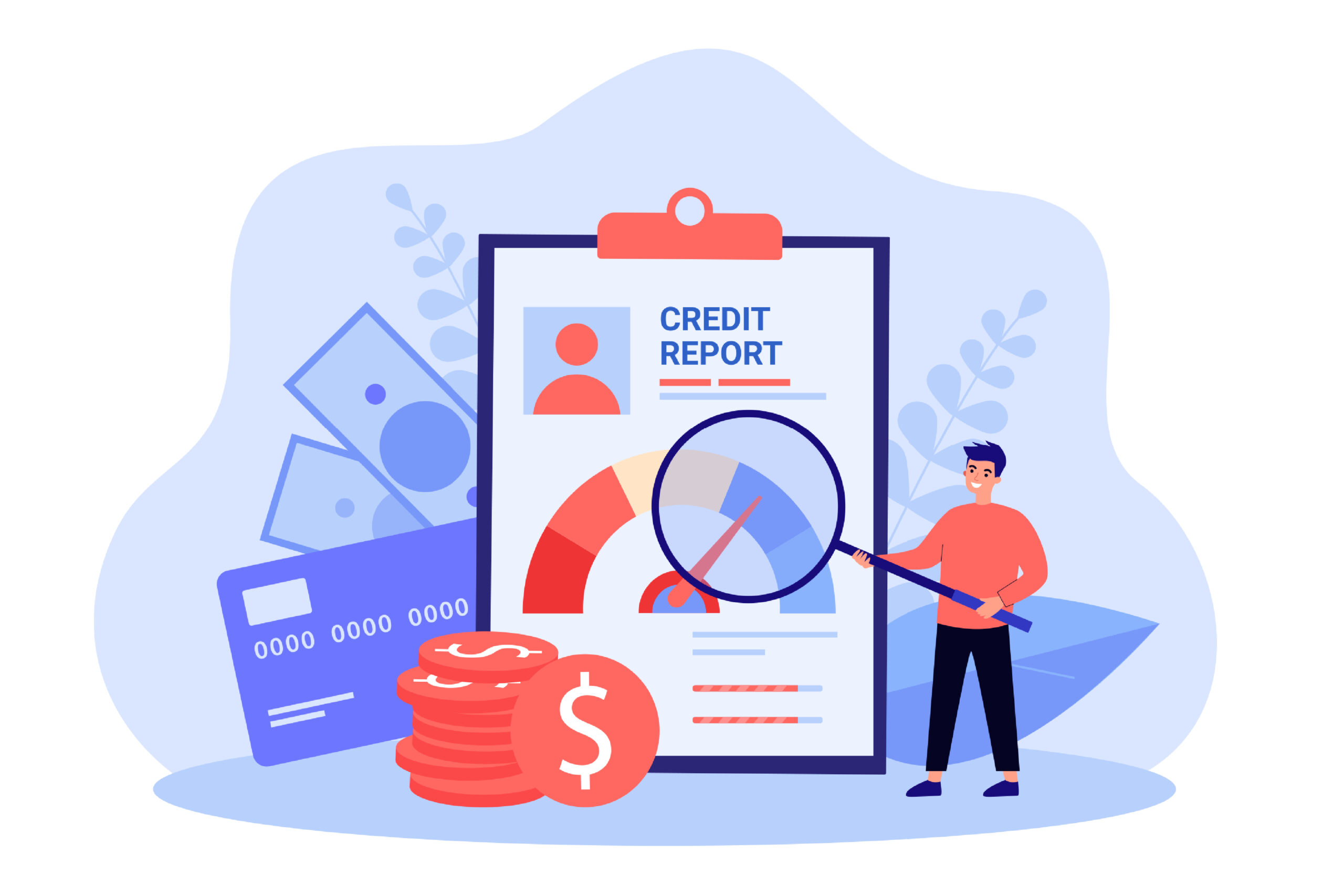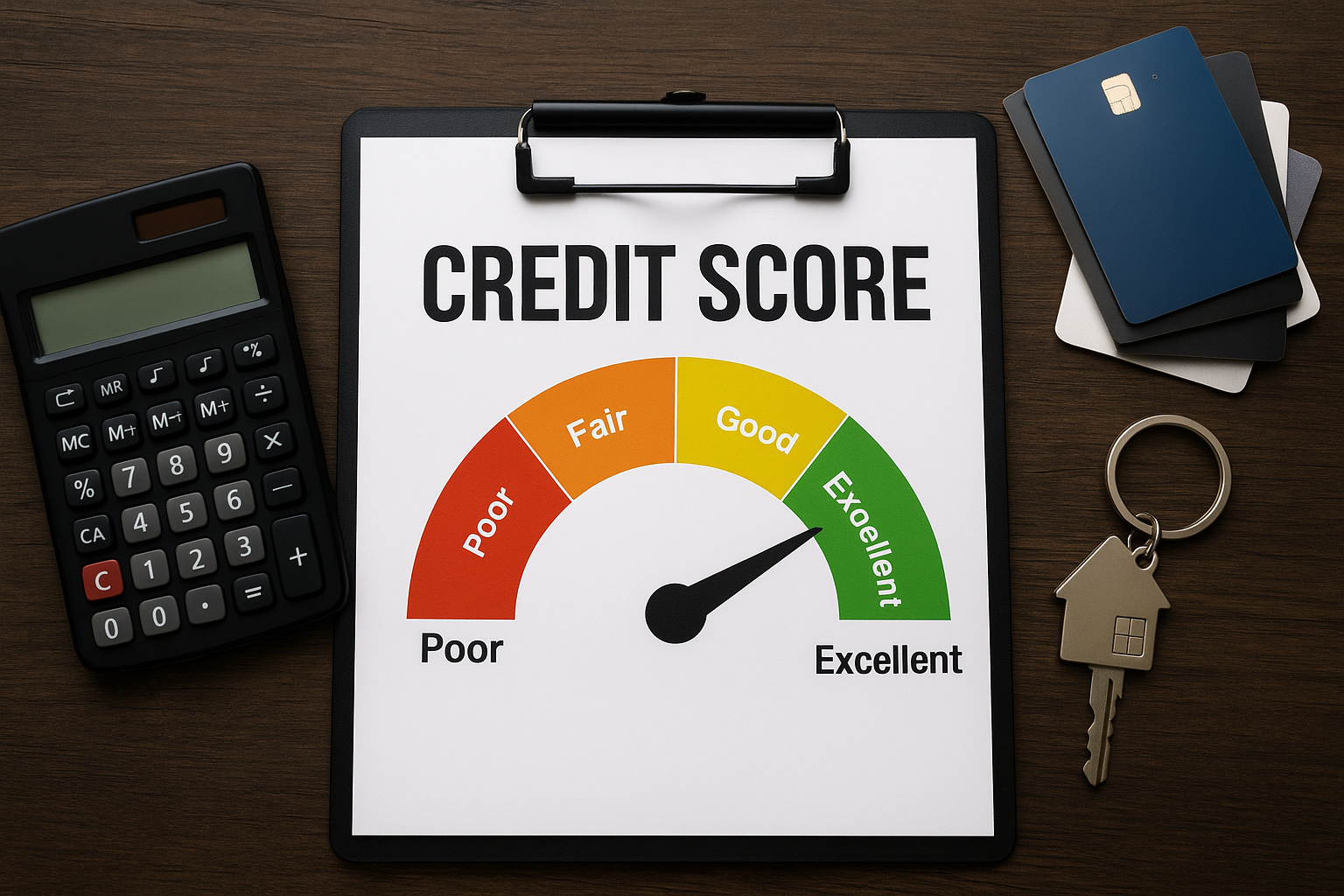
Maintaining a healthy credit score starts with consistent daily habits rather than dramatic one-time changes. Small, repeatable practices influence the factors lenders and scoring models consider most. This article outlines practical behaviors you can adopt immediately to stabilize and protect your credit over time. Adoptable routines help avoid common pitfalls and build resilience in your financial profile.
What Influences Your Credit
Several components determine credit scores, including payment history, amounts owed, length of credit history, new credit inquiries, and credit mix. Payment punctuality and the percentage of available credit you use tend to have the greatest impact. Understanding these drivers helps you prioritize simple, everyday actions that move the needle. Knowing which elements matter most makes it easier to focus energy where it counts.
Keep in mind that changes appear gradually, so patience is necessary. Track one or two priorities rather than trying to fix everything at once.
Daily Habits That Support Credit Health
Make on-time payments a daily priority by automating bills or setting reminders to avoid late marks. Monitor your account balances regularly to prevent accidental overspending and reduce utilization proactively. Use notifications for due dates and low balances to catch issues before they become problems. Small behaviors like checking balances each morning create awareness and reduce surprises.
Consistency beats sporadic intensity when improving credit. These small, repeatable steps help maintain stability.
Smart Credit Use and Payment Strategies
Aim to keep credit utilization low across all revolving accounts by paying down balances or moving charges to cards with lower utilization. When possible, make multiple small payments through the month rather than one large payment to keep reported balances lower. Avoid opening several new accounts at once, which can temporarily lower your score through hard inquiries and shorten average account age. If you carry a balance, prioritize highest-interest accounts while maintaining minimum payments on others.
- Pay more than the minimum when possible to reduce principal faster.
- Request higher credit limits rather than closing accounts to improve utilization.
- Space new credit applications and review prequalification options.
Adopt strategies that fit your cash flow to avoid stress. Small adjustments in payment timing can produce measurable improvements.
Monitoring and Fixing Errors
Regularly review your credit reports to catch errors or unauthorized activity promptly. Dispute inaccuracies with the reporting agency and follow up with your creditors for documentation and correction. Monitoring also helps you spot identity theft early and take action before it damages your score. Free reports and alerts make this an easy habit to incorporate.
Set a schedule to review reports quarterly or when you notice unusual activity. Timely disputes often resolve quickly and restore accuracy.
Conclusion
Stable credit comes from steady, deliberate habits rather than quick fixes. Focus on on-time payments, low utilization, and regular monitoring to protect your score. Start with one small change today and build from there.