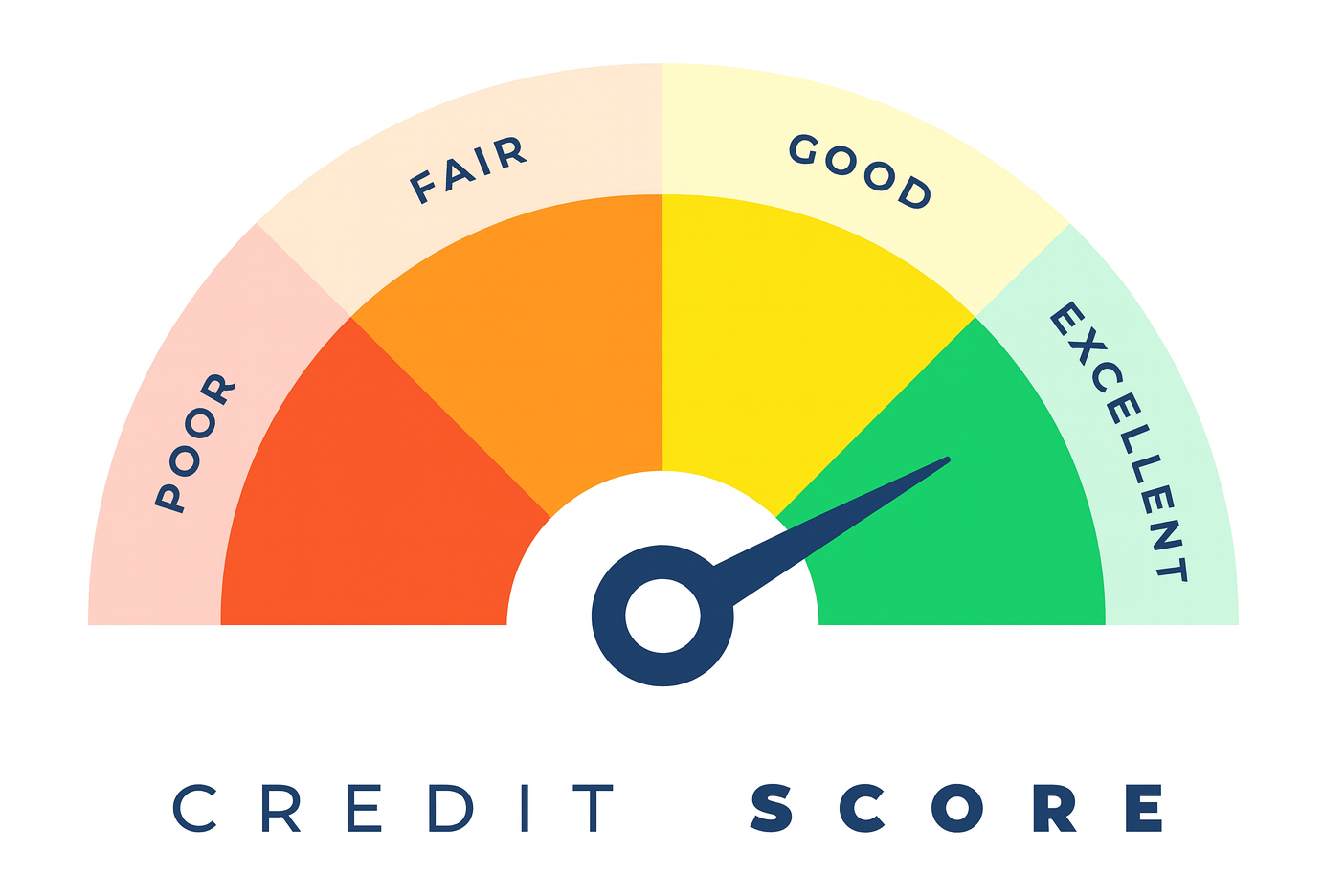
Credit cards are useful tools when you build a predictable routine around them. Creating a simple monthly plan reduces surprise fees and helps you meet short-term goals. Clear rules about which card to use and when can lower stress and improve discipline. This article outlines practical steps to make everyday card use reliable and manageable.
Set a Monthly Card Plan
Begin by listing recurring expenses and assigning a primary card to each category. Match cards to spending types so rewards and protections are applied consistently, and track those assignments in a single place. Schedule one day each month to review statements and upcoming due dates to avoid late charges. Consistency turns ad hoc charges into predictable entries that are easier to manage.
Keep the plan small and focused so it is easy to follow. Revisit assignments quarterly to adjust for changes in habits or promotions.
Prioritize Payments and Balances
Decide on a payment hierarchy that reduces interest costs and preserves credit health. Pay at least the minimum on all accounts, then direct extra funds to the highest-interest balance. If you carry small balances, consider a targeted payoff timeline of three to six months to eliminate interest quickly. Automating minimum payments and a consistent extra payment prevents missed deadlines and builds momentum.
- Minimums on all accounts to protect score
- Extra to highest-rate balance for fastest savings
- Automate where possible to avoid oversight
Regularly monitoring balances helps you adjust payments when income or expenses change. Small, steady reductions compound into meaningful savings over time.
Use Cards with Purpose
Assign cards based on strength: put everyday purchases on the card with the best return for that category, use a travel or protection-focused card only when you really need its benefits, and keep one card as a backup for emergencies. Limit the number of active cards to maintain clarity while still capturing meaningful rewards. Avoid using multiple cards for the same type of expense unless the incremental benefit outweighs the added complexity. Purposeful use keeps statements predictable and rewards optimized.
Make habit shifts gradual and track results for two to three cycles. Purposeful changes are more likely to stick and provide measurable benefit.
Conclusion
Build a compact monthly plan that assigns clear roles to each card. Maintain a simple payment priority and automate where possible to protect both credit and cash flow. Small, consistent choices create a predictable routine that reduces stress and improves financial outcomes.