Credit scores rarely shift suddenly, but steady habits compound into meaningful gains. You don’t need perfect history or big payments to make progress; small, intentional moves often matter more. This piece focuses on practical actions—timing your payments, trimming balances, and watching your reports—that you can maintain month after month. Pick a couple of tactics that fit your routine and build from there, because consistency beats bursts of effort every time.
These suggestions are designed to reduce stress while nudging scores upward. Expect gradual change rather than overnight fixes.
What moves the needle
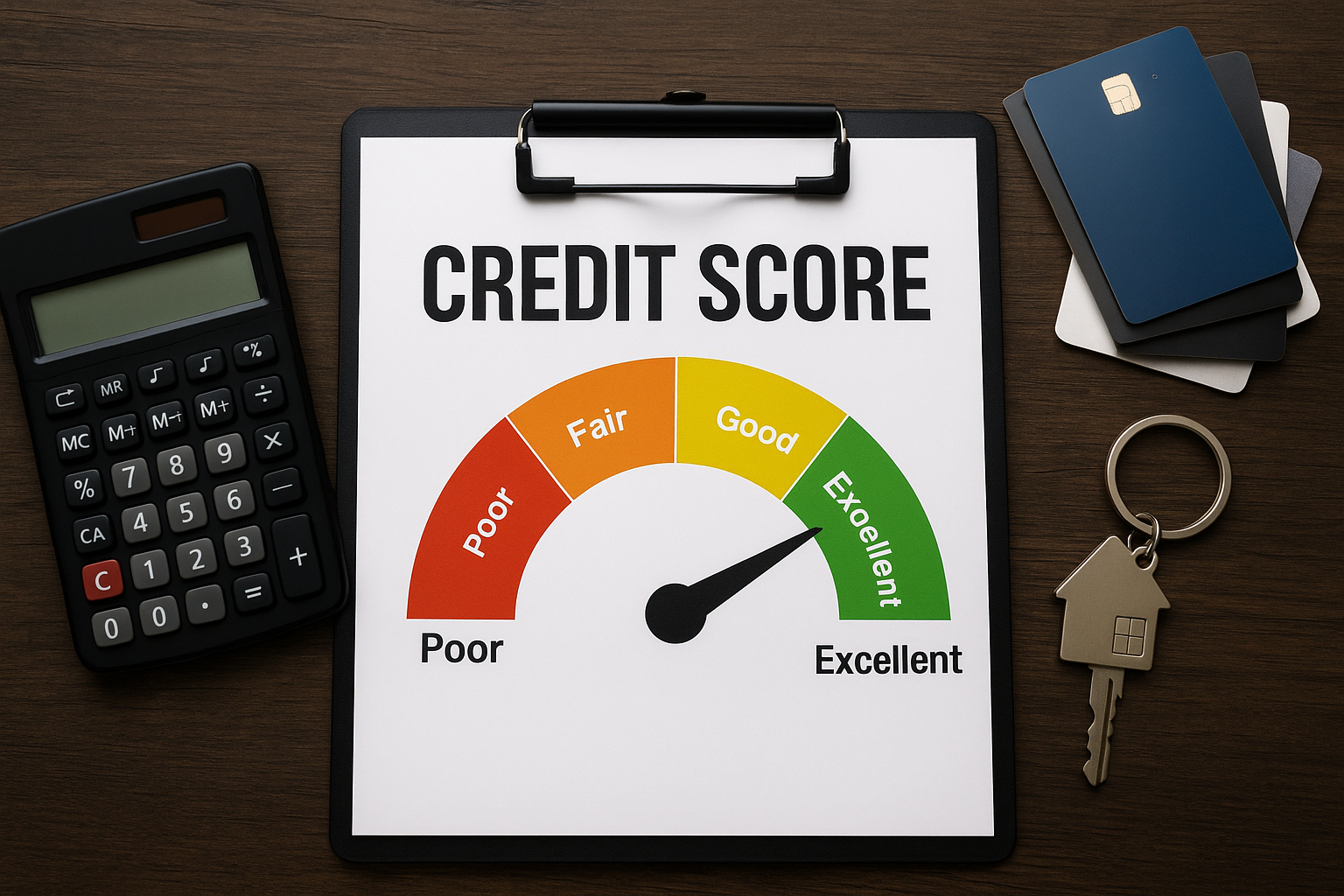
Payment history is the single largest influence on most credit models: on-time payments pay dividends. Credit utilization, the share of your available revolving credit that you’re using, is the fastest lever you can pull; keeping it low signals responsible borrowing. Other factors include the length of credit history, the mix of account types, and recent inquiries or new accounts. All of these combine differently depending on which scoring model a lender uses, so minor trade-offs are normal.
Focusing on on-time payments and utilization will usually yield the clearest early improvements. Treat other factors as background work that grows in importance over longer stretches.
Small habits that genuinely help
Automating payments stops accidental late marks, which can linger and drag scores down. Pay down cards before the statement closing date to lower the reported balance, which often lowers utilization more effectively than waiting until the due date. Keep new account openings sparing and staggered, because each hard inquiry and new line can temporarily suppress your score. Gentle, repeatable moves are easier to maintain than drastic changes.
- Set autopay for at least the minimum amount.
- Make a mid-cycle payment to reduce reported balances.
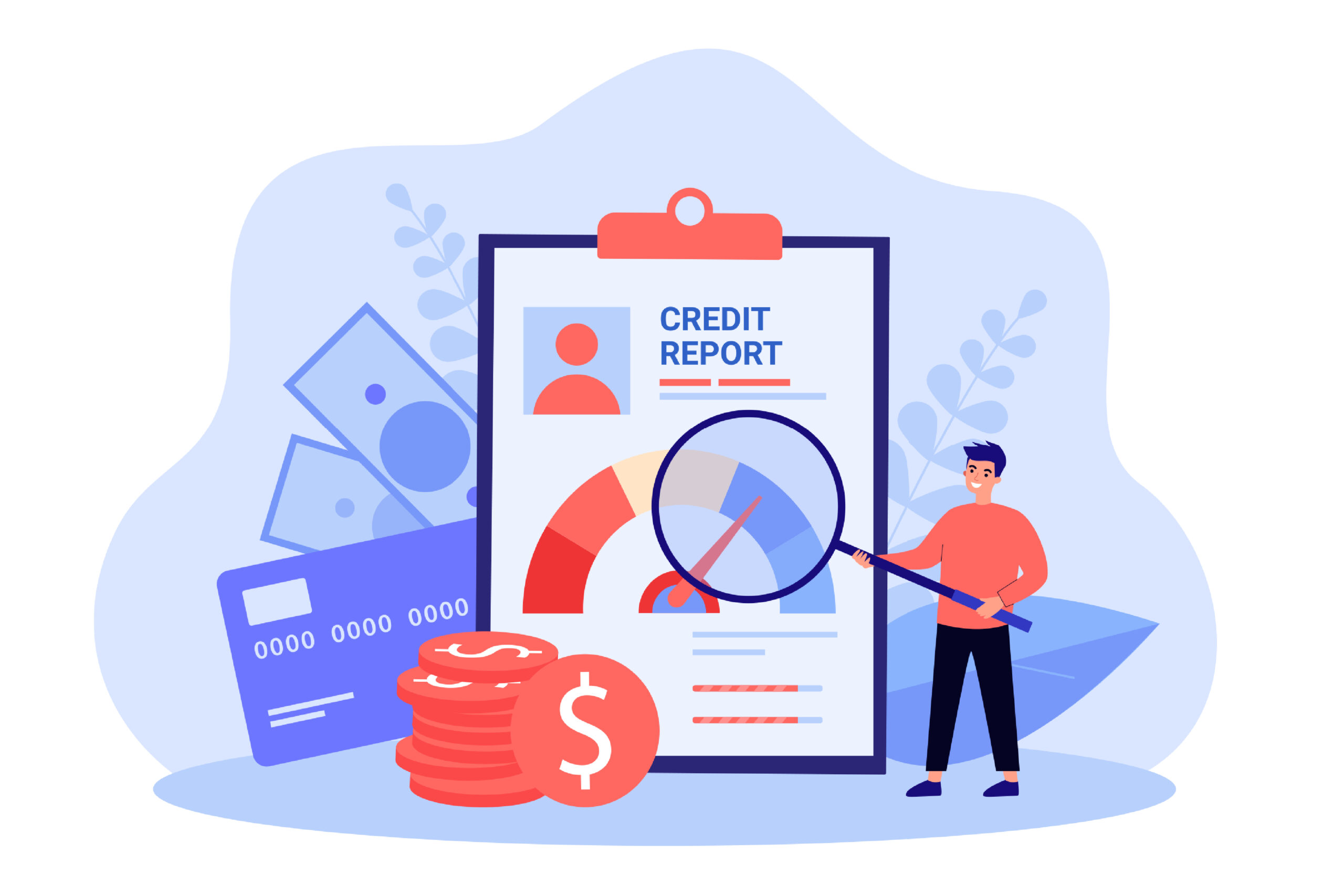
- Review your credit report once a quarter for errors.
Start with one habit from the list and add another once it becomes routine. Over months, these low-effort steps tend to add up into measurable progress.
Fixes after missteps
If you miss a payment, act fast: contact the lender to request a goodwill adjustment or set up a catch-up plan to avoid further damage. Dispute clear errors on your reports promptly; removing inaccuracies can produce quick score gains. Consider tools like secured cards or becoming an authorized user to rebuild positive history when accounts are thin or damaged. Keep expectations realistic—major recovery often takes time, but there are practical paths forward.
Monitor progress and document communications with creditors. Patience and steady corrective steps are the most reliable route back to stronger scores.
Conclusion
Improving credit is a marathon of small, repeatable choices rather than a sprint. Prioritize timely payments and lower utilization, add one habit at a time, and check reports regularly. Over months, those steady moves typically produce durable improvement.