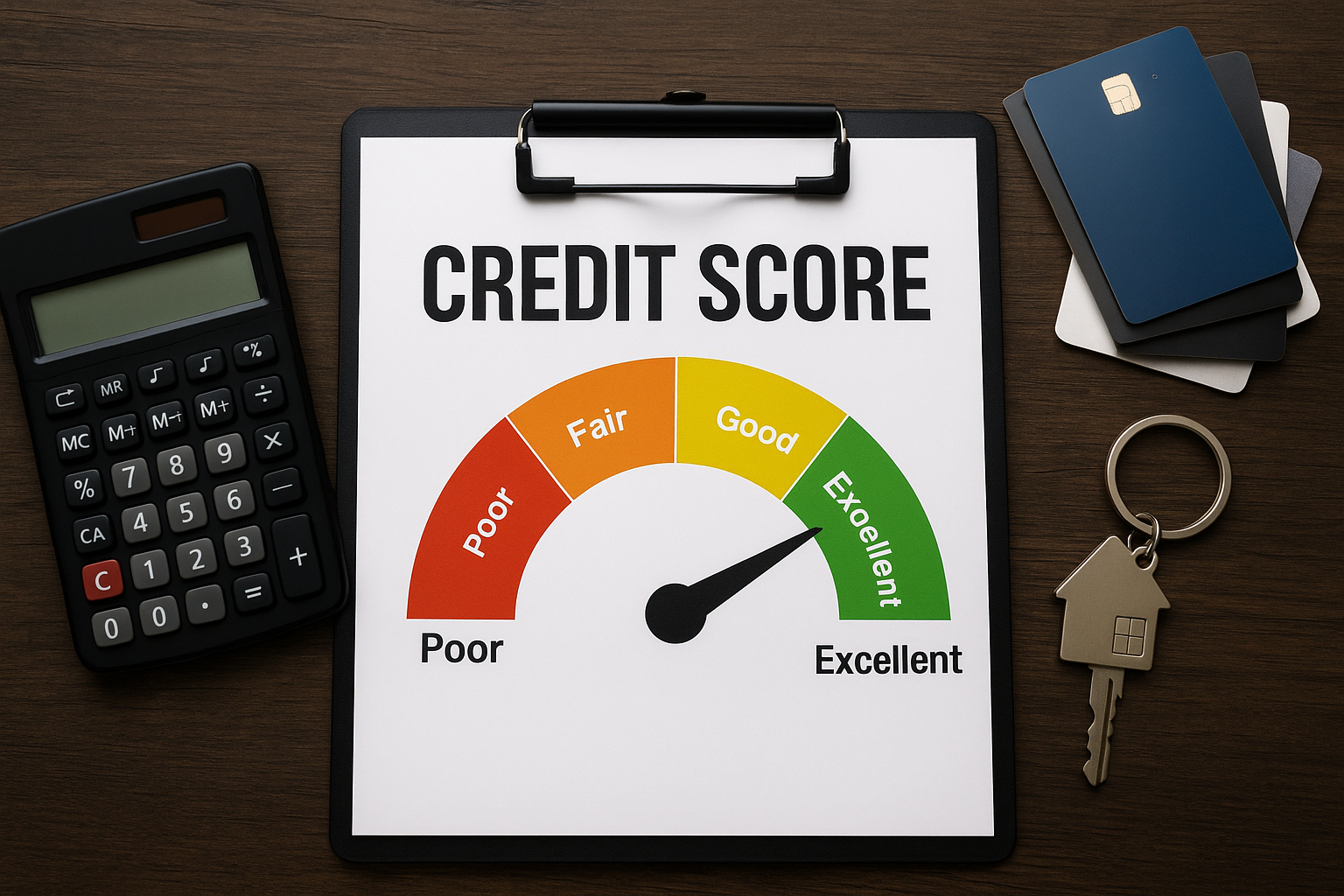
Improving a credit score starts with a few reliable habits rather than dramatic overhauls.
Small, consistent actions can change how lenders view your file and make borrowing easier.
This article lays out practical moves you can use each month to steady and raise your score.
No complicated tools required—just steady timing, sensible limits, and occasional checks.
Pay on Time, Every Time
Payment history is the largest single factor for most scoring models, so lateness really matters.
Set up automatic payments or calendar reminders for at least the minimum due to avoid missed reports.
When you can, pay the full statement balance to reduce interest and keep utilization low.
Even short glitches can be corrected by communicating with your creditor before a payment is reported late.
Make on-time payments your baseline habit rather than an occasional effort.
That discipline protects your score and reduces stress over time.
Keep Balances Low Compared to Limits
Credit utilization — the ratio of balances to limits — influences both short- and medium-term scoring.
Aim to use no more than about 30% of each card’s limit, and ideally keep overall utilization under 10–15%.
If a statement posts a high balance, consider an extra payment before that date to lower the reported amount.
Requesting a higher limit can help utilization, but only if you avoid increasing spending.
Small reductions in utilization can produce noticeable score gains within one billing cycle.
Regularly monitoring limits and balances makes this an achievable habit.
Build a Responsible Mix, Slowly
A mix of revolving accounts and installment loans helps demonstrate different types of credit management.
Don’t open new accounts just to diversify; each application causes a small, temporary score dip.
Consider adding a small, managed installment loan or a secured card if your profile lacks variety.
The point is to show steady, responsible handling across account types rather than chasing a particular combination.
Introduce new credit selectively and with a plan to keep accounts active in good standing.
Responsible variety can support long-term score resilience.
Check Your Reports and Fix Errors
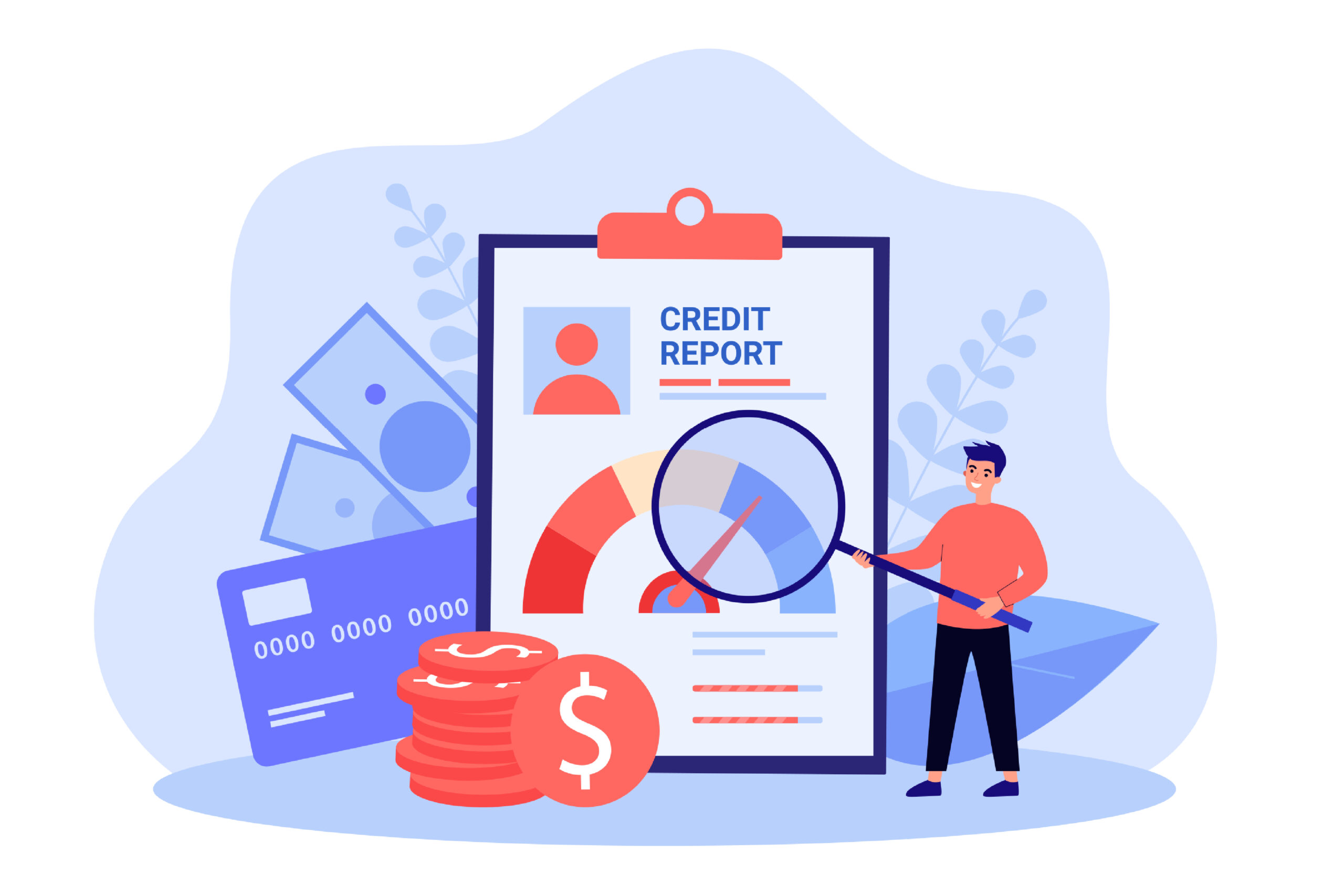
Errors or outdated information on credit reports can drag down your score without your knowledge.
Review reports at least once a year and dispute any inaccuracies promptly with the reporting agency.
Simple issues like incorrect balances or wrongly listed late payments are surprisingly common and fixable.
When a dispute is resolved in your favor, scores can rebound quickly once the corrected data is reflected.
Make checking reports a quarterly or annual habit depending on your recent financial moves.
Catching and correcting mistakes is one of the clearest ways to improve credit without new borrowing.
Conclusion
Small, intentional habits compound into measurable credit improvement.
Prioritize punctual payments, sensible utilization, cautious account changes, and periodic report checks.
Over months you’ll see steadier scores and more predictable access to credit.