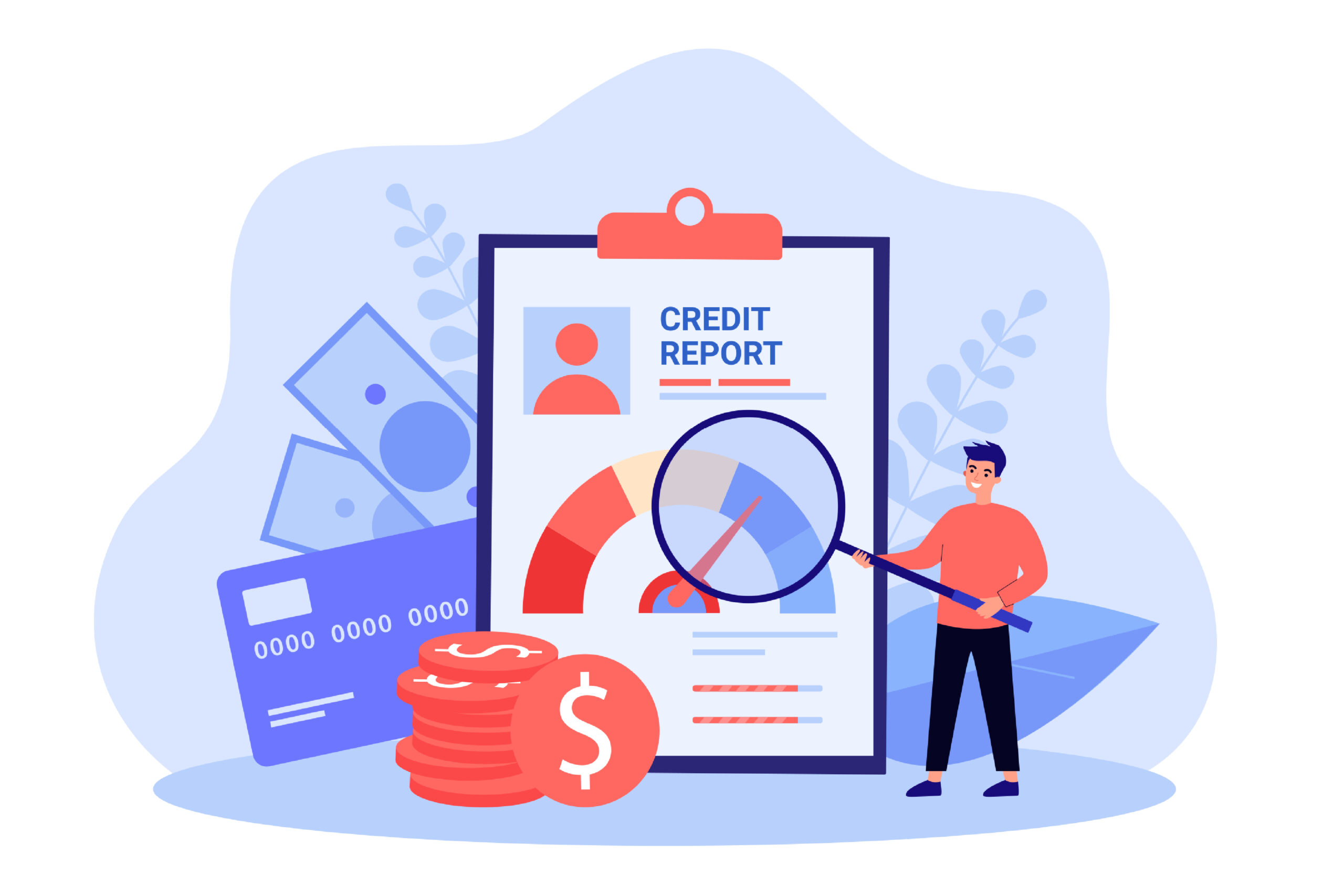
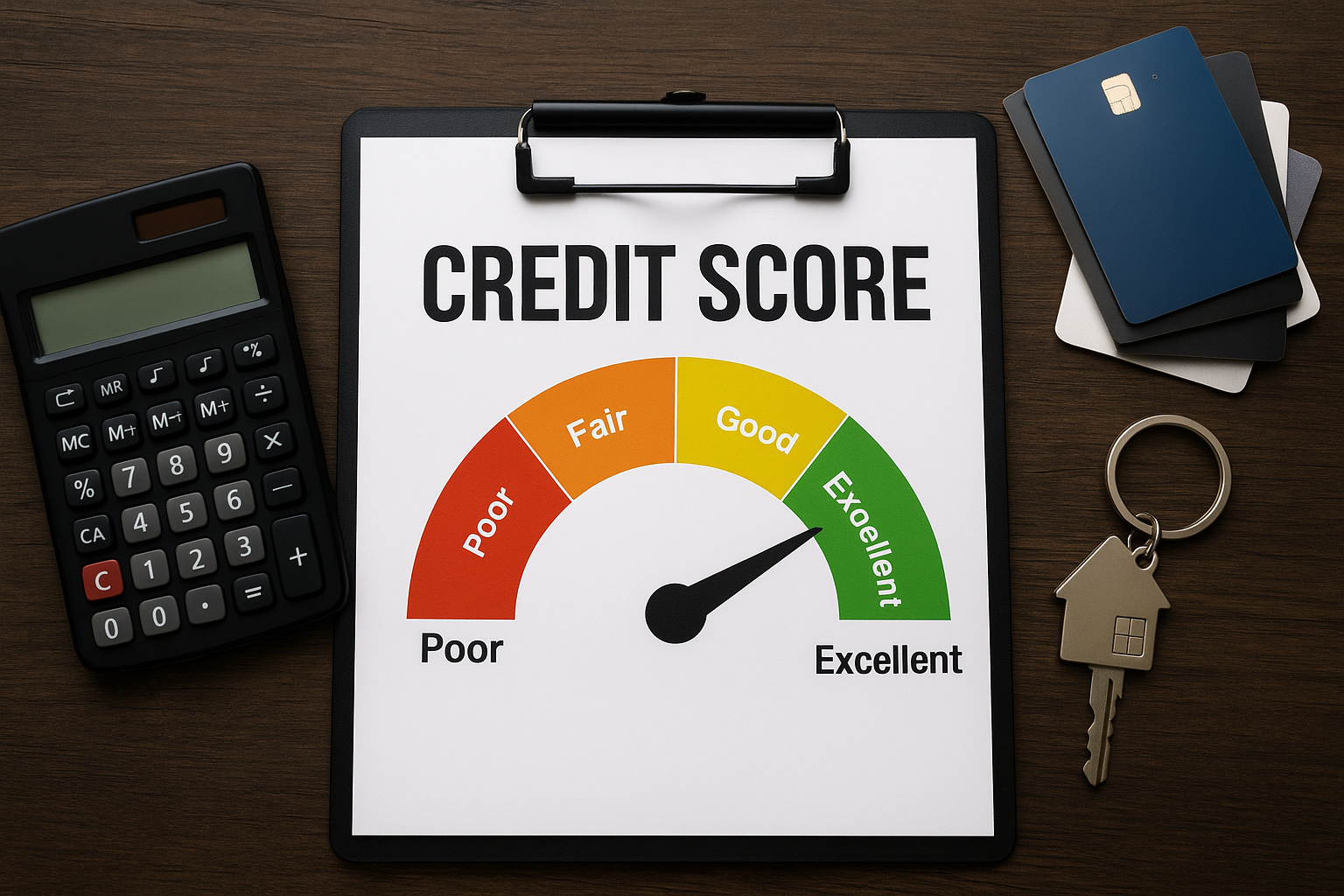
Improving your credit is a process that combines assessment, routine choices, and patience to produce measurable results over time. A clear, manageable plan reduces stress and creates steady progress across months rather than days, helping you prioritize the most effective moves. This article outlines practical and sustainable steps to help you repair, strengthen, and maintain a healthy credit profile while avoiding common missteps. Use these strategies to set priorities, build confidence, and prepare for future borrowing or major purchases with improved options and lower costs.
Assess Your Current Credit Standing
Start by requesting your credit reports and reviewing each account for accuracy, balances, payment history, and any unfamiliar items that may signal identity errors. Pay attention to accounts with high utilization, recent late payments, or those in collections, since these typically have the largest negative effect. Understanding the specific issues gives you a focused, prioritized plan and helps you estimate how long improvements might take under different strategies. Establish realistic target milestones, such as reducing utilization below 30 percent or removing specific inaccuracies through disputes.
With clear data, you can prioritize which actions will move your score most effectively and budget the time and resources needed. Regularly updating your assessment keeps goals relevant and prevents surprises when you apply for credit or insurance.
Create and Follow Predictable Credit Habits
Consistency in on-time payments and deliberate management of credit utilization are two of the most influential habits for long-term credit health, and small adjustments here can yield substantial benefits over time. Aim to pay at least the minimum on time every month, reduce revolving balances toward 30 percent of limits or lower, and consider targeting one high-balance account for accelerated repayment. Automating payments, setting calendar reminders, and tracking due dates help prevent accidental late payments that can linger on reports. Avoid opening multiple new accounts in a short period, since frequent inquiries and recently opened accounts can temporarily suppress scores while offering little immediate benefit.
Building predictable behaviors turns credit management into routine rather than a source of anxiety, and consistent progress reinforces those habits. Celebrate small wins like lowering a single high balance or maintaining a streak of timely payments to stay motivated.
- Pay on time every month.
- Keep balances low relative to limits.
- Review reports at least annually for errors.
Monitor Progress and Adjust Strategies
Track your credit score and report changes so you can see which actions are effective and when to shift tactics; many online tools and services can provide monthly updates and trend visuals for free. If you identify errors that harm your score, dispute them promptly with documentation and follow up until they are resolved or explained. When deeper issues exist, such as significant debt or multiple collections, consider consulting a nonprofit credit counselor to develop a sustainable repayment plan and negotiate with creditors if appropriate.
Periodic review and small adjustments prevent minor problems from becoming major setbacks, and routine monitoring helps you maintain control of your progress. Treat monitoring as an ongoing part of your financial routine rather than a one-time task.
Conclusion
Improving credit is a gradual process built on clear assessment, disciplined habits, and ongoing monitoring. Set achievable targets, automate payments where possible, and celebrate milestones along the way to stay motivated. Over time these steady choices will translate into a stronger, more stable credit profile.