Credit cards can be powerful tools when used with clear intent and simple rules.
They offer convenience, rewards, and a way to track spending, but they also carry risks if left unmanaged.
This guide focuses on practical choices and daily habits that help you extract value without creating unnecessary debt.
Read on for focused steps to align cards with your financial priorities and routines.
Assess Your Spending Patterns
Start by reviewing recent statements to identify steady categories and occasional splurges. Analyze where most dollars go each month and which purchases are flexible versus fixed. Look for recurring subscriptions and seasonal spikes that can affect your monthly totals. Knowing these patterns helps you choose cards with rewards that actually match your real spending.
Once you map your spending, prioritize reward types and protections that matter. Decide whether cashback, travel points, or low interest is most valuable for your situation. This reduces the temptation to chase sign-up bonuses that don’t align with everyday needs.
Pick Cards That Match Priorities
Select one primary card for most purchases and a secondary card for specific categories. A primary card should offer steady rewards and a simple redemption process so benefits feel immediate. A secondary card can boost returns for groceries, gas, or utilities if those categories dominate your budget. Keep card benefits straightforward to avoid complex tracking or loss of value.
Consider fees and benefits together when choosing a card. A modest annual fee can be worthwhile if the rewards and protections exceed the cost. If the math doesn’t add up, opt for a no-fee alternative and focus on consistent, intentional use.
Manage Balances, Timelines, and Habits
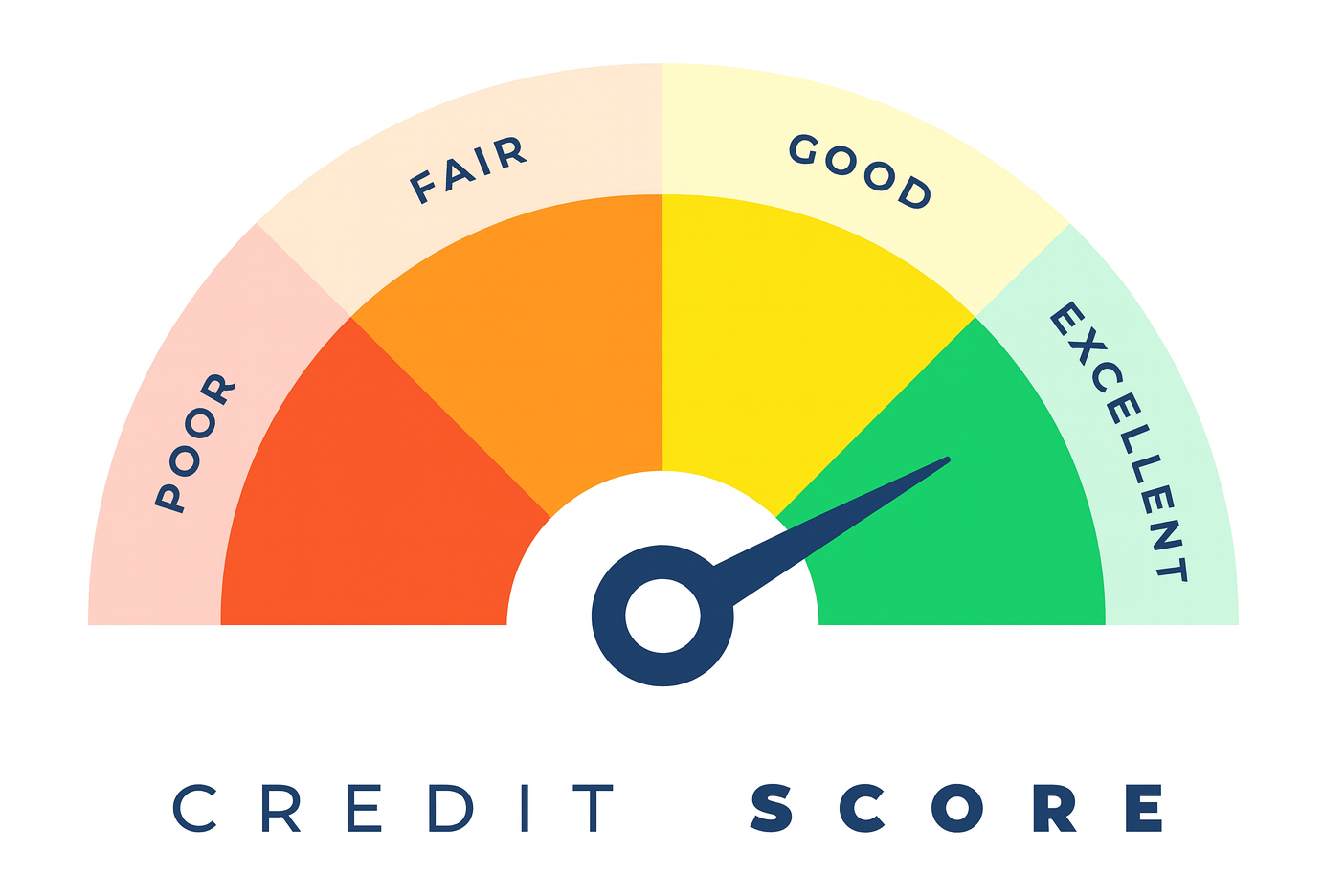
Pay full balances whenever possible to avoid interest that quickly erodes rewards. If you carry a balance, prioritize paying high-interest accounts first and avoid adding new revolving debt. Use automatic payments and reminders to protect your score and keep due dates consistent. Small, repeatable habits prevent surprises and simplify cashflow planning.
Set personal rules that are easy to follow, such as using only one card for recurring bills or limiting luxury purchases to a specific card tied to a rewards bucket. Regularly reassess your wallet as spending and life stages change to ensure your cards remain aligned with your priorities.
Conclusion
Intentional card use combines awareness, matching rewards to spending, and disciplined payment habits.
With simple rules and a streamlined wallet, cards can enhance convenience and value without adding risk.
Revisit your plan periodically to keep benefits aligned with your financial goals.