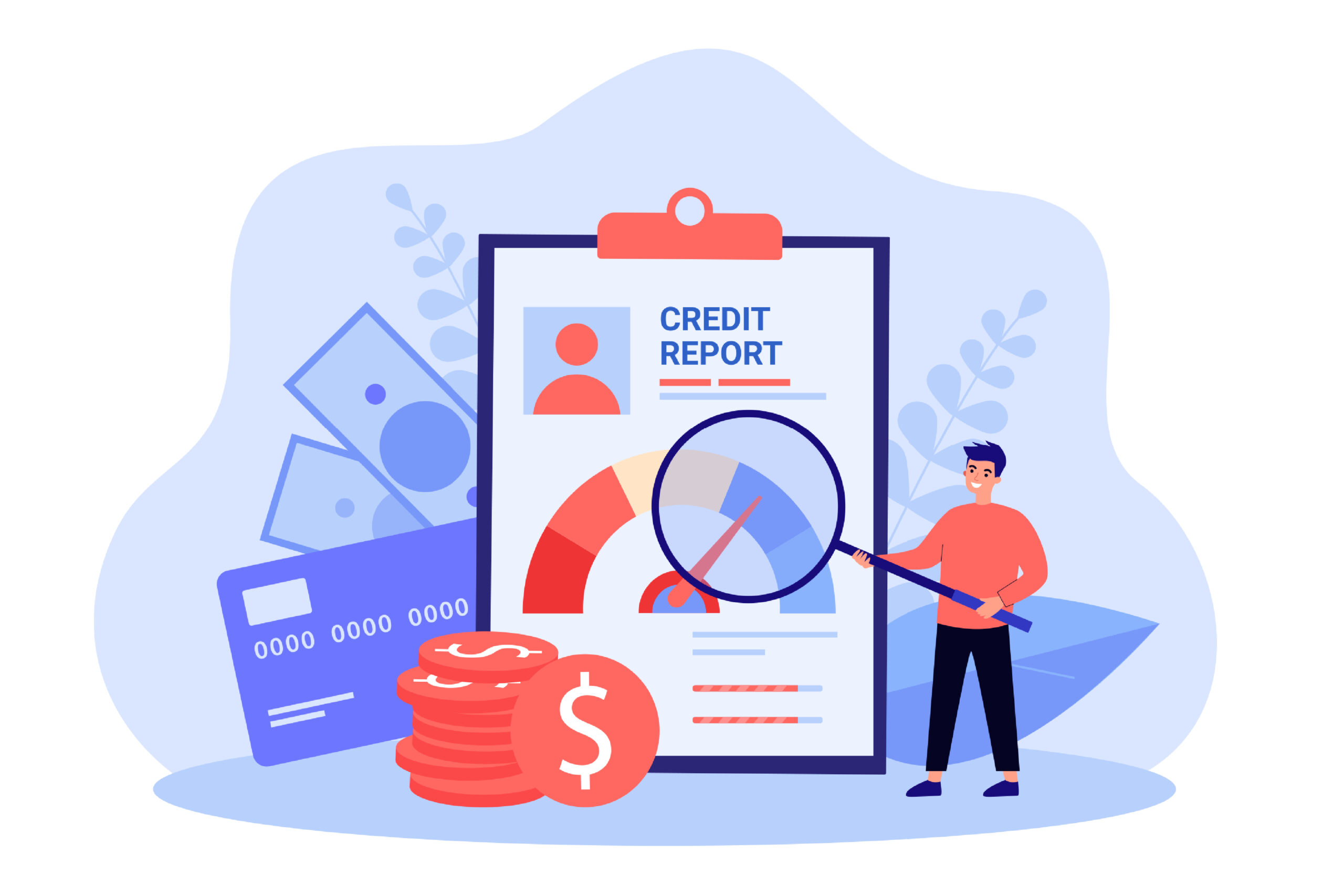
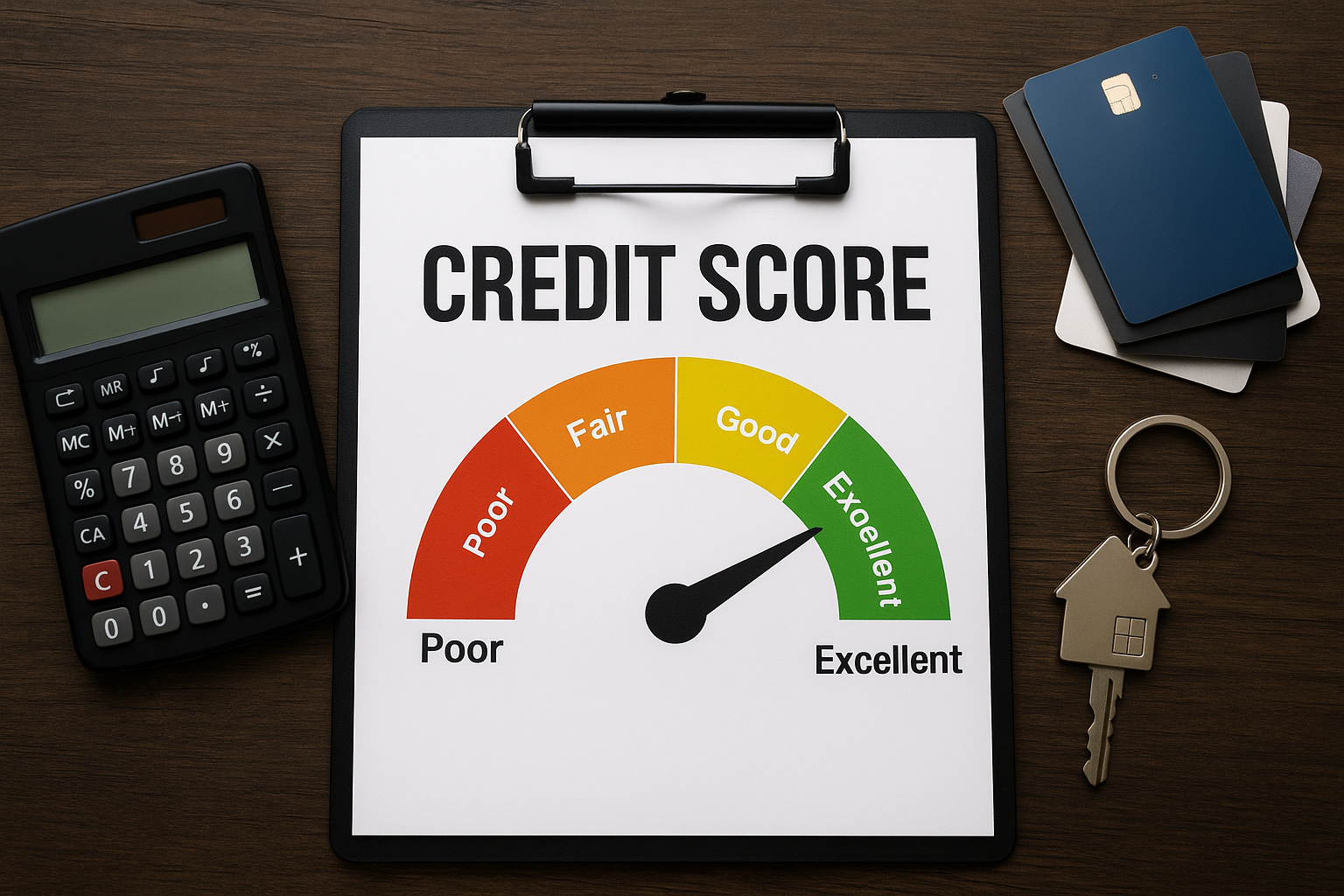
Understanding your credit profile is the first step toward measurable improvement. Start by pulling your credit reports and noting any errors, balances, and account ages that influence your score. Knowing which factors carry the most weight helps you prioritize actions that deliver the fastest gains. This approach keeps improvement structured, manageable, and trackable over time.
Assess Your Current Credit Picture
Begin with a clear snapshot: current scores, recent inquiries, and the status of all open accounts. Look for reporting mistakes, outdated collection entries, or duplicated accounts that can be disputed. Identify high-balance cards or accounts nearing limits because utilization is often the quickest lever to pull. A focused assessment shows where small changes will have the largest impact.
- Order reports from major bureaus and compare line by line.
- Flag inaccuracies and prepare documentation for disputes.
- Note accounts with high utilization or missed payments.
Once you’ve cataloged the issues, assign priorities and timelines for each item. This turns an overwhelming list into a set of achievable tasks that you can track weekly and monthly.
Targeted Actions That Move the Needle
Paying down high interest and near-limit balances can reduce utilization quickly and often raises scores within a billing cycle. Bring past-due accounts current to stop ongoing negative reporting and consider negotiating with collectors for goodwill adjustments where appropriate. Avoid opening new credit lines unless needed, since hard inquiries and short account age can suppress gains. Use targeted payments to address the most impactful items first.
- Focus on cards with utilization above 30%.
- Set up payment reminders or automatic transfers.
- Consider reallocating payments to accelerate payoff.
Tactical payments and selective dispute actions yield measurable results without wholesale changes to your finances. Keep momentum by celebrating small wins and adjusting the plan as scores respond.
Maintain Momentum With Smart Routines
Sustained credit health depends on consistent habits: on-time payments, low utilization, and periodic report reviews. Automate minimum or full payments to avoid late marks, and schedule a quarterly review of your reports for new errors or fraud. Keep older, healthy accounts open to preserve average account age and be cautious with new credit applications. Over time, consistent behavior compounds into stronger, more resilient scores.
- Automate payments for key accounts each month.
- Check reports quarterly and freeze or monitor for fraud.
- Use credit-building tools sparingly and strategically.
Routines reduce the chance of setbacks and make progress predictable. Revisit goals every three to six months and refine tactics based on results.
Conclusion
Improving credit is a process of clear assessment, targeted actions, and consistent routines. Small, prioritized steps often produce the clearest, quickest improvements while minimizing disruption. With a plan and regular reviews, better credit becomes a sustainable outcome rather than a one-time fix.