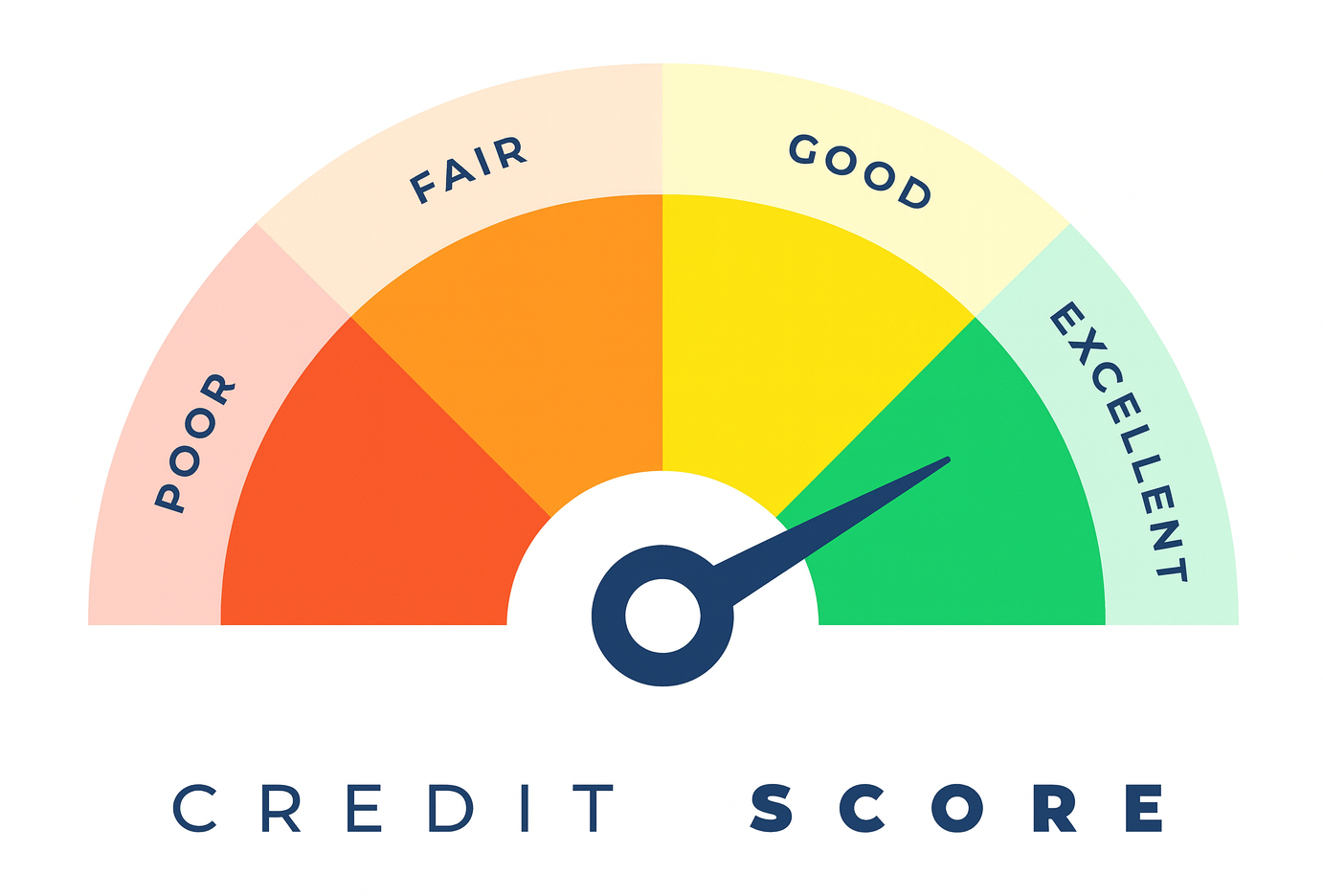
Credit cards don’t have to be a source of stress. A few deliberate habits—choosing one primary card for routine spends, syncing payment dates with paychecks, and setting simple rules for splurges—can make them predictable tools. This piece lays out modest, repeatable steps to keep rewards working for you without adding complexity. No jargon, no overhaul: just a rhythm that fits a busy life.
Assess Your Card Habits
Start by listing how you actually use each card for a week or a month. Note which cards you use for groceries, gas, subscriptions and bills; check which ones carry a balance or have annual fees. That snapshot shows where you’re earning value and where you’re paying for it. Avoid decisions based on logos or promotions alone—use the data you collect instead.
Once you see patterns, pick one card for everyday purchases and one for recurring payments. Keeping roles clear reduces accidental fee-bearing charges and makes tracking easier. This small reorganization alone cuts friction.
Set a Small Monthly Rule
Choose one rule you can keep: pay all balances in full, or at least cover the full statement amount on your payday. Another simple option is to always put subscriptions on a single card and check that bill monthly. Rules don’t need to be restrictive—pick something realistic that prevents late fees and keeps interest from sneaking up. Consistency matters more than complexity.
Automate what you can: autopay the minimum and calendar a reminder to pay the remainder. A steady habit like this reduces worry and preserves your options for rewards. Over time it becomes second nature.
Match Cards to Paydays and Uses
Align billing cycles with your cash flow so due dates fall after paydays when possible. Use a high-reward card for categories you spend on regularly and a low-fee backup for occasional purchases. If a card’s benefits don’t match your routine, consider closing or downgrading it after weighing fee and credit history impacts. Small changes in alignment yield clearer budgeting and better reward capture.
Keep records simple: a short note in your calendar about which card to use for which purchase is enough. Review every six months and adjust if your spending shifts. This keeps benefits relevant without turning your wallet into a project.
Conclusion
Credit cards should serve everyday life, not complicate it. A few rules—one primary card, synced payments, and periodic reviews—can cut costs and preserve rewards. Adopt a modest rhythm and make small adjustments as your spending changes.