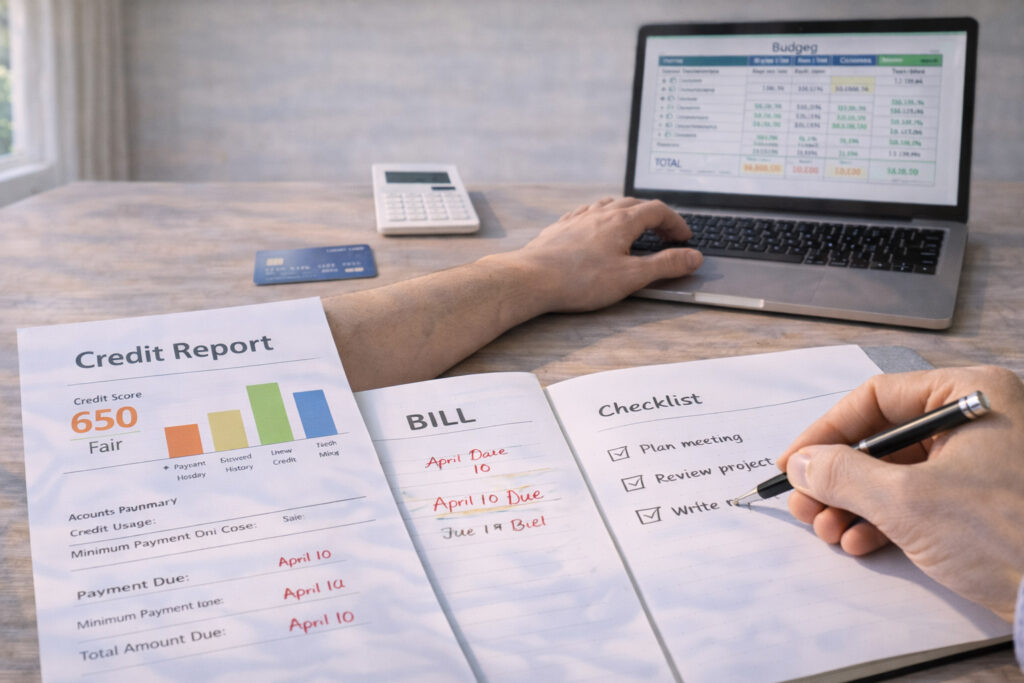
How Small Choices Boost Your Credit Over Time

Improving your credit score is rarely a sudden event; it develops through repeated behavior and informed choices.
Small changes — like paying on time, lowering credit card balances, or correcting report errors — compound over months.
This guide explains the main score drivers and outlines practical, manageable habits you can adopt.
With steady attention, modest actions produce measurable improvements without radical financial shifts.

Know What Shapes Your Credit Score

Credit scoring models weigh several clear components: payment history, amounts owed, length of credit history, new credit inquiries, and account mix. Payment history typically accounts for the largest share, so even a single missed payment can have an outsized impact. Credit utilization — the ratio of balances to available limits — is another lever you can control quickly by reducing balances or increasing limits responsibly. Regularly reviewing your credit reports helps identify errors or fraud that might unfairly lower your score.

Start by obtaining your reports and reading them carefully. Prioritize fixes that address missed payments and incorrect balances.

Practical Habits to Raise Your Score

Adopt small, repeatable habits that directly target scoring factors. Set up autopay or calendar reminders to ensure bills are paid on time and avoid late-payment penalties. Focus on lowering utilization by making multiple payments within a billing cycle or paying down the highest-rate balances first. Resist the urge to open several new accounts at once; each hard inquiry can shave points and many new accounts shorten your average account age.

  • Enable automatic payments for recurring bills.
  • Make interim payments during the month to keep reported balances low.
  • Dispute inaccuracies with the reporting agency promptly.

Pick one or two habits to implement this month and measure changes over time. Small, consistent improvements often outperform sporadic major efforts.

Avoid Common Pitfalls

Some well-meaning actions can hurt scores if done without context. Closing long-established accounts can reduce your available credit and shorten your credit history, both of which may lower your score. Consolidating debt can help reduce interest costs, but beware of replacing revolving balances with new loan types that change your credit mix in unexpected ways. Stay cautious with credit-builder products that impose fees or trigger unnecessary inquiries.

When in doubt, model the long-term effects before making big changes. Consistency and patience are usually the best strategies.

Conclusion

Improving credit is cumulative: steady habits, informed choices, and occasional review deliver the best results.
Focus on punctual payments, reasonable utilization, and correcting errors to build momentum.
Start small today and check progress quarterly to stay on track.

A Clear Guide to Building Reliable Credit Habits

Good credit is built one consistent decision at a time and understanding that process helps you make better financial choices. This guide focuses on practical behaviors that positively influence scores without complicated jargon. You will find clear actions to prioritize, common pitfalls to avoid, and simple monitoring steps. Adopt these habits gradually and stay patient for steady improvement.

Understand the components of your credit profile
Your credit profile is influenced by several weighted factors, each affecting your score differently. Payment history generally carries the most weight, followed by credit utilization, length of credit history, new credit, and credit mix. Learning how each component contributes helps you prioritize actions that have the largest impact first. Use this knowledge to target weak areas with realistic, consistent steps.

– Focus on improving late payments and reducing balances where they matter most.
– Avoid opening multiple accounts at once, which can lower average account age.

Start by checking which factor currently drags your score down and concentrate efforts there. Small improvements in the right area often yield the best returns over time.

Maintain reliable payment habits
Making payments on time is the single most powerful habit for healthy credit. Set up automatic payments or calendar reminders to prevent missed due dates, and prioritize full payments where possible to reduce interest costs. If cash flow varies, pay at least the minimum on time and gradually increase payment amounts to chip away at balances. Consistency here builds a long, positive payment record that lenders value.

– Consider splitting large bills into smaller, more manageable payments.
– Communicate with creditors proactively if you face temporary hardship.

Reliable payments demonstrate responsibility and begin to repair past issues as positive entries accumulate. Over months and years this practice becomes the foundation for stronger credit.

Manage utilization and diversify responsibly
Keeping credit utilization low—ideally below 30% on each revolving account—signals lower risk to lenders and boosts scoring models. Avoid closing old accounts solely to reduce available credit, as that can raise utilization and shorten your credit history. Introducing varied types of credit only when necessary can improve your credit mix without creating excess risk. Thoughtful management beats frequent churn of accounts.

– Prioritize paying down high-interest revolving balances first.
– Use small recurring charges on a seldom-used card and pay them off monthly to keep it active.

A steady, moderate use of credit combined with timely payoffs shows prudent financial behavior. Over time, those patterns improve both your score and borrowing options.

Monitor records and correct errors promptly
Regularly reviewing your credit reports helps you spot mistakes, identity theft, or outdated information that can harm your score. Dispute inaccuracies with the reporting agency and provide documentation to resolve issues quickly. Monitoring also alerts you to new accounts or inquiries that you did not authorize, allowing fast corrective action. Staying proactive reduces surprises and preserves the benefits of your positive habits.

– Obtain reports periodically and compare entries for unfamiliar activity.
– Keep copies of dispute correspondence until matters are resolved.

Timely corrections protect your progress and ensure your profile accurately reflects your behavior. Combine monitoring with the other habits to sustain long-term improvement.

Conclusion
Focus on steady, manageable changes rather than quick fixes to build reliable credit habits. Consistent on-time payments, controlled utilization, and regular monitoring create the strongest foundation. Over time these practices expand your options and financial confidence.

Small Financial Habits That Improve Credit Outcomes

Managing credit scores can feel technical, but small daily choices matter and add up over time.
This article outlines practical habits that help steady improvement over months without risky shortcuts.
You will learn what influences scores, routine behaviors to adopt, and monitoring steps that reduce surprises.
The goal is consistent progress through manageable actions rather than chasing quick fixes.

How Credit Scores Are Determined

Credit scores are calculated from a mix of payment history, amounts owed, length of accounts, new credit, and account variety, with payment history often weighted most heavily. Each factor carries different weight, so a single action rarely causes a dramatic shift; patterns matter more than one-off events. Recent activity and the timing of payments can influence short-term movement, while long-standing behaviors affect the score more steadily. Understanding the components helps you prioritize which behaviors to change, based on where your profile shows the most impact.

Reviewing score explanations from your reporting source or lender can clarify specific drivers in your case. This information helps set realistic targets and timelines for improvement. Track trends rather than obsessing over daily fluctuations to keep focus on meaningful gains.

Daily Habits That Make a Difference

Adopt a few repeatable routines: set calendar reminders for bills, keep credit utilization below recommended thresholds (commonly under 30%), and avoid opening accounts you don’t need. Automating payments eliminates missed deadlines and reduces late fees while supporting a steady payment history. When possible, pay more than the minimum to chip away at balances and lower utilization, and plan targeted payments toward the highest-interest or near-maxed accounts to free up credit capacity. Also maintain older accounts open when appropriate to preserve average account age, which supports longer-term credit stability.

These habits require minimal extra effort but yield measurable improvements over time. Consistency is the key to shifting score trends upward. Pair routine actions with occasional reviews to ensure you remain on track and adjust as balances or needs change.

Correcting Errors and Staying Vigilant

Regularly monitor your credit reports to spot errors, identity theft, or unexpected hard inquiries, since inaccuracies can drag a score down unnecessarily. Dispute inaccuracies promptly with the reporting agency and provide supporting documentation when available to speed corrections. If you find collection items or reporting mistakes, following the formal dispute process often leads to removals or updates that restore your standing. In some cases a goodwill request to a creditor can remove a late mark, and negotiating settlements may prevent further negative reporting.

Staying vigilant prevents small issues from compounding into larger problems. Document disputes and outcomes so you have a record if issues reappear. Quarterly or annual checks make monitoring manageable and reduce the chance of surprises.

Conclusion

Improving credit is a marathon built from daily routines and informed decisions.
Prioritize on-time payments, sensible borrowing, and routine report checks to maintain momentum.
Steady, informed action produces better credit outcomes that compound positively over time.

Strategies to Build a Stronger Credit History

A reliable credit history opens doors to better loan terms, lower interest rates, and more financial flexibility. Building strong credit is a gradual process that relies on consistent habits and informed choices. This article outlines practical strategies to help readers shape a healthier credit profile over time. Each section focuses on actionable steps and common pitfalls to avoid.

How credit history is built

Your credit history is created through repeated interactions with lenders and creditors that report your activity to bureaus. Key factors include payment timeliness, amounts owed, the length of credit accounts, types of credit used, and recent credit inquiries. Lenders look for patterns of responsible behavior rather than isolated actions. Understanding what contributes to your record helps you prioritize improvements.

  • Payment history: the single most influential element.
  • Credit utilization: the percentage of available credit you use.
  • Account age: longer histories generally support stronger profiles.

Focusing on these building blocks makes planning more effective. Small consistent gains often compound into noticeable improvements.

Practical steps to improve scores

Start by ensuring every bill that affects credit is paid on time, as punctual payments signal reliability to lenders. Next, reduce credit card balances and keep utilization below recommended thresholds to show responsible borrowing. Consider keeping older accounts open to maintain average account age, and avoid opening multiple new accounts at once. If you have errors on your report, dispute them promptly to correct inaccurate information.

  • Set up automatic payments or reminders to avoid missed payments.
  • Pay down balances strategically, focusing on high-utilization cards first.
  • Use secured credit or small installment accounts to add positive activity if newly building credit.

These steps are practical and repeatable for most situations. Progress may require months, but each action contributes to a stronger profile.

Common mistakes to avoid

Avoid closing long-standing accounts solely to reduce the number of cards, as that can shorten your credit history and raise utilization. Co-signing loans without clear plans adds risk because missed payments affect both parties. Chasing quick fixes like rapidly opening new accounts often backfires by generating hard inquiries and confusing lenders. Recognize high-interest debt traps and prioritize sustainable repayment strategies instead.

  • Don’t ignore small missed payments — they can escalate in impact.
  • Avoid relying on short-term loans that carry heavy fees.
  • Be cautious when co-signing or adding authorized users.

Awareness of these errors helps you protect long-term progress. Preventing setbacks is often as important as adopting new habits.

Monitor progress and stay patient

Regularly review your credit reports and scores to track improvements and spot anomalies early. Use free or low-cost monitoring tools and request reports from major bureaus annually when available. Set realistic milestones and celebrate consistent wins like reducing utilization or eliminating a delinquent account. Patience matters: meaningful score changes typically occur over several months to years, not overnight.

  • Track changes after major actions, such as paying down a balance.
  • Keep documentation for disputes and communications with creditors.

Staying disciplined and informed supports steady progress over time. Small, consistent actions compound into durable credit health.

Conclusion

Building a strong credit history takes consistent, informed actions and time to reflect in scores. Focus on on-time payments, responsible use of credit, and monitoring for errors while avoiding quick fixes. With patience and steady habits, you can improve your financial options and long-term stability.

Understanding and Improving Your Personal Credit Score

Your credit score is a numerical snapshot of how reliably you manage borrowed money. Lenders, landlords, and some service providers use this number to assess risk and set terms. Small, consistent behaviors often move scores more than dramatic changes. This article explains key factors and practical steps to make measurable improvements.

Building stronger credit is a long-term process, but targeted actions can accelerate progress. Read on for clear, actionable guidance you can apply this month.

How Credit Scores Are Calculated

Credit scores are derived from several components that reflect your borrowing and repayment behavior. Payment history typically carries the most weight, followed by the amount owed, length of credit history, new credit inquiries, and credit mix. Each scoring model weights these factors differently, but the underlying principles are consistent across systems. Understanding these elements helps you prioritize efforts that will have the biggest impact.

  • Payment history: pay on time to avoid major damage.
  • Amounts owed: lower balances relative to limits.
  • Length of history: older accounts can boost stability.

Focusing on the top two or three factors usually yields the fastest improvement in most scoring systems. Monitoring your score over time reveals which actions matter for your profile.

Common Mistakes That Hurt Scores

Certain behaviors repeatedly cause unnecessary credit damage and are easily avoidable. Missing payments, maxing out cards, and opening many new accounts in a short span all send negative signals to scoring models. Errors on credit reports can also drag scores down if left unchallenged. Regular review and disciplined habits prevent these common pitfalls.

  • Missing a single large payment can be more harmful than several small missteps.
  • High credit utilization signals greater risk to lenders.

Addressing these mistakes means creating systems to pay on time and keeping balances well below limits. If you find errors, dispute them promptly and follow up until resolved.

Practical Steps to Improve Your Score

Start with the basics: set up autopay for at least the minimum amount and reduce outstanding balances strategically. Prioritize paying down high-utilization accounts and avoid closing older cards that contribute positively to account age. When you need new credit, space applications over time to reduce the impact of hard inquiries. Small consistent improvements often compound into meaningful score gains.

  • Automate payments to prevent missed dues.
  • Target balances above 30% of limits first.
  • Keep older accounts open unless they carry high fees.

Track progress monthly and adjust strategies as your situation changes. Patience combined with disciplined habits will deliver steady improvements.

Conclusion

Improving a credit score requires clear priorities: timely payments, lower utilization, and careful credit management. Consistency and review are more effective than quick fixes. With small, sustained changes you can build stronger credit and access better financial options.

How Credit Scores Impact Your Retirement Planning

Retirement planning is often associated with savings accounts, investments, and long-term income strategies. However, credit scores also play an important role in shaping financial flexibility before and during retirement. Credit health influences borrowing costs, insurance pricing, and access to financial options that can affect how comfortably retirement plans unfold. Understanding this connection helps create a more resilient long-term strategy.

Credit Scores and Pre-Retirement Financial Flexibility

In the years leading up to retirement, many individuals rely on credit to manage large expenses such as home repairs, healthcare needs, or relocation costs. Strong credit scores provide access to lower interest rates and better borrowing terms, reducing the cost of financing these expenses. Weaker credit can increase costs and limit options, placing additional strain on retirement savings.

Managing Debt Before Retirement

Outstanding debt can significantly impact retirement readiness. Credit scores reflect how well debt is managed over time. Maintaining strong credit habits—such as timely payments and controlled balances—supports efficient debt reduction strategies. Entering retirement with manageable or minimal debt helps preserve fixed income and reduces financial stress during later years.

Impact on Insurance and Living Costs

Credit scores can influence pricing for certain insurance products, which are essential in retirement planning. Higher premiums tied to weaker credit can erode retirement budgets over time. Strong credit health helps keep recurring costs more predictable, supporting long-term financial stability as income sources become more fixed.

Access to Financial Tools During Retirement

Even in retirement, access to credit remains relevant. Lines of credit, refinancing options, or short-term financing may be needed for unexpected expenses. A solid credit profile ensures these tools remain available if needed, providing flexibility without forcing withdrawals from retirement investments at unfavorable times.

Protecting Retirement Savings From Unnecessary Drawdowns

When credit access is limited or expensive, retirees may rely more heavily on retirement accounts to cover short-term needs. This can accelerate withdrawals and reduce long-term sustainability. Healthy credit allows retirees to manage cash flow strategically, protecting investment growth and income longevity.

Aligning Credit Management With Long-Term Planning

Credit management should be integrated into retirement planning, not treated as a separate concern. Regularly monitoring credit reports, addressing errors, and maintaining consistent payment behavior support long-term goals. These habits strengthen financial resilience well beyond working years.

Conclusion

Credit scores impact retirement planning by influencing borrowing costs, insurance expenses, and financial flexibility. Strong credit health supports smoother transitions into retirement and protects long-term savings. By aligning credit management with retirement goals, individuals can build a more secure and adaptable financial future.

The Credit Score “Aftershock”: Why One Missed Payment Affects You for Longer Than You Think

Your credit score is a powerful number. It dictates your financial opportunities, affecting everything from loan approvals to the interest rates you are offered. But while many people focus on how to improve their credit score, they often overlook the lasting effects of even a single missed payment. The truth is, a missed payment doesn’t just result in a short-term dip in your score; it can linger and impact on your financial health for much longer than you might expect.

Understanding the Aftershock of a Missed Payment

When you miss a payment, whether it’s for a credit card, a mortgage, or a car loan, your credit score takes a hit. But the impact goes beyond just the immediate drop. Your score can remain low for months, sometimes years, even after the payment is made, due to how credit reporting agencies track delinquencies. These “aftershocks” from missed payments can continue to affect your score long after you’ve caught up with the payment.

How Long Does a Missed Payment Affect You?

Generally, a missed payment can remain on your credit report for up to seven years. The exact effect on your credit score depends on various factors, including how long your account has been open, your payment history, and whether the missed payment is a one-time event or part of a larger trend.

However, the damage is often more significant in the first few months after the missed payment, as the credit bureaus assign higher weight to recent delinquencies. Over time, the impact tends to decrease, but the lingering aftershocks can still prevent you from reaching your financial goals—whether you’re trying to buy a home, refinance a loan, or get a new credit card.

Why Does It Affect You for So Long?

Credit scores are designed to reflect your long-term financial reliability. When you miss a payment, it signals that you might not be able to manage your debts effectively, which can increase the risk for lenders. Even if you catch up and make future payments on time, the missed payment still paints a picture of past behavior that lenders will see.

Additionally, the longer the gap between a missed payment and the time it’s reported, the harder it is to mitigate its impact. This is because credit scoring models typically penalize recent missed payments more than older ones.

What Can You Do to Minimize the Aftershock?

If you have missed a payment and are concerned about its lasting impact, the best strategy is to act quickly:

  • Catch Up on Payments: The sooner you make the missed payment, the less damage it will do to your credit score. Even if the payment is late, it’s better to catch up as soon as possible.
  • Request a Goodwill Adjustment: In some cases, creditors may be willing to remove the missed payment from your credit report as a goodwill gesture, especially if you have a history of on-time payments. This is more likely if it was a one-off mistake rather than a pattern of missed payments.
  • Avoid Future Missed Payments: Set up automatic payments or reminders to ensure that you don’t miss any more payments in the future. Demonstrating a consistent track record of timely payments will help rebuild your credit over time.
  • Review Your Credit Regularly: It’s always a good idea to regularly check your credit report for any discrepancies or outdated information. If you find anything incorrect, dispute it with the credit bureaus.

Conclusion

A missed payment may feel like a minor mistake, but its consequences can stretch far beyond the immediate dip in your credit score. With patience and careful attention, you can recover, but it’s important to be aware of the lasting effects. Moving forward, a consistent history of on-time payments will help you rebuild your score, but the aftershock of that single missed payment might continue to echo for years.

Credit Scores and Cryptocurrency Loans: What You Should Know

Cryptocurrency loans are gaining attention as an alternative way to access funds without relying entirely on traditional banks. By using digital assets as collateral, borrowers can unlock liquidity while holding onto their crypto holdings. As this space grows, many people wonder where credit scores fit into the picture. Understanding how credit profiles interact with crypto lending is essential for making informed financial decisions.

How Cryptocurrency Loans Work

Cryptocurrency loans typically allow borrowers to pledge digital assets such as bitcoin or other tokens as collateral in exchange for cash or stablecoins. These loans are often overcollateralized, meaning the value of the pledged assets exceeds the loan amount. This structure helps lenders manage risk in a highly volatile market. Because collateral plays a central role, approval processes differ significantly from traditional lending.

The Role of Credit Scores in Crypto Lending

In many crypto loan models, credit scores are not the primary approval factor. Since the loan is secured by digital assets, lenders focus more on collateral value and market volatility than on credit history. However, some platforms that bridge traditional finance and digital assets may still consider credit scores, especially when offering lower collateral requirements or hybrid lending products.

Benefits and Trade-Offs for Borrowers

One major advantage of crypto loans is accessibility. Borrowers with limited credit history may still qualify as long as they have sufficient collateral. This can provide flexibility for individuals seeking short-term liquidity without selling assets. On the other hand, price volatility introduces risk. Sharp declines in asset value can trigger margin calls or forced liquidation, regardless of a borrower’s credit standing.

How Crypto Loans Can Affect Financial Planning

While crypto loans may bypass traditional credit checks, they do not replace responsible financial management. Missed payments on certain platforms may not directly impact credit scores, but they can result in asset loss or restricted access to services. Additionally, some lenders report activity to financial institutions, particularly when operating within regulated frameworks. Understanding these details helps borrowers align crypto lending with broader financial goals.

Regulatory Trends and the Future of Credit Integration

As digital asset markets mature, regulators are paying closer attention to crypto lending practices. Future models may integrate credit-based assessments alongside collateral requirements to create more balanced risk evaluation. This evolution could lead to products that blend the flexibility of crypto loans with the accountability of traditional credit systems.

Conclusion

Credit scores play a limited but evolving role in cryptocurrency loans. While collateral remains the primary factor, credit considerations may grow as the market matures. Knowing how these elements interact helps borrowers manage risk and make smarter financial choices.

How Social Media Behavior Could Influence Future Credit Ratings

As digital footprints expand, financial institutions are exploring new ways to assess risk and reliability. Traditional credit scores rely heavily on repayment history and financial records, but emerging technologies are pushing the boundaries of what data can be considered. One growing area of interest is social media behavior, which could influence how future credit ratings are evaluated. While still evolving, this shift raises important questions about opportunity, fairness, and privacy.

Why Lenders Are Looking Beyond Traditional Credit Data

In many cases, conventional credit data provides an incomplete picture of an individual’s financial reliability. This is especially true for younger consumers or those with limited borrowing history. Social media activity can offer indirect signals about stability, consistency, and lifestyle patterns. From employment indicators to professional engagement, these signals may help lenders make more informed decisions when traditional data is scarce.

Behavioral Signals and Financial Trust

Patterns such as consistent online presence, professional networking activity, or responsible digital behavior could be interpreted as indicators of reliability. For example, stable employment updates or long-term professional engagement may suggest income consistency. While these signals do not replace financial data, they could complement existing models to refine risk assessment, particularly for first-time borrowers.

Potential Benefits for Financial Inclusion

If applied responsibly, social media-based insights could expand access to credit. Individuals without extensive credit histories might demonstrate reliability through alternative behavioral data. This approach could reduce dependence on rigid scoring systems and open doors for underserved populations. For lenders, broader data sets may lead to more accurate pricing and reduced default risk.

Ethical and Privacy Considerations

The use of social media data introduces serious concerns around consent, bias, and transparency. Online behavior does not always reflect financial responsibility, and misinterpretation could unfairly penalize individuals. There is also the risk of reinforcing social or economic biases if models rely on flawed assumptions. Clear regulations, ethical standards, and consumer education will be essential to prevent misuse.

The Future of Credit Evaluation

As technology advances, credit scoring models are likely to become more holistic. Social media behavior may serve as one of many inputs rather than a deciding factor. When combined with traditional data and alternative financial indicators, it could help create more flexible and inclusive credit systems that adapt to modern digital lives.

Conclusion

Social media behavior has the potential to influence future credit ratings, but its use must be balanced with fairness and transparency. When integrated thoughtfully, it could enhance access and accuracy. Without safeguards, however, it risks creating new barriers instead of removing old ones.

Credit Recovery Acceleration: Why Some People Rebuild Faster After Mistakes

When credit mistakes happen—missed payments, high utilization, or unexpected financial shocks—some people seem to bounce back far quicker than others. This isn’t luck. Credit Recovery Acceleration explains why certain borrowers rebuild their credit faster by focusing on behaviors that credit scoring models reward most heavily after a setback.

Understanding these patterns helps turn recovery into a structured process instead of a waiting game.

Why Credit Recovery Speeds Differ

Credit scores don’t just measure mistakes; they measure what happens next. People who recover faster typically re-establish positive patterns quickly. Scoring models are forward-looking—recent behavior carries more weight than older errors. Those who act decisively after a mistake send strong signals of regained control and reliability.

The Power of Recent Positive Behavior

Payment history and utilization trends are the biggest drivers of recovery speed. Making on-time payments consistently, even on small balance, creates a new positive streak. Reducing utilization below key thresholds (especially under 30%, then under 10%) can trigger noticeable score improvements within months. Fast recovery prioritizes these levers first.

Strategic Simplicity Beats Overcorrection

People who rebuild faster often avoid drastic moves. They don’t open many new accounts at once or shuffle debt constantly. Instead, they stabilize: one or two active cards, predictable spending, and automatic payments. This consistency makes risk easier for lenders to assess—and reward.

Why Monitoring Matters

Accelerated recovery also comes from awareness. Fast rebuilders check statements and report regularly, catch errors early, and adjust spending before utilizing spikes. This prevents small issues from compounding into new setbacks that slow progress.

Mindset Makes a Difference

Perhaps the biggest factor is psychology. Faster rebuilders treat credit mistakes as temporary data points, not permanent labels. They focus on controllables—payment timing, balances, and routines—rather than dwelling on past damage. This keeps behavior aligned with recovery goals.

Conclusion

Credit Recovery Acceleration isn’t about shortcuts; it’s about focus. By prioritizing recent positive behavior, maintaining simple and consistent routines, and actively monitoring progress, many people rebuild credit faster than expected. Mistakes matter—but what you do next matters more.