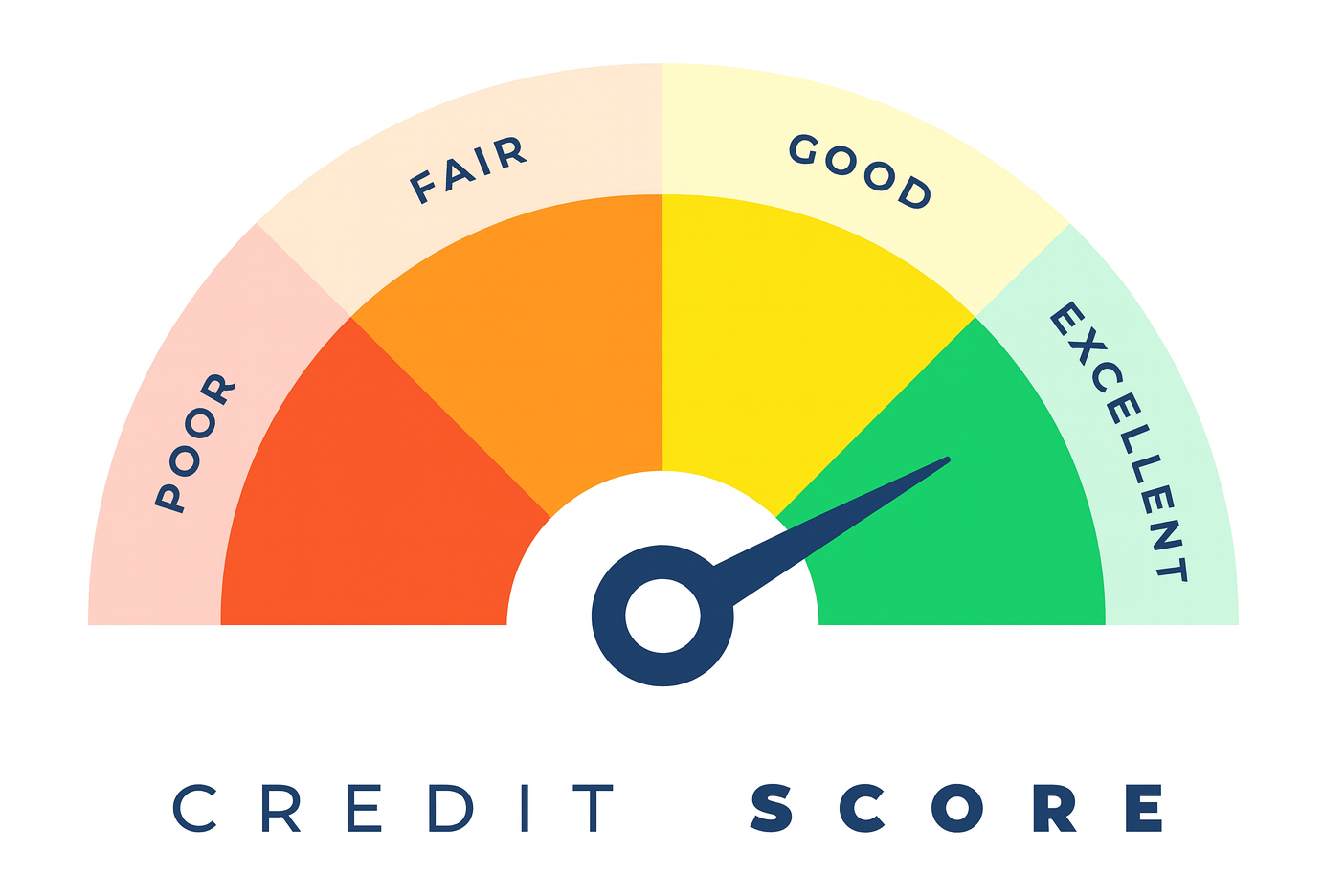
Credit cards can be powerful tools for building credit when used deliberately and consistently.
Understanding how issuers and scoring models evaluate activity helps you make smarter choices.
Small, regular habits often yield better results than occasional drastic moves.
This article outlines practical steps to improve your credit profile using everyday card practices.
With steady habits, most people see measurable change in months rather than weeks.
Understand how credit factors work
Credit scores are shaped by payment history, amounts owed, length of credit, new credit, and credit mix.
Payment history typically has the largest impact, so on-time payments are essential.
Credit utilization — the ratio of balances to limits — influences scores when it rises above modest levels.
Frequent inquiries and very short account ages can also pull a score down.
- Keep utilization under 30%
- Pay on time every month
- Avoid unnecessary inquiries
Focus first on reliably paying at least the minimum due and reducing balances where possible.
These actions create immediate, measurable improvements in your credit picture.
Build consistent, responsible habits
Set up automatic payments or calendar reminders to eliminate missed due dates, which hurt credit more than most other mistakes.
Aim to pay balances in full each month to avoid interest, or at least pay more than the minimum to chip away at debt.
Regularly monitor statements for errors or unauthorized charges that could lead to disputes if left unchecked.
Keeping accounts open and active with occasional, small charges can help length of history and mix.
Consistency is more valuable than perfection; a steady record of on-time payments compounds over time.
Small, repeatable routines will support improvement without adding stress.
Choose and use cards strategically
Select cards that match your goals — low interest for balances, rewards for planned spending, or secured cards for rebuilding.
Consider credit limits carefully; higher limits can lower utilization but should not tempt higher spending.
When opening new accounts, space applications to minimize hard inquiries and preserve account age.
Use a mix of credit types responsibly to diversify your profile without overextending.
- Review terms annually
- Compare fees and rewards
Regularly review card terms and move to better options as your score improves.
Thoughtful selection and disciplined use make cards work for long-term credit growth.
Conclusion
Building credit with cards is a gradual process that rewards consistency.
Prioritize on-time payments, low utilization, and informed card choices.
Over time, these habits produce a stronger credit profile and greater financial flexibility.