Credit scores feel abstract, but a clear plan can move them steadily in the right direction. This article outlines practical, realistic steps you can take whether you are starting from a poor score or recovering after a financial setback. With consistent actions and small changes in behavior, the impact compounds over months and years. The goal here is to create reliable habits that support long-term credit health without drastic sacrifices.
Assess Your Credit Baseline
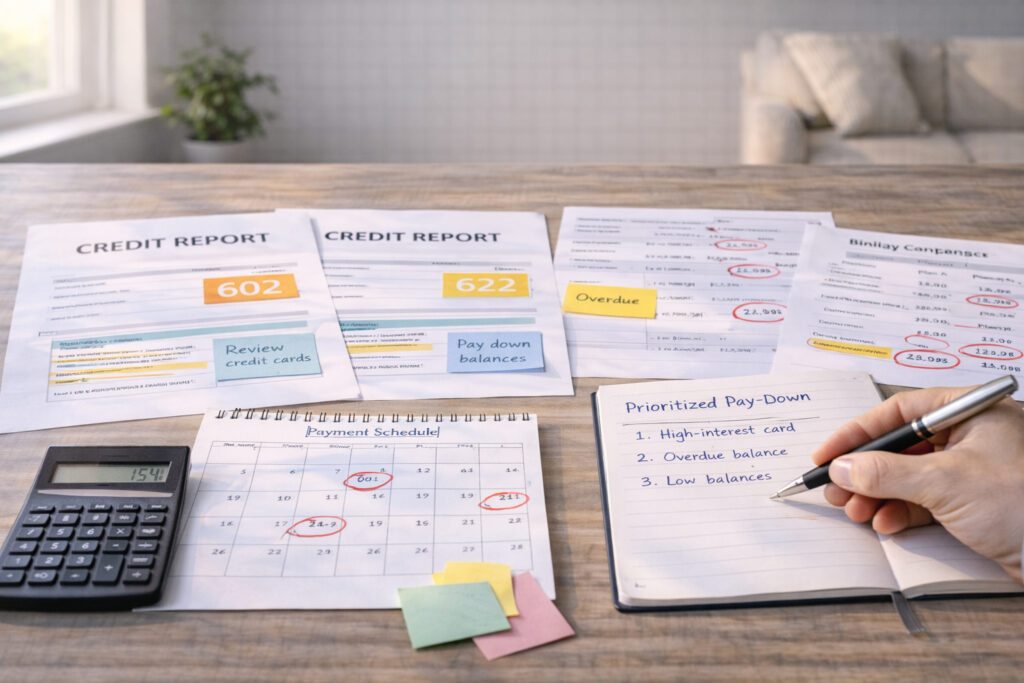
Start by obtaining your credit reports and a current score to understand where you stand and what items are affecting your results. Look for errors, late payments, collections, and high balances relative to limits; each has a different weight in scoring models. Organize findings into categories: disputes, payments to catch up, account closures to avoid, and balances to reduce. Prioritize items that offer the most immediate score improvement and can be resolved quickly.
- Dispute inaccuracies and request corrections where appropriate.
- List accounts with highest utilization and prioritize payments.
- Note any aged derogatory items that may still be negotiated.
Address disputes promptly and document communications with creditors to speed resolutions. Even small corrections can produce meaningful movement in weeks.
Take Focused Short-Term Actions
Lowering your credit utilization is one of the fastest ways to see a score increase, so focus payments on high-ratio accounts first. If you have missed payments, catch up as soon as possible and consider asking for a goodwill adjustment after a period of on-time payments. Avoid opening multiple new accounts at once, since hard inquiries and new credit lines can temporarily lower your score. Small actions like becoming an authorized user on a seasoned account or requesting higher limits can also help.
- Pay down balances on cards near their limits.
- Set up autopay for minimums and schedule extra payments weekly.
- Negotiate with lenders for payment plans before accounts go to collections.
Track the effect of each action over a few billing cycles so you can adjust priorities. Short-term gains compound when paired with the sustainable habits that follow.
Build Sustainable Habits
Long-term credit improvement depends on reliable behaviors you can maintain, not one-off fixes. Keep older accounts open when possible, because account age and payment history length contribute positively to scores. Use a budget to prevent balances from creeping up, and set a target utilization rate well below available limits. Monitor reports regularly to catch issues early and to celebrate progress as scores improve, which reinforces the habit loop.
Automate payments and review statements monthly to stay in control without constant effort. Over time these practices increase stability and lower the risk of setbacks from unexpected expenses.
Conclusion
Improving your credit score is a process of small, intentional choices executed consistently over time. Begin with an honest assessment, prioritize actions that move the needle quickly, and commit to sustainable habits. With patience and discipline you can rebuild credit resilience and open more financial opportunities.