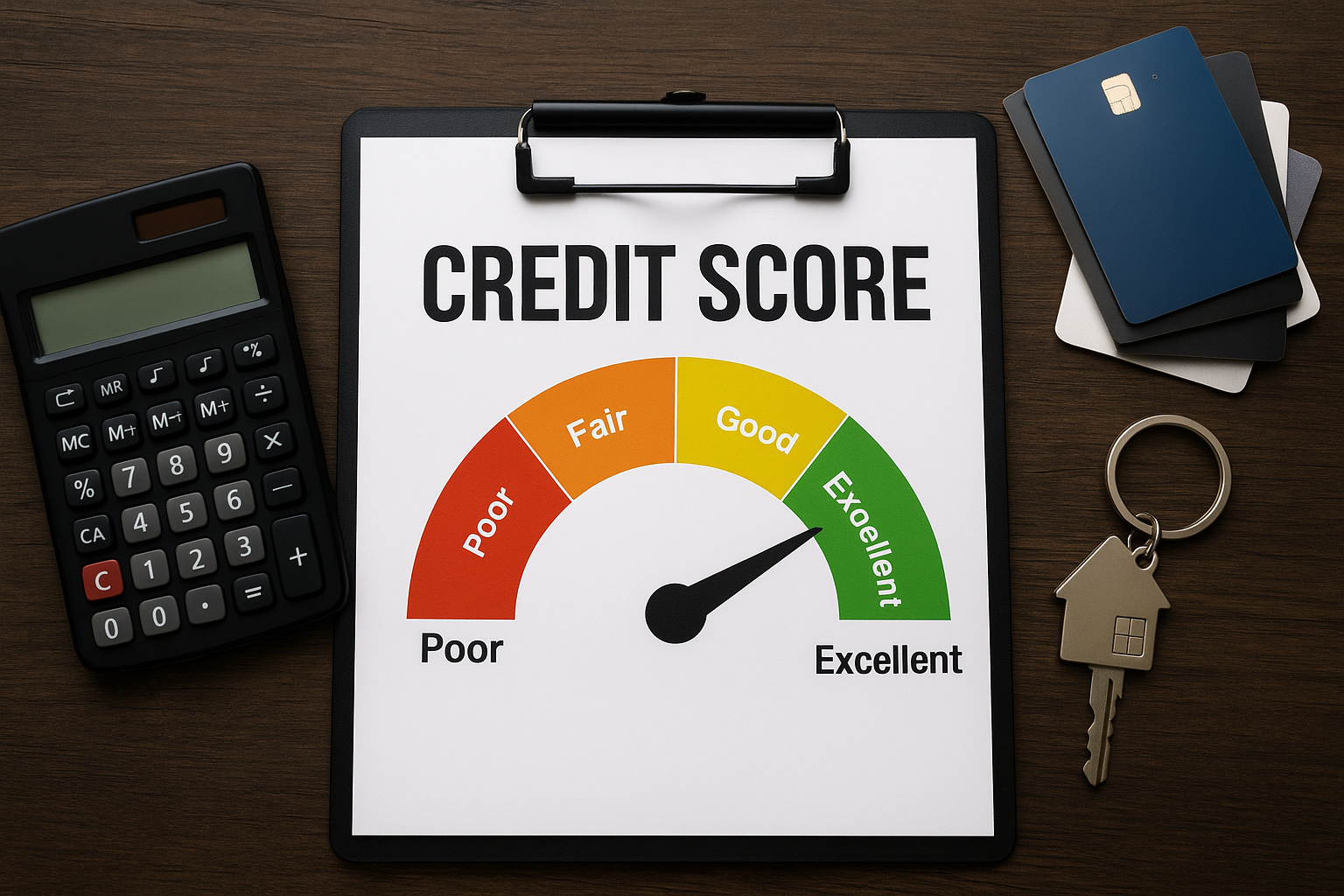
Building credit early in life is one of the smartest financial moves young adults can make. Although it might seem unimportant at first, establishing a positive credit history sets the foundation for numerous financial opportunities and benefits in the future.
1. Easier Approval for Rentals and Utilities
Landlords and utility companies often check credit reports before approving rental applications or service accounts. Having a good credit history shows responsibility and lowers the chances of needing a cosigner or paying a higher security deposit.
2. Access to Better Loans and Credit Cards
Banks and financial institutions look at credit scores when approving loans or credit cards. A strong credit history increases the chances of getting approved and qualifying for products with lower interest rates and better terms, saving money in the long run.
3. Lower Insurance Premiums
In many states, credit scores can influence insurance rates, including car insurance. Good credit often means lower premiums, which results in significant savings over time.
4. Improves Job Prospects
Some employers conduct credit checks as part of their hiring process to assess candidates’ financial responsibility. Building good credit early can prevent any negative impact on employment opportunities.
5. Helps Refinance or Secure Loans in the Future
Whether it’s student loans, mortgages, or car loans, a good credit history can help refinance existing loans at lower interest rates, making repayments more affordable.
How to Build Credit Responsibly
-
Start with a student or secured credit card at age 18.
-
Make payments on time and keep balances low.
-
Monitor credit reports for errors regularly.
-
Avoid opening too many accounts simultaneously.
-
Understand credit utilization and aim to keep it under 30%.