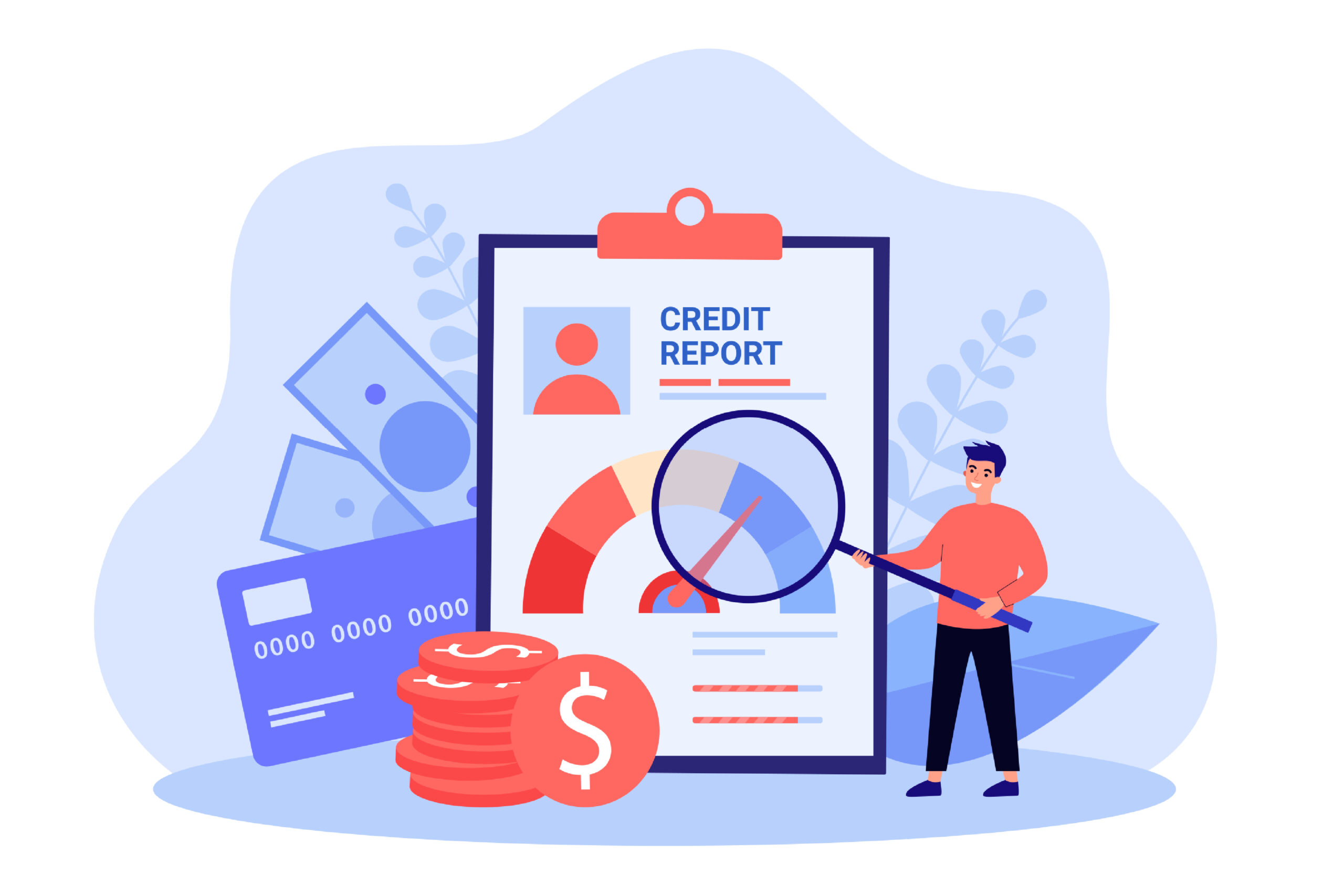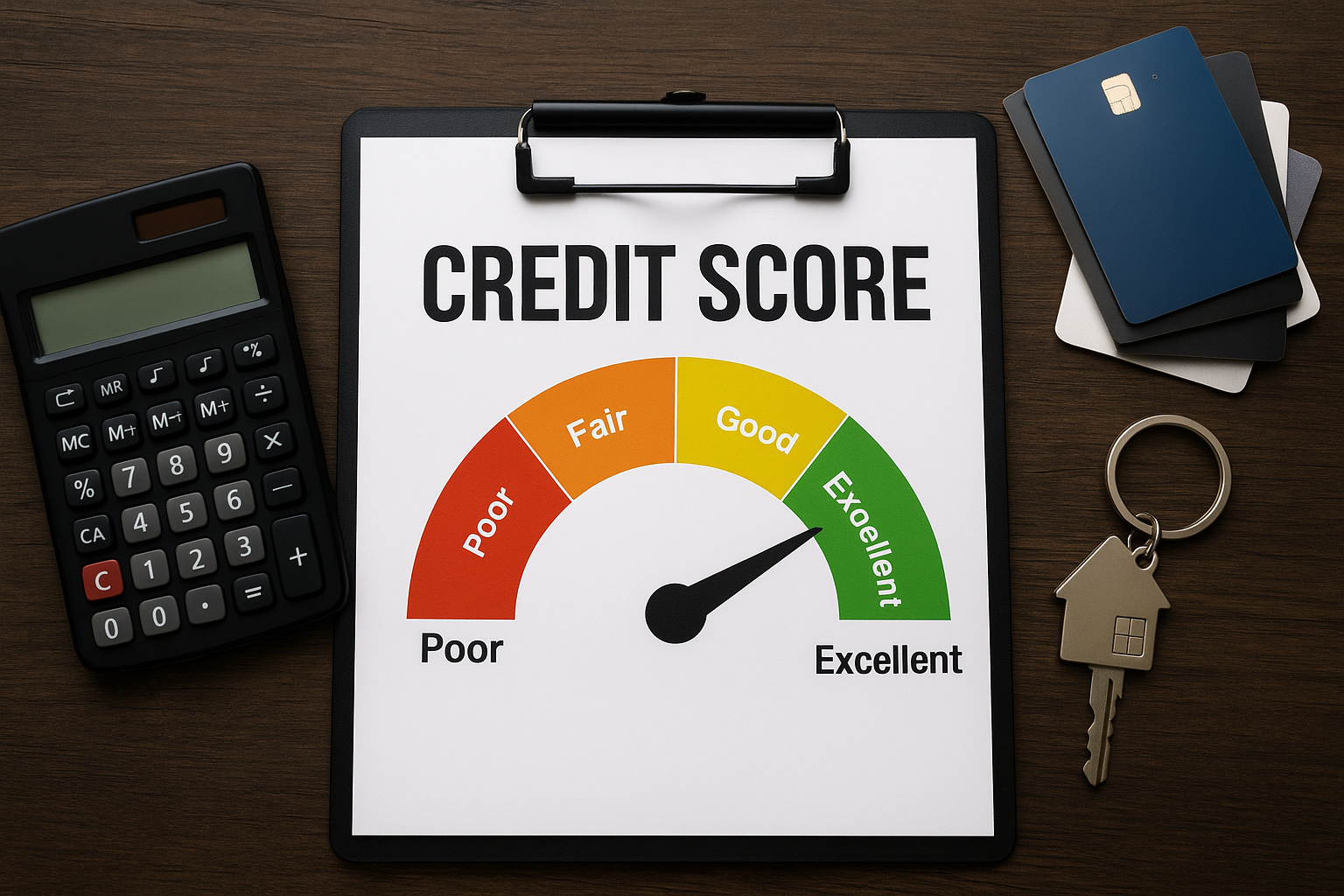
Your credit report is a snapshot of your financial health, and even small errors can hurt your credit score. These mistakes can result from clerical errors, outdated information, or even identity theft. Fortunately, you have the right to dispute inaccuracies and get them corrected.
Step 1: Get a Copy of Your Credit Report
Start by requesting a free copy of your credit report from major bureaus like Experian, Equifax, or TransUnion. Review it carefully for incorrect personal details, wrong account balances, duplicate accounts, or unfamiliar debt.
Step 2: Identify and Document the Errors
Make a list of all errors you find. Gather proof, such as bank statements, payment confirmations, or correspondence with lenders, to support your dispute. Documentation strengthens your case and speeds up the correction process.
Step 3: File a Dispute
You can file disputes online, by phone, or by mail. Clearly explain the issue, attach supporting documents, and request that the bureau investigate. By law, they must respond within 30–45 days.
Step 4: Follow Up
Once the bureau investigates, they will provide a written response. If the correction is made, your credit score may improve. If not, you can add a personal statement to your report explaining the situation.