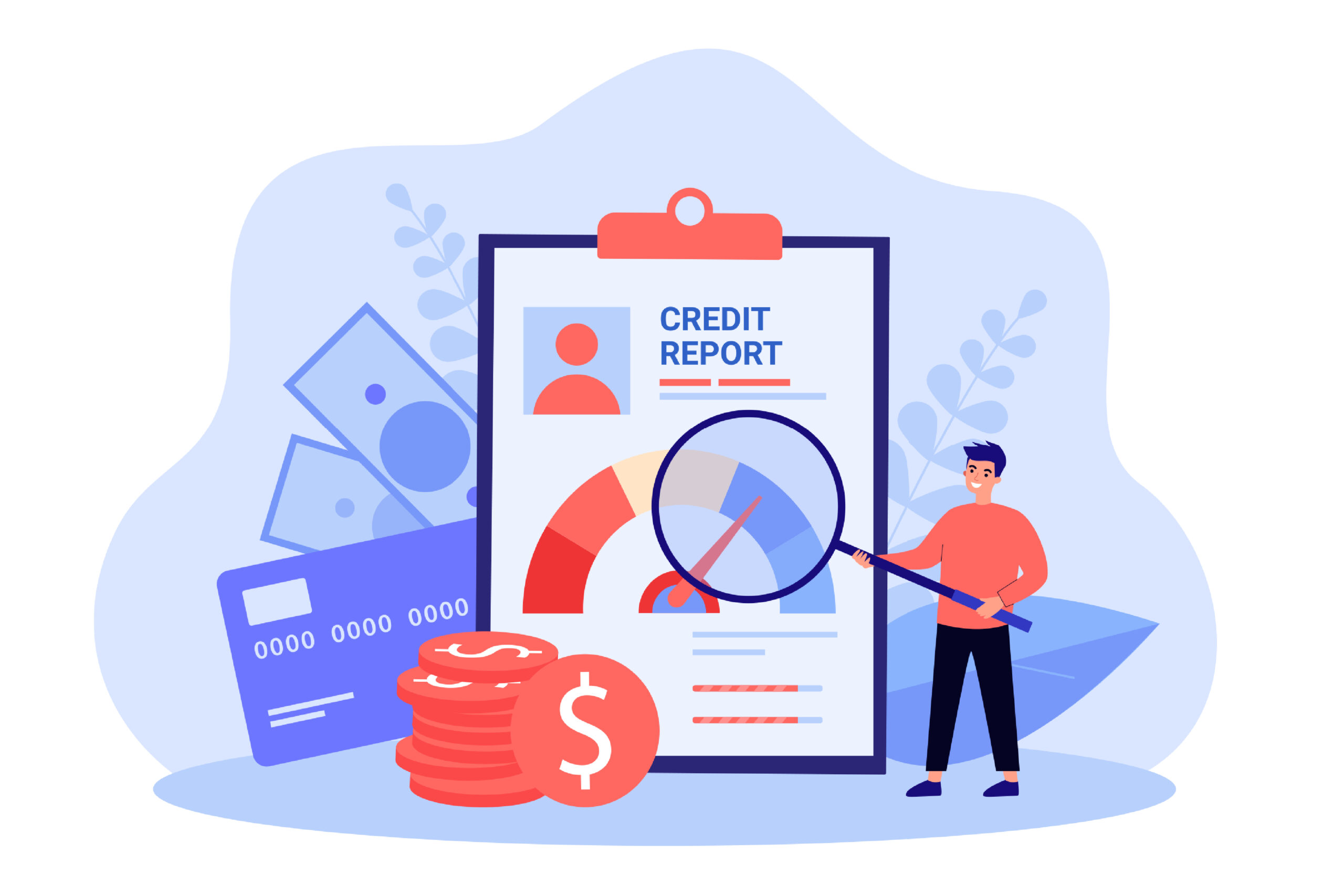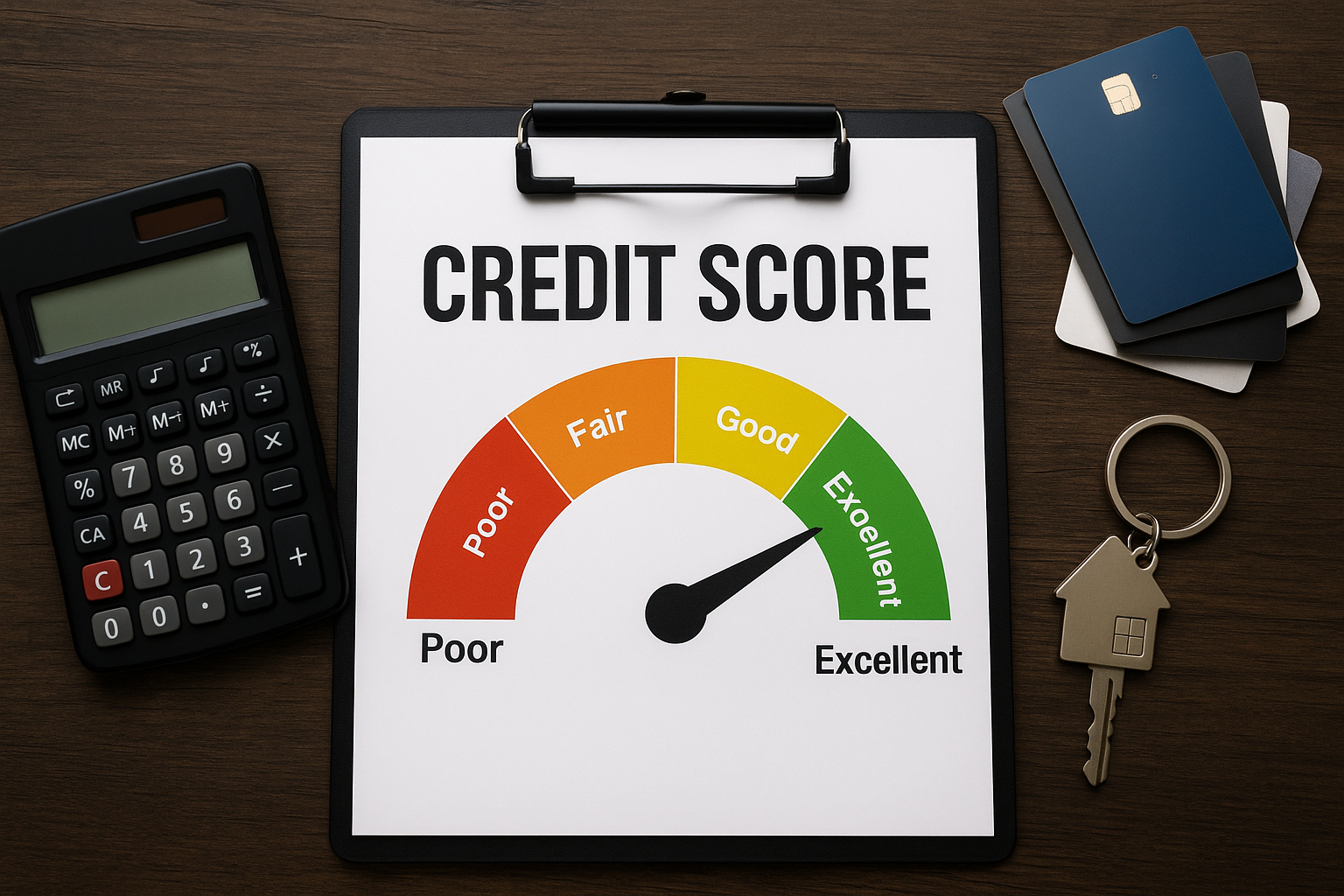
Your credit score reacts to a handful of measurable habits, and two of the most influential are credit mix and utilization. Credit mix refers to the types of accounts you maintain, while utilization describes how much of your available revolving credit you use. Lenders watch both because they offer quick clues about borrowing behavior and repayment discipline. Learn how small shifts in each area can produce noticeable score changes without drastic action.
How credit mix affects perceptions
A diverse credit profile — such as a combination of installment loans and revolving accounts — shows lenders you can handle different repayment structures. That said, mix is a modest factor compared with payment history and utilization, so it shouldn’t drive risky choices like taking on unnecessary debt. If your history is thin, adding a responsibly managed installment or secured account can help broaden the picture over time. Keep in mind the goal is stability, not variety for variety’s sake.
Focus on adding only accounts that fit your real needs and budget. Opening an account and maintaining on-time payments carries more weight than simply holding many account types. Over the long run, consistent behavior matters more than a headline label like “mix.”
Using utilization to your advantage
Utilization measures the percent of your revolving credit that you’re using and tends to move scores quickly. Keeping balances low relative to limits—often below about 30%—is a common guideline, and lower percentages can yield better effects. Timing matters: high balances reported at statement closing can show up on your report even if you pay them off later in the month. Consider making extra payments before a statement date or spreading charges across cards to keep reported utilization down.
Don’t rush to close unused cards to lower apparent debt; that can shrink your available credit and raise utilization. Instead, aim to maintain low reported balances and use cards occasionally to keep accounts active.
Practical steps to adjust both
Start by reviewing your credit reports for accuracy and identifying which cards are driving utilization. Ask for credit limit increases on long-held accounts, move balances to lower-rate cards responsibly, and set up autopay to protect your payment history. If you lack account variety, consider small, well-managed installment options like a credit-builder loan or a secured card, but only when they fit your financial plan.
Regular monitoring and steady, affordable actions beat quick fixes. Small, consistent improvements in mix and utilization compound into better scores over time.
Conclusion
Credit mix and utilization don’t work in isolation; they combine with payment history and account age to shape your score. Prioritize low reported balances and thoughtful account choices rather than chasing immediate gains. With steady habits and occasional adjustments, you can move your score in a meaningful, lasting way.