Your credit score is one of the most important indicators of your financial health, and one major factor that influences it is credit utilization. Simply put, this measures how much of your available credit you’re using — and it can make or break your credit profile. Understanding and managing this ratio wisely can help you maintain a strong credit score and greater financial flexibility.
Understanding Credit Utilization
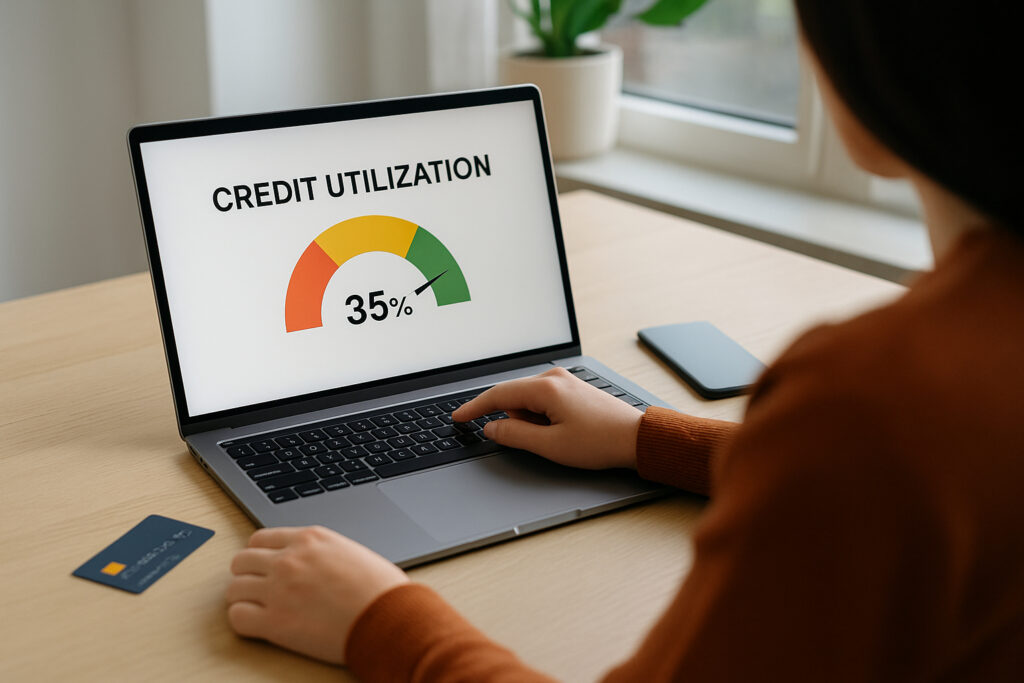
Credit utilization is the percentage of your total revolving credit limit that you’re currently using. It applies mainly to credit cards and lines of credit. For example, if you have a total credit limit of $10,000 across all cards and carry a $3,000 balance, your utilization rate is 30%.
This number tells lenders how responsibly you manage your available credit. High utilization suggests financial strain or overspending, while a low utilization rate signals good credit management.
The Ideal Credit Utilization Ratio
Credit scoring models like FICO and VantageScore both consider credit utilization a key component — it typically makes up about 30% of your total score.
As a general rule:
-
Below 10%: Excellent – shows strong financial control.
-
10–30%: Good – generally safe and helps build your score.
-
Above 30%: Risky – may lower your credit score and raise lender concerns.
The goal is to use your credit but not depend on it heavily. Keeping your balances low relative to your limits demonstrates responsible financial behavior.
Why Credit Utilization Matters
Credit utilization affects how lenders perceive your credit risk. When your credit card balances are high compared to your limits, lenders may assume you’re struggling to manage debt, even if you pay on time. This can temporarily lower your credit score and reduce your chances of getting approved for new loans or favorable interest rates.
Maintaining a low utilization rate, on the other hand, can improve your score and help you qualify for better financial products like low-interest credit cards, mortgages, and auto loans.
Smart Tips to Manage Credit Utilization
You don’t need to make drastic changes to keep your utilization healthy. A few small habits can make a big difference:
-
Pay your balance early — before your statement closes, so the lower balance gets reported to credit bureaus.
-
Make multiple payments per month if you use your card often.
-
Request a credit limit increase to expand available credit (but don’t increase spending).
-
Spread purchases across multiple cards instead of maxing out one.
-
Avoid closing old cards, since that reduces your total available credit.
Conclusion
Your credit utilization rate is a vital piece of the credit score puzzle. Keeping it low shows lenders that you manage debt wisely, helping you maintain a strong credit score and greater financial freedom. By monitoring your balances and making small strategic payments, you can take full control of your financial future.