Financial setbacks can happen to anyone—whether due to job loss, unexpected medical bills, or overspending. While these challenges may negatively affect your credit score, the good news is that recovery is possible with consistent effort and smart financial decisions. Rebuilding your credit won’t happen overnight, but with patience and the right strategies, you can get back on track.
1. Review Your Credit Report
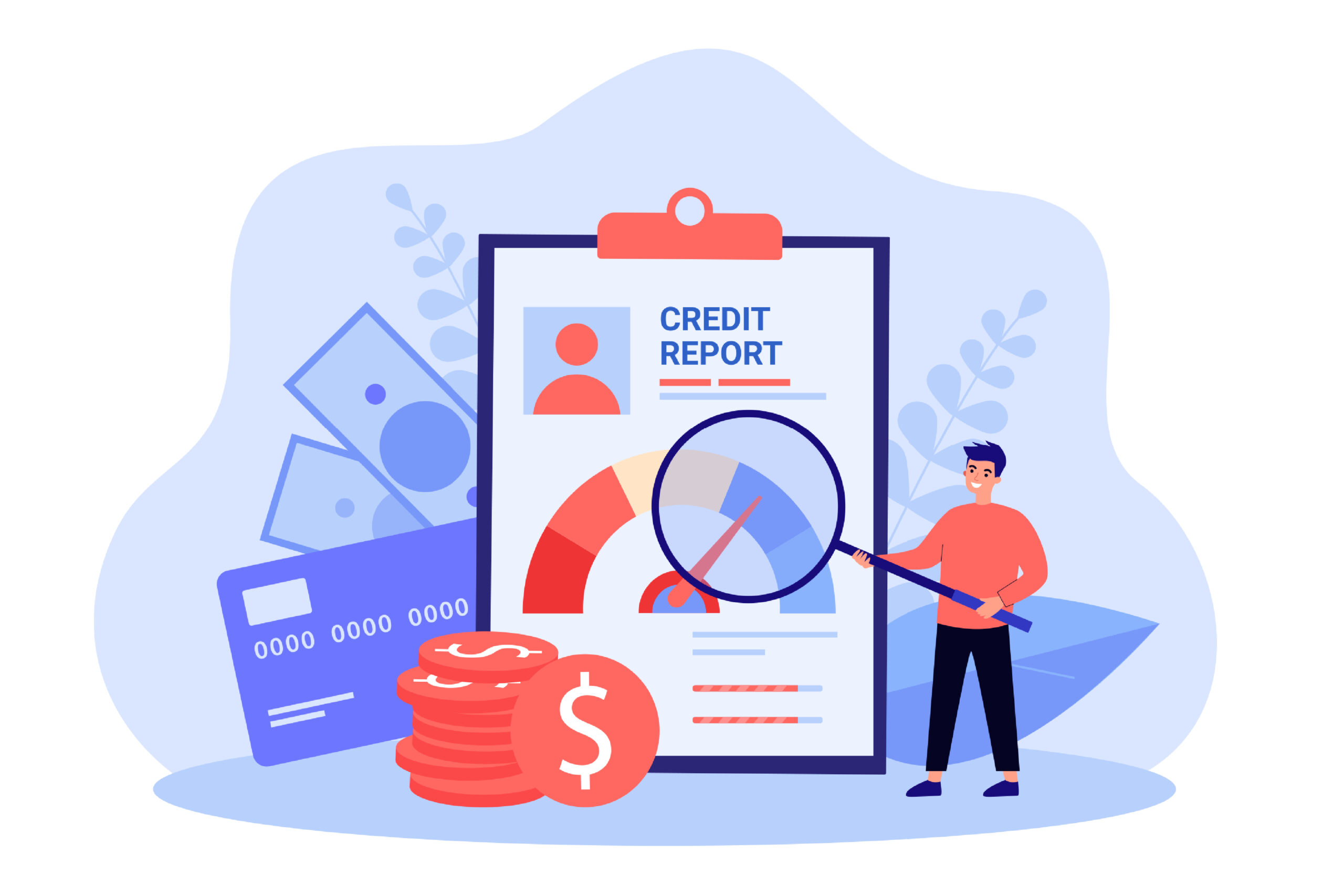
Start by pulling your credit report from the major credit bureaus. Check for errors such as incorrect balances or outdated accounts, as these can drag your score down unnecessarily. Dispute inaccuracies immediately to ensure your report reflects your actual financial standing.
2. Pay Bills on Time
Payment history is one of the most significant factors influencing your credit score. Set reminders or automate payments to ensure you never miss due dates. Even small, consistent on-time payments can make a big difference over time.
3. Reduce Outstanding Debt
Focus on lowering your credit card balances and paying down loans. Try using the debt snowball method (paying off the smallest debts first) or the avalanche method (tackling high-interest debts first). Both strategies help reduce your credit utilization ratio, a critical factor in improving your score.
4. Consider a Secured Credit Card
If traditional credit options are limited, applying for a secured credit card can help. With these cards, you make a cash deposit that serves as your credit limit. Responsible use—making small purchases and paying them off in full—can rebuild your credit profile.
5. Avoid Closing Old Accounts
Even if you’re not using certain credit cards, keeping them open can benefit your credit score by maintaining a longer credit history and higher available credit. Just make sure they don’t carry annual fees.
6. Be Patient and Stay Consistent
Rebuilding credit takes time, usually several months to a few years, depending on your financial situation. Focus on steady improvement, avoid quick-fix schemes, and remind yourself that every positive financial choice adds up.
Final Thoughts
A financial setback doesn’t have to define your future. By taking deliberate steps—reviewing your credit, paying on time, reducing debt, and building healthy financial habits—you can rebuild your credit score and regain financial stability. Think of this journey as an opportunity to establish stronger, more sustainable money management practices for the years ahead.