Rebuilding credit is less about one big move and more about consistent monthly habits.
Small, deliberate actions compound over time to repair missed payments, lower balances, and demonstrate reliability.
This article outlines practical steps to take each month so progress is measurable and steady.
Follow these habits and adjust as needed to fit your budget and credit goals.
Review and Understand Your Credit Reports
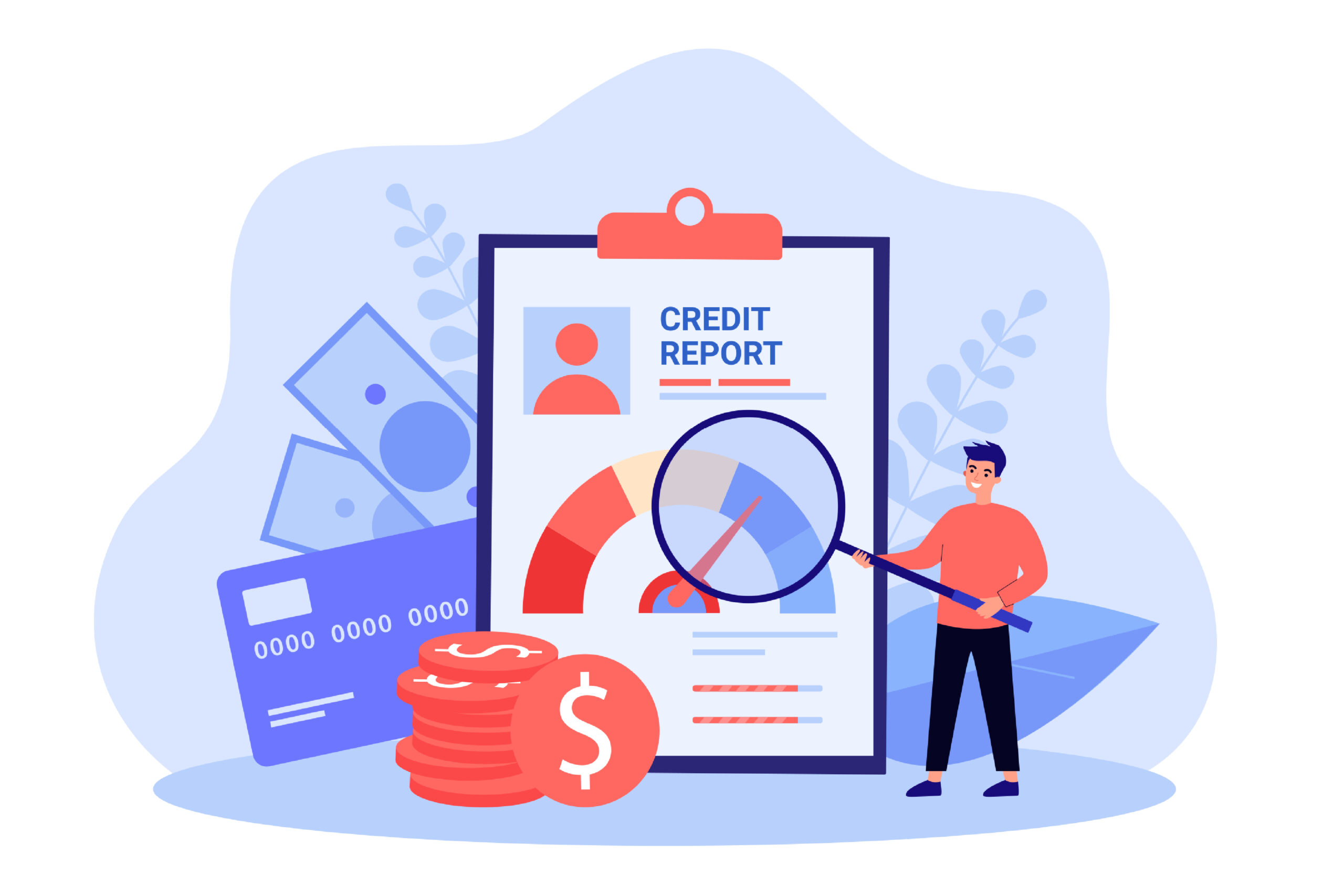
Get your credit reports from the major bureaus and review them carefully for errors, outdated entries, or accounts you don’t recognize. Disputing inaccuracies can remove negative items that drag your score down, and understanding the reports helps you target the right behaviors. Look at the details: payment history, credit utilization, account age, and types of credit. This knowledge makes monthly planning more effective.
Schedule a quarterly check to catch issues early and note any changes in your credit mix. Early detection prevents surprises and supports steady improvement.
Prioritize On-Time Payments and Lower Utilization
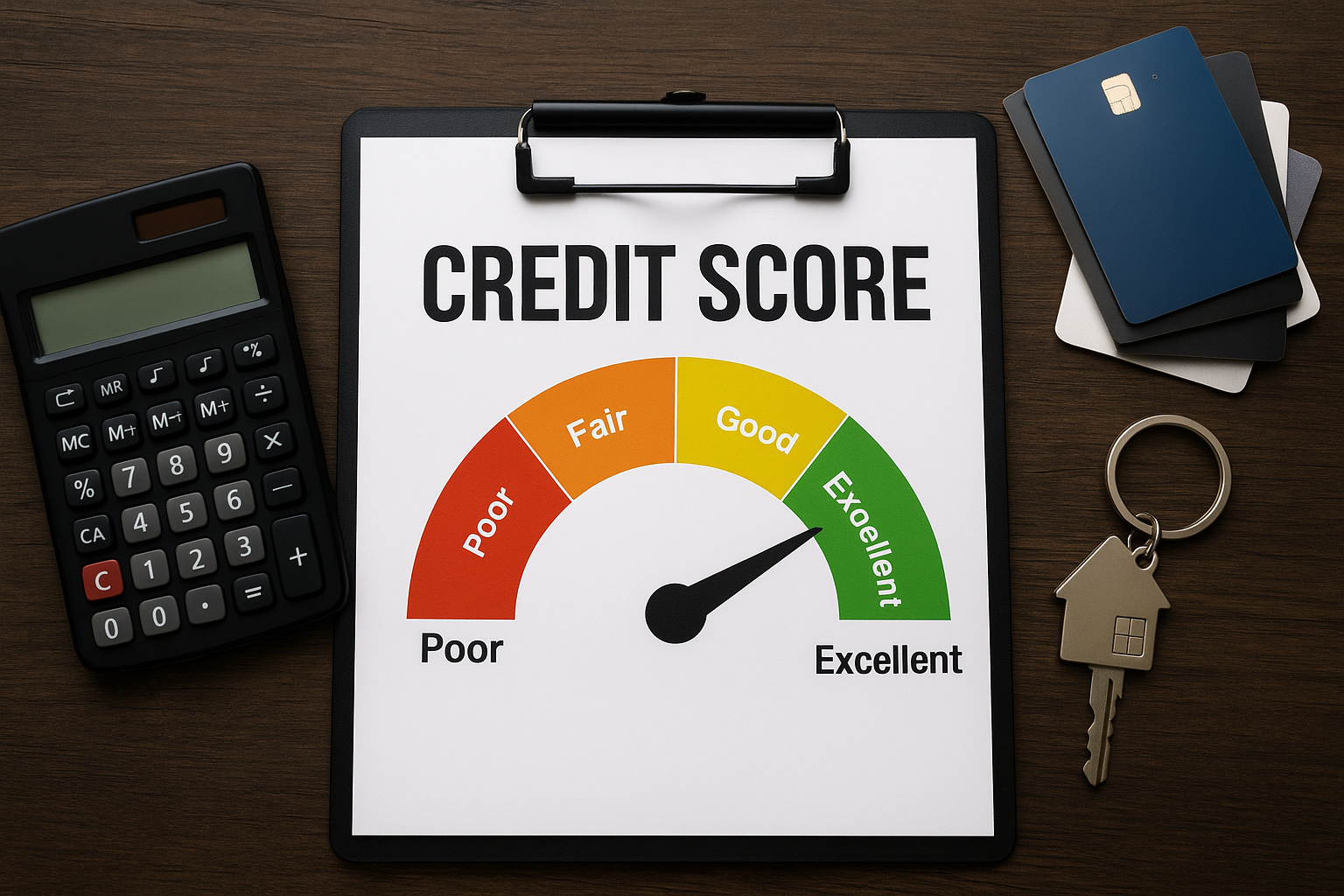
Consistently paying on time is the single most influential habit for rebuilding credit, so set up autopay or calendar reminders to avoid late payments. Aim to pay more than the minimum when possible to reduce interest and shorten the repayment timeline. Keep credit utilization low by paying down revolving balances and, if feasible, requesting small credit line increases rather than opening new accounts. Lower utilization and a spotless payment record together signal lower risk to lenders.
Even modest extra payments each month accelerate progress and improve your utilization ratio. Over time, these changes strengthen your credit profile.
Use Credit-Building Tools Strategically
Consider credit-building tools like secured credit cards or a credit-builder loan to demonstrate responsible borrowing when traditional credit is limited. Becoming an authorized user on a seasoned account can help if the primary user has strong history. Avoid frequent hard inquiries and new accounts that can temporarily lower your score. Use these tools with discipline and a clear plan for repayment.
Choose one or two tools that match your needs and commit to monthly, predictable behavior with them. Consistency pays off more than chasing quick fixes.
Avoid Common Pitfalls and Stay Patient
Resist the urge to open multiple new accounts rapidly; each hard inquiry and short-lived account can temporarily nudge your score downward. Be wary of high-interest rescue products and pay-day style options that promise fast improvement but trap you in cycles of debt. Maintain an emergency buffer so monthly payments remain on track during unexpected expenses. Patience matters: many positive changes need several months to reflect on reporting cycles and update scores.
Set realistic timelines and track small wins monthly to stay motivated. Slow, steady improvements are the most durable route to stronger credit.
Conclusion
Rebuilding credit takes time, but reliable monthly habits produce measurable results.
Focus on accurate reporting, timely payments, and responsible use of credit tools.
Regular review and small improvements will build lasting credit strength.