A quick, steady rise in your credit score comes less from dramatic moves and more from everyday habits. Small changes — a timely payment here, a lower balance there — compound over months. This article focuses on practical, repeatable steps you can start this week. No jargon, no risky tricks; just simple behaviors that improve how lenders see you.
Track and Understand Your Credit Report
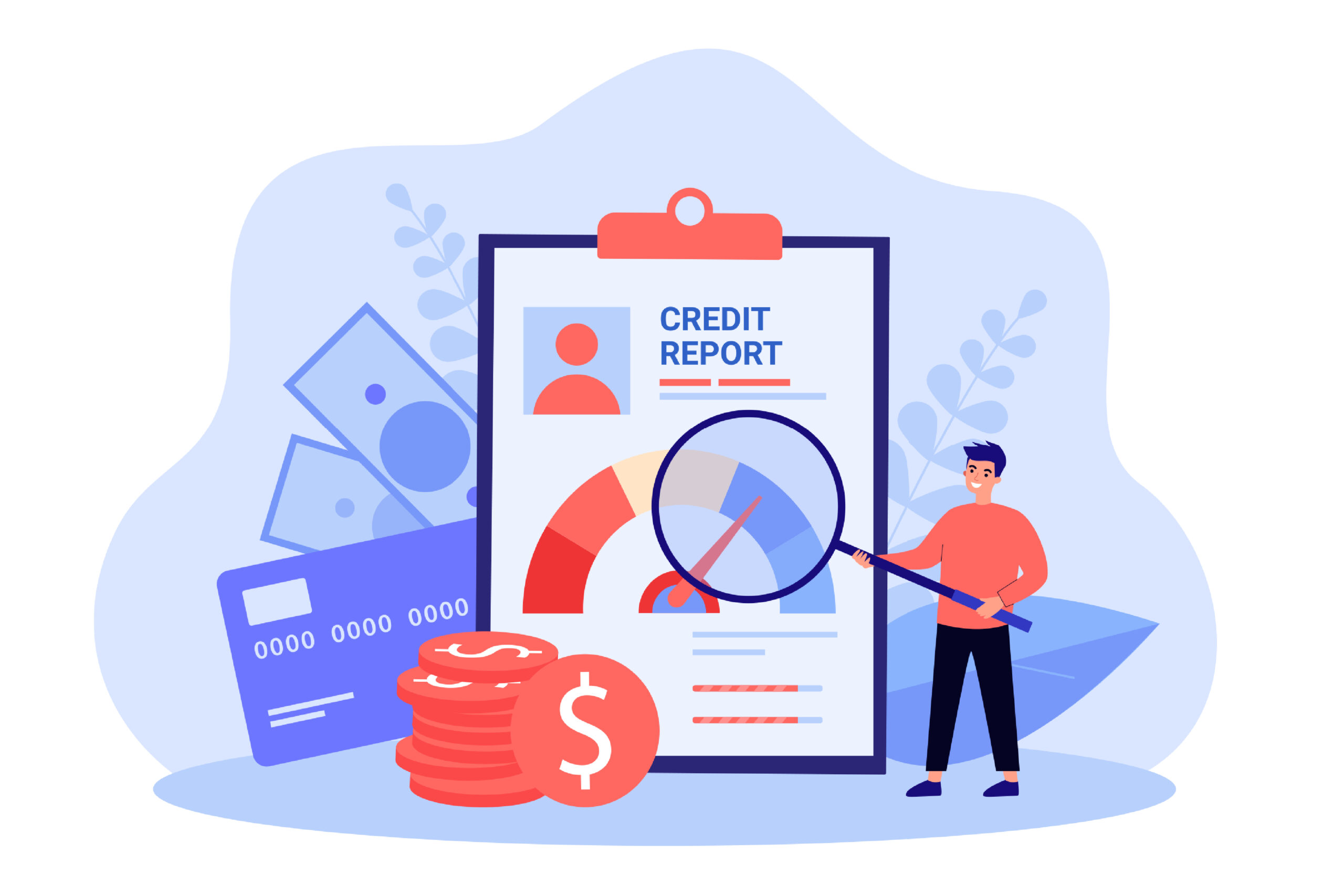
Knowing what appears on your credit report is the first step to improvement. Order your report and scan it for errors, unfamiliar accounts, or outdated debts that drag scores down. Disputing inaccuracies and addressing accounts you recognize puts you back in control of the baseline score.
- Check reports from major bureaus at least once a year.
- Note unfamiliar entries and gather documentation before filing disputes.
Regular review trims surprises and gives you a clear list of priorities. The time you spend understanding the report often saves months of guessing and missteps.
Tame Balances and Payment Patterns
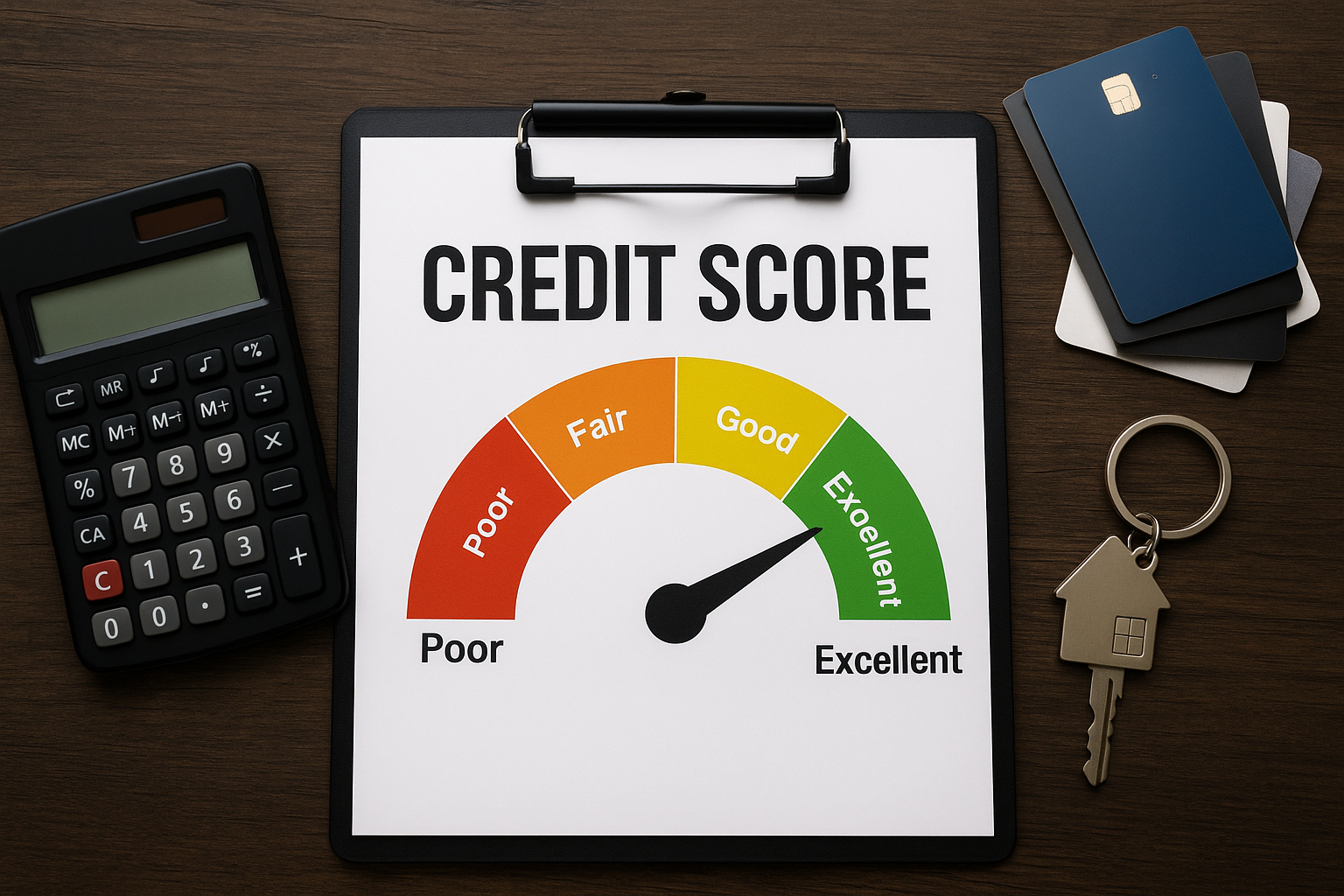
Payment history makes up the largest portion of most scoring models, so on-time payments matter more than occasional extra payments. Set calendar reminders or autopay for at least the minimum to avoid late marks. Reducing credit utilization — the ratio of balances to limits — often yields noticeable gains once balances dip below about 30 percent. Focus on steady reductions rather than maxing out new cards, which can signal risk to creditors.
- Pay down the highest-rate or highest-balance accounts first.
- Make multiple small payments across the month to lower reported balances.
Consistency beats occasional heroics when it comes to repayments. Small, frequent wins add up and keep your score moving in the right direction.
Use Credit Wisely and Build Positive History
Length of credit history and account mix also influence scores, so keep long-standing accounts open when they cost little. A secured card or a small installment loan used responsibly can add positive activity if you have a thin file. Avoid opening many new accounts at once; multiple inquiries can suppress scores temporarily. Think of each credit decision as a public record that sticks around — aim for consistent, predictable behavior.
- Keep older accounts active with occasional, small charges paid off monthly.
- Add one well-managed account at a time to broaden your credit mix.
Building a reliable credit profile takes time but relies on simple choices. Treat credit like a long-term relationship rather than a series of quick fixes.
Conclusion
Improving credit is mostly about patience and repetition rather than quick fixes. Adopt a few manageable habits, monitor progress, and let steady results add up. Over time those small choices will open better rates and more financial options.