Improving a credit score rarely happens overnight.
Small, consistent actions compound into meaningful change.
This article outlines practical steps you can use each month to make steady progress.
The focus is on sustainable habits that protect your financial reputation while avoiding risky shortcuts.
Why your credit score changes matter
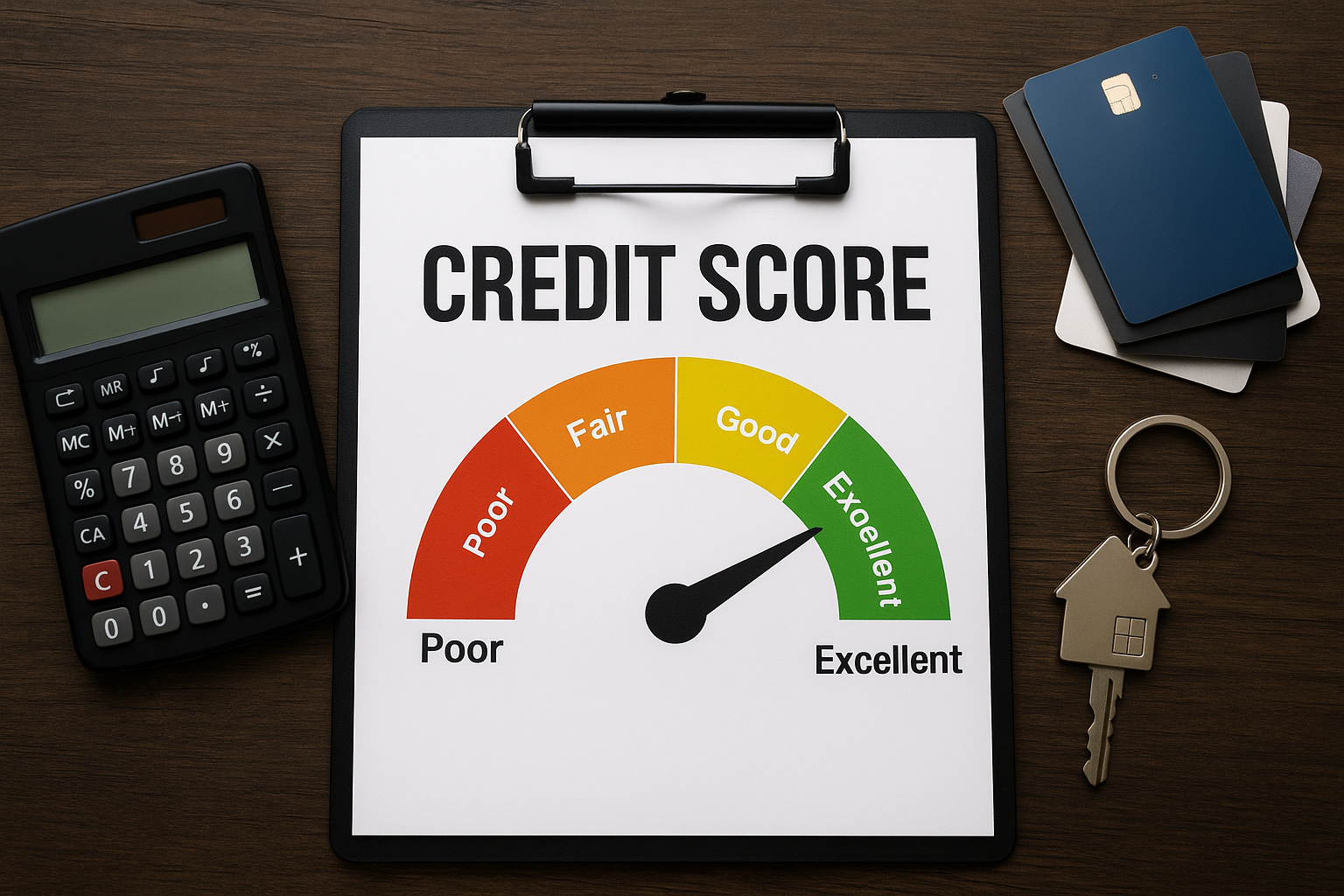
Your credit score affects more than loan rates; it influences rental approvals, insurance premiums, and sometimes job screening processes. Small point gains can translate into significant savings over time, so incremental improvement is worth pursuing. Understanding the components of your score—payment history, utilization, length of history, new credit, and account mix—helps you target the most effective actions. Prioritizing the areas with the biggest impact will accelerate progress without unnecessary complexity.
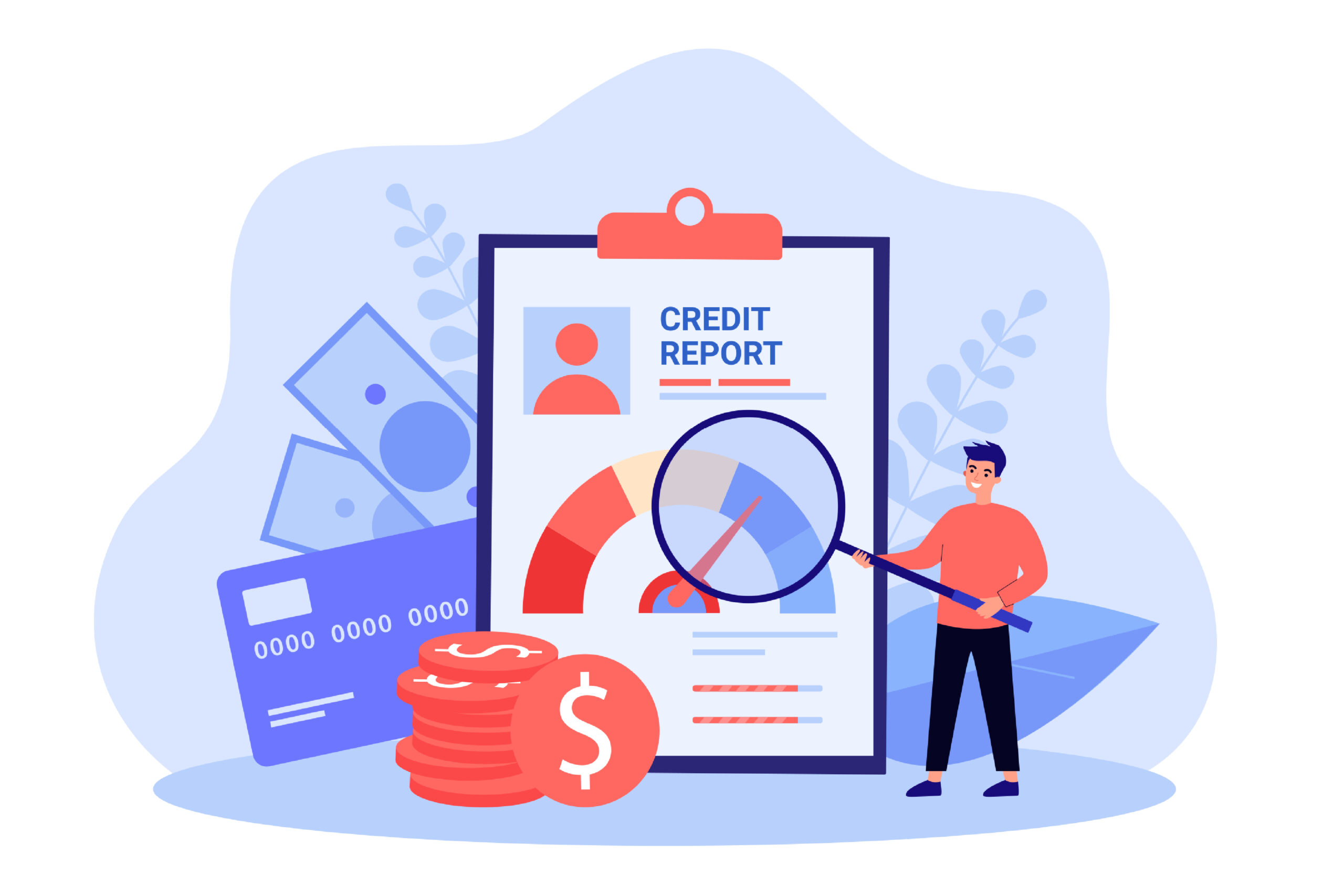
Start by reviewing your credit report for errors and unfamiliar accounts, as inaccuracies can drag your score down. Regular monitoring helps you catch identity issues and verify that improvements are reflected in your profile.
Concrete actions to raise your score
Focus on three to five repeatable behaviors that fit your budget and schedule so improvement becomes automatic. Pay on time every month and set reminders or autopay for at least the minimum due to avoid late payments that harm your score. Lower your credit utilization by paying down balances and keeping card usage well below available limits. Avoid opening multiple new accounts in a short span, which can temporarily reduce your average account age and trigger inquiries.
- Pay bills by or before the due date to protect payment history.
- Target utilization under 30 percent, and ideally under 10 percent for faster gains.
- Keep older accounts open to maintain length of history when it makes sense.
Combine these actions into a simple monthly routine: check balances, schedule payments, and review one line item on your credit report. Over time this disciplined approach builds a stronger, more resilient score.
Staying on track and avoiding setbacks
Set realistic milestones and celebrate small wins to maintain motivation during a multi-month process. If you face a financial setback, communicate with lenders—many offer hardship plans that prevent late payments from being reported. Re-evaluate your budget periodically to ensure you can sustain the behaviors that drive improvement. Use alerts and automatic transfers to reduce the chance of human error undermining progress.
Persistence matters more than perfection; a short misstep can be corrected with consistent follow-up. Keep learning and adjust strategies as your credit situation evolves.
Conclusion
Gradual credit improvement relies on repeatable, manageable habits.
Focus on timely payments, sensible utilization, and regular monitoring.
With a consistent approach, your score will reflect steady, lasting gains.