Tiny On-Time Wins: How Minor Payments Lift Scores

Improving your credit score doesn’t always require massive financial shifts or major debt repayments. Often, the secret lies in small, consistent wins—tiny payments made on time that gradually build a record of financial reliability. These micro-actions can have a surprisingly large impact over time, helping your score rise steadily and sustainably.

The Power of Punctuality

Credit scoring models heavily favor consistency. Each time you make a payment on or before the due date, it signals to lenders that you’re dependable and financially disciplined. Even if the amount is small, like a minimum balance on a credit card or a small utility bill—on-time payments demonstrate reliability and reduce the risk associated with lending to you.

Why Small Payments Matter

Credit systems don’t just measure how much you pay—they measure how consistently you pay. Paying smaller bills promptly helps establish a stable financial rhythm that lenders value. Over time, these consistent behaviors help build a strong payment history, which makes up a significant portion of your credit score.

Turning Micro Payments into Macro Impact

The key is automation. Setting up automatic payments for recurring bills—such as phone plans, subscriptions, or low-balance loans—ensures you never miss a due date. These automated habits create momentum, reinforcing positive behavior without requiring constant attention. Over months, these punctual transactions accumulate, contributing to gradual but lasting score improvement.

Building Confidence Through Consistency

Small payments also have a psychological advantage: they build financial confidence. Seeing your credit score improve through small, manageable actions reinforces motivation and creates momentum for larger goals, like clearing high-interest debt or saving for future milestones. The satisfaction of steady progress turns financial discipline into a rewarding routine.

Conclusion

Tiny, timely payments may seem insignificant, but together they form the foundation of a strong credit profile. By prioritizing punctuality over size, you send a consistent message of trustworthiness to lenders. In the long run, these small, on-time wins don’t just lift your score, they reshape your entire financial outlook, one payment at a time.

The Impact of Hard vs. Soft Inquiries on Your Score

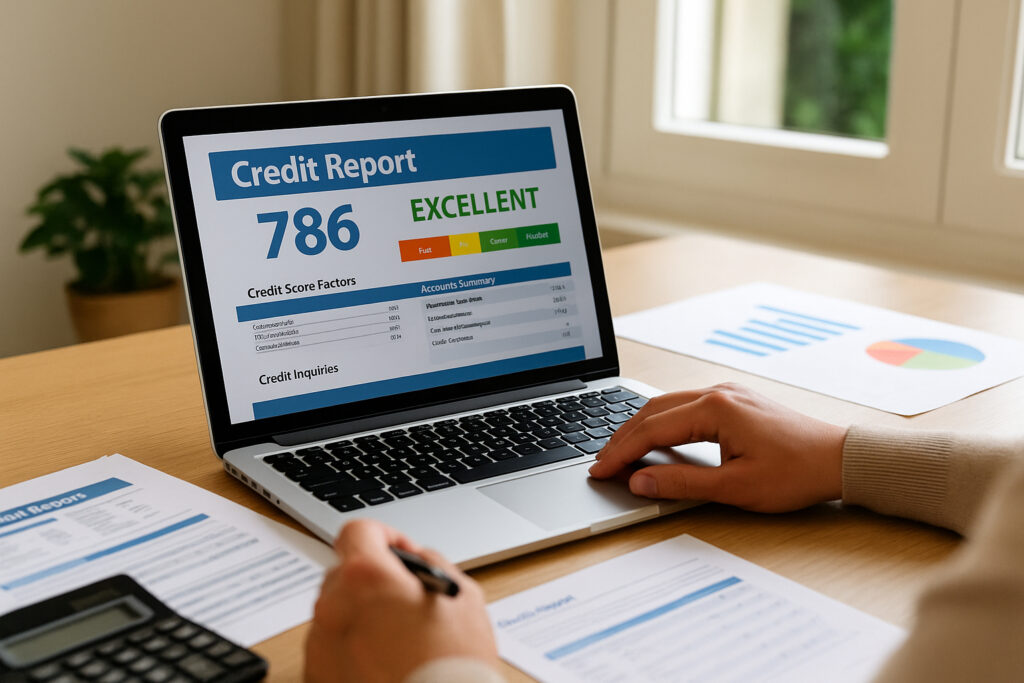
Credit inquiries play a subtle but important role in determining your credit score. Whether you’re applying for a loan, credit card, or even a new apartment, lenders often check your credit history to assess risk. However, not all credit checks are the same. Understanding the difference between hard and soft inquiries—and how they affect your score—can help you manage your credit health more effectively.

What Is a Hard Inquiry?

A hard inquiry occurs when a financial institution checks your credit report as part of a lending decision. This usually happens when you apply for credit—such as a mortgage, car loan, or new credit card. Because it indicates that you’re actively seeking new debt, a hard inquiry can temporarily lower your credit score by a few points, typically between 5 and 10.

While one or two hard pulls aren’t a big deal, multiple inquiries in a short time can signal risk to lenders. For example, applying for several credit cards within a few weeks may make it seem like you’re taking on too much debt. Fortunately, credit scoring models like FICO and VantageScore treat multiple inquiries for the same type of loan (such as a mortgage or auto loan) made within a short period—usually 14 to 45 days—as a single inquiry.

What Is a Soft Inquiry?

A soft inquiry, by contrast, does not impact your credit score. These checks occur for informational or background purposes rather than lending decisions. Examples include checking your own credit report, prequalification offers, or employer background checks. Because they aren’t linked to a specific credit application, soft inquiries remain visible only to you and don’t affect how lenders view your creditworthiness.

When and How to Manage Inquiries Wisely

If you’re planning a major purchase, it’s smart to minimize unnecessary hard pulls. Avoid applying for multiple lines of credit at once, and space out applications when possible. You can also use prequalification tools—these use soft inquiries—to see potential loan terms without affecting your score. Regularly reviewing your credit report ensures accuracy and helps you catch any unauthorized hard inquiries, which could be signs of identity theft.

How Long Inquiries Stay on Your Report

Both hard and soft inquiries appear on your credit report for up to two years, but only hard inquiries influence your score. Even then, their effect fades over time, typically disappearing from scoring calculations after about 12 months. Maintaining consistent on-time payments and low credit utilization has a much greater impact on your score than a few inquiries.

Conclusion

Credit inquiries are a small but meaningful part of your financial picture. While hard inquiries can slightly lower your score, their impact is temporary and manageable. By understanding when and how to apply for credit strategically, you can protect your credit health and continue building a strong, reliable financial foundation.

How Student Loans Affect Your Credit Score

Student loans are often the first major financial responsibility many young adults take on. While they make education accessible, they also become a long-term commitment that impacts credit health. Understanding how these loans influence your credit score can help you make smarter borrowing and repayment decisions that support your future financial goals.

Student Loans Build Credit History

One of the biggest advantages of having student loans is that they help establish a credit history. Credit bureaus track how you manage your loans—whether you make payments on time and how consistently you do so. Because student loans are installment accounts, they show your ability to handle structured, long-term debt. Regular, on-time payments can help build a solid foundation for your credit profile, which is essential for future goals like renting an apartment, buying a car, or applying for a mortgage.

Late Payments Can Lower Your Score

On the flip side, missed or late payments can seriously hurt your credit score. Most lenders report missed payments after 30 days, and these marks can remain on your report for up to seven years. Even one late payment can lower your score and make it harder to qualify for favorable interest rates later. Setting up auto-pay or reminders through your loan servicer’s portal is an easy way to stay current and avoid penalties that damage your credit.

Loan Balances and Credit Utilization

While revolving accounts like credit cards rely heavily on utilization ratios, installment loans like student debt affect your score differently. The total loan balance compared to the original amount still plays a role, but less significantly. Over time, as your balance decreases, it shows lenders that you’re responsible and capable of managing debt, gradually improving your score. Keeping your accounts in good standing is more important than paying them off early if it strains your budget.

Diversifying Your Credit Mix

Credit scoring models also consider the variety of accounts you manage. Having a mix of installment loans (like student loans) and revolving credit (like credit cards) can slightly boost your score. Student loans demonstrate long-term repayment capability, which complements other forms of credit and builds overall financial credibility. However, it’s best to manage this mix wisely—avoid taking on new debt just for the sake of improving your score.

Conclusion

Student loans can either strengthen or weaken your credit score depending on how you manage them. Consistent, on-time payments and steady progress toward repayment build trust with lenders and set you up for financial success. Treating your student loans as both an educational and financial responsibility can help you graduate with more than just a degree—it helps you build lasting credit health.

Renting a Home? Your Credit Score Might Matter

When it comes to renting a home in the U.S., your credit score can play a bigger role than you might think. While most people associate credit scores with loans or credit cards, landlords and property managers often use them to assess a renter’s financial reliability. Whether you’re applying for your first apartment or moving into a new neighborhood, understanding how your credit impacts rental decisions can help you prepare — and improve your chances of approval.

Why Landlords Check Credit Scores

A credit score gives landlords a snapshot of your financial behavior. It reflects how consistently you pay bills, manage debt, and handle credit over time. A higher score signals financial responsibility, suggesting you’re more likely to pay rent on time. Most landlords in the U.S. check credit reports through agencies like Experian, Equifax, or TransUnion to evaluate rental applications. Some property managers also use tenant screening services that include credit history, income verification, and rental background checks.

What Credit Range Landlords Look For

While there’s no universal requirement, many landlords prefer tenants with a credit score of at least 650. In competitive rental markets — especially in large cities — higher scores (above 700) can give applicants an advantage. However, a lower score doesn’t automatically mean rejection. Many property owners consider other factors such as proof of steady income, references, or a larger security deposit. Some even allow co-signers to strengthen an application.

How to Strengthen Your Rental Application

If your credit score isn’t perfect, there are still ways to make your application stand out. Providing recent pay stubs, bank statements, and letters of recommendation from previous landlords can build trust. Offering to set up automatic payments or prepaying a few months’ rent can also reassure landlords of your reliability. Being transparent about past credit issues — and showing evidence of improvement — often works in your favor.

Improving Your Credit Before Renting

Before starting your home search, check your credit reports from all three major bureaus for errors or outdated information. You can access free annual reports at AnnualCreditReport.com. Pay down high balances, make payments on time, and avoid opening new credit lines right before applying for a rental. Even small improvements in your score can make a noticeable difference in approval odds and lease terms.

Why It Matters Beyond Approval

A strong credit score doesn’t just help you secure a rental — it can also lead to better lease terms. Tenants with higher scores may be eligible for lower security deposits or more flexible payment options. Additionally, maintaining good credit while renting sets you up for future goals, such as qualifying for a mortgage or lower insurance premiums.

Conclusion

In today’s rental market, your credit score is more than just a financial number — it’s part of your rental reputation. By understanding how landlords use it and taking steps to improve your credit health, you can make your next rental experience smoother and more affordable. Good credit opens doors — quite literally — to the home you want.


How to Use Credit Cards Without Damaging Your Score

Credit cards can be powerful tools for building financial health — if used wisely. They offer convenience, fraud protection, and even rewards. However, careless use can quickly lead to debt and a lower credit score. Knowing how to manage your cards responsibly helps you enjoy their benefits while maintaining a strong credit profile.

Understand How Credit Scores Work

Your credit score reflects how reliably you manage borrowed money. It’s based on several key factors:

  • Payment history (35%) – paying on time is the most important factor.

  • Credit utilization (30%) – how much of your available credit you’re using.

  • Length of credit history (15%) – older accounts improve your score.

  • New credit inquiries (10%) – too many applications can temporarily lower your score.

  • Credit mix (10%) – having a variety of credit types (cards, loans) helps.

By understanding these components, you can make informed decisions about spending, payments, and new credit applications.

Pay On Time, Every Time

Even one missed payment can cause significant damage to your score and result in late fees or higher interest rates. Setting up automatic payments or calendar reminders ensures you never miss a due date.

If you can, pay your full balance each month to avoid interest charges. At the very least, pay more than the minimum to reduce your debt faster and show lenders that you’re a responsible borrower.

Keep Your Utilization Low

Your credit utilization ratio is the percentage of your available credit that you’re using. For example, if you have a $5,000 credit limit and carry a $1,000 balance, your utilization is 20%.
Experts recommend keeping it below 30%, and ideally under 10%. High balances signal risk to lenders and can lower your score — even if you pay on time.

Avoid Opening Too Many Accounts at Once

Each time you apply for a new credit card, it triggers a hard inquiry on your credit report, which can temporarily lower your score. Opening multiple cards in a short period can also make you appear overextended. Instead, apply strategically and only when necessary — for example, to earn specific rewards or increase your total credit limit.

Keep Older Accounts Open

The length of your credit history contributes to your score, so think twice before closing an old account. Even if you no longer use the card often, keeping it open (and occasionally making small purchases) helps maintain your credit age and overall limit, both of which support a healthy score.

Monitor Your Credit Regularly

Monitoring your credit report allows you to catch errors, fraudulent charges, or unexpected changes early. You can access free reports annually from major credit bureaus or use credit monitoring tools to stay informed. Reviewing your report also helps you understand how your financial habits impact your score over time.

Use Rewards Responsibly

Cashback, points, and miles can make credit cards attractive — but they can also tempt overspending. Always prioritize financial discipline over rewards. A strong credit score will save you far more money in the long run than any short-term bonus.

Conclusion

Using a credit card responsibly is all about balance — spending within your means, paying on time, and keeping debt low. By managing your utilization, tracking your accounts, and maintaining consistent habits, you can build a credit history that opens doors to better financial opportunities. With smart use, your credit card becomes not a liability, but a lifelong asset.

How Credit Utilization Affects Your Score

Your credit score is one of the most important indicators of your financial health, and one major factor that influences it is credit utilization. Simply put, this measures how much of your available credit you’re using — and it can make or break your credit profile. Understanding and managing this ratio wisely can help you maintain a strong credit score and greater financial flexibility.

Understanding Credit Utilization

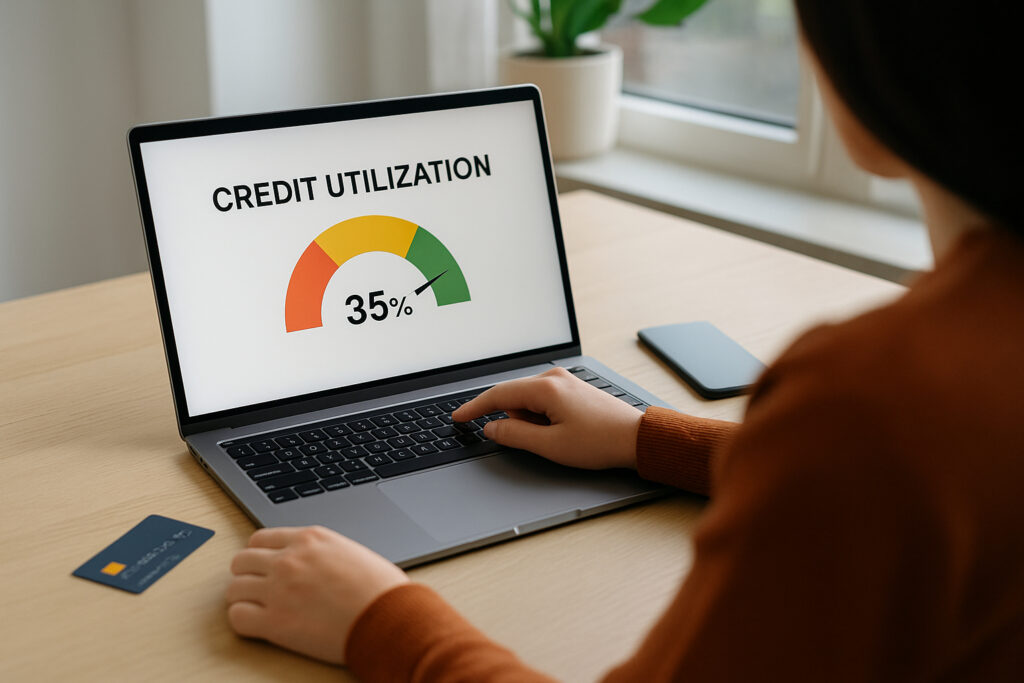
Credit utilization is the percentage of your total revolving credit limit that you’re currently using. It applies mainly to credit cards and lines of credit. For example, if you have a total credit limit of $10,000 across all cards and carry a $3,000 balance, your utilization rate is 30%.

This number tells lenders how responsibly you manage your available credit. High utilization suggests financial strain or overspending, while a low utilization rate signals good credit management.

The Ideal Credit Utilization Ratio

Credit scoring models like FICO and VantageScore both consider credit utilization a key component — it typically makes up about 30% of your total score.

As a general rule:

  • Below 10%: Excellent – shows strong financial control.

  • 10–30%: Good – generally safe and helps build your score.

  • Above 30%: Risky – may lower your credit score and raise lender concerns.

The goal is to use your credit but not depend on it heavily. Keeping your balances low relative to your limits demonstrates responsible financial behavior.

Why Credit Utilization Matters

Credit utilization affects how lenders perceive your credit risk. When your credit card balances are high compared to your limits, lenders may assume you’re struggling to manage debt, even if you pay on time. This can temporarily lower your credit score and reduce your chances of getting approved for new loans or favorable interest rates.

Maintaining a low utilization rate, on the other hand, can improve your score and help you qualify for better financial products like low-interest credit cards, mortgages, and auto loans.

Smart Tips to Manage Credit Utilization

You don’t need to make drastic changes to keep your utilization healthy. A few small habits can make a big difference:

  • Pay your balance early — before your statement closes, so the lower balance gets reported to credit bureaus.

  • Make multiple payments per month if you use your card often.

  • Request a credit limit increase to expand available credit (but don’t increase spending).

  • Spread purchases across multiple cards instead of maxing out one.

  • Avoid closing old cards, since that reduces your total available credit.

Conclusion

Your credit utilization rate is a vital piece of the credit score puzzle. Keeping it low shows lenders that you manage debt wisely, helping you maintain a strong credit score and greater financial freedom. By monitoring your balances and making small strategic payments, you can take full control of your financial future.

Mistakes That Can Damage Your Credit Score

Your credit score is more than just a number — it’s a reflection of your financial habits and a key factor in determining loan eligibility, interest rates, and even job opportunities. Yet, many people unknowingly make mistakes that lower their score. Understanding what can harm your credit is the first step toward protecting it and maintaining long-term financial health.

Missing or Late Payments

Payment history has the biggest impact on your credit score. Even a single missed payment can significantly lower your score and stay on your credit report for up to seven years. Setting up automatic payments or reminders can help ensure you never miss due dates, keeping your credit record clean and consistent.

Carrying High Credit Balances

Using too much of your available credit — known as credit utilization — can make lenders see you as a higher risk. Ideally, you should keep your utilization below 30% of your total limit. For example, if your credit card limit is $10,000, try to keep your balance under $3,000. Paying down balances regularly and avoiding unnecessary purchases helps maintain a healthy ratio.

Closing Old Accounts Too Soon

While it might seem smart to close unused credit cards, doing so can hurt your score by shortening your credit history and reducing your total available credit. Instead, keep older accounts open and active with small, manageable purchases. This helps demonstrate stability and long-term financial responsibility.

Applying for Too Much Credit at Once

Each time you apply for new credit, a hard inquiry is made on your report, which can temporarily lower your score. Applying for several loans or credit cards in a short period signals financial distress. Be selective — only apply when necessary and research options beforehand.

Ignoring Errors on Your Credit Report

Even small errors — like incorrect balances or outdated information — can impact your score. Regularly reviewing your credit report ensures accuracy and helps you spot potential fraud early. You’re entitled to a free report annually from major credit bureaus through AnnualCreditReport.com.

Conclusion

Maintaining a strong credit score is about consistency, awareness, and good financial habits. Avoiding common mistakes — like missed payments or high balances — keeps your credit healthy and your financial opportunities open. With discipline and regular monitoring, you can safeguard your score and secure a stronger financial future.

The Role of Credit Scores in Job Applications

In today’s competitive job market, employers are looking beyond resumes and interviews when evaluating candidates. One increasingly common factor — especially in finance, government, and corporate roles — is the credit score. While your credit score was once just a financial indicator, it has evolved into a tool that employers use to gauge responsibility, reliability, and trustworthiness.

Why Employers Check Credit Reports

Employers don’t actually see your numerical credit score; instead, they review a version of your credit report (with your consent). This report highlights your credit history, payment behavior, and outstanding debts. The goal isn’t to judge your financial wealth but to assess how you manage obligations — an indirect reflection of your discipline and integrity.

Industries that handle money, sensitive data, or high-level decision-making — such as banking, accounting, and government — are more likely to request credit checks. For roles involving financial oversight or access to confidential information, employers see a clean credit history as a sign of accountability.

What Employers Look For

During a credit check, employers typically focus on:

  • Payment consistency: Late or missed payments may raise concerns about reliability.

  • Debt-to-income ratio: High debt levels might suggest financial stress, which could affect job performance.

  • Bankruptcies or legal judgments: These are reviewed for potential risks or ethical concerns.

However, it’s important to note that employers are not allowed to use credit information to discriminate. Under the Fair Credit Reporting Act (FCRA) in the U.S., they must obtain written permission before checking your report and provide a copy if adverse action is taken.

Does a Poor Credit Score Hurt Your Chances?

In most cases, a poor credit score doesn’t automatically disqualify you. Employers are more interested in patterns than in perfection. If your credit history shows temporary hardship — like medical debt or a layoff — you can explain the circumstances during the hiring process. Transparency often helps build trust.

Additionally, some states and cities have passed laws limiting or banning the use of credit checks in hiring, especially for positions where financial responsibility is not a core duty.

How to Prepare for a Credit Check

If you’re applying for a role that may involve financial trust or management, here are a few steps to strengthen your position:

  1. Check your credit report: Use free annual credit reports to identify and dispute any errors.

  2. Pay off overdue accounts: Even small improvements in your credit history can make a difference.

  3. Be ready to explain: Prepare a brief, honest explanation for any negative marks.

  4. Stay transparent: If asked, be upfront about your financial situation rather than letting it surprise the employer.

Conclusion

Credit scores are becoming a silent factor in modern hiring practices — not to judge candidates, but to assess reliability and integrity. By understanding how credit checks work and managing your financial reputation, you can present yourself as both professionally and personally responsible. In the modern workplace, financial discipline isn’t just good for your wallet — it’s good for your career.

Managing Loans and Credit Cards for a Better Score

Your credit score is more than just a number — it’s a reflection of your financial habits and reliability. Whether you’re applying for a mortgage, car loan, or credit card, lenders use this score to determine how trustworthy you are as a borrower. The good news? With careful management of loans and credit cards, you can steadily build and maintain a strong credit score that opens doors to better interest rates and financial opportunities.

Understand What Impacts Your Credit Score

Credit scores are based on several factors — payment history, credit utilization, length of credit history, new credit inquiries, and credit mix. Late payments or high credit card balances can drag your score down quickly, while consistent, responsible behavior can raise it over time. Understanding how these elements interact helps you make smarter borrowing decisions.

Pay on Time, Every Time

Payment history has the biggest impact on your score. Even one missed payment can significantly hurt your credit standing. Automate your payments or set up reminders to ensure you never miss a due date. If you’re struggling, contact your lender to discuss hardship options rather than skipping a payment — this keeps your record clean and shows responsibility.

Manage Credit Utilization Wisely

Credit utilization — the percentage of available credit you’re using — should ideally stay below 30%. For example, if your total credit limit is $10,000, try not to carry a balance higher than $3,000. Paying down balances regularly and avoiding maxing out cards demonstrates discipline and improves your score over time.

Maintain a Healthy Credit Mix

Having a mix of credit types — such as a credit card, personal loan, or auto loan — can strengthen your profile. It shows lenders that you can manage different forms of credit responsibly. However, don’t take on new debt just to diversify — it’s better to focus on managing what you already have effectively.

Limit New Credit Applications

Every time you apply for a new loan or credit card, it triggers a hard inquiry, which can temporarily lower your score. Too many applications within a short period can signal risk to lenders. Only apply for new credit when necessary and space out applications to minimize impact.

Regularly Review Your Credit Report

Check your credit report at least once a year to ensure accuracy. Look for errors, such as incorrect account details or fraudulent activity, and dispute them promptly. Monitoring services and free credit report tools can help you stay informed and protect your score.

Conclusion

Managing loans and credit cards wisely is about consistency, awareness, and balance. By paying on time, keeping utilization low, and monitoring your credit, you can build a score that reflects financial strength and stability. Over time, these habits not only boost your creditworthiness but also create a solid foundation for long-term financial success.

BNPL Services: Their Impact on Credit Score Explained

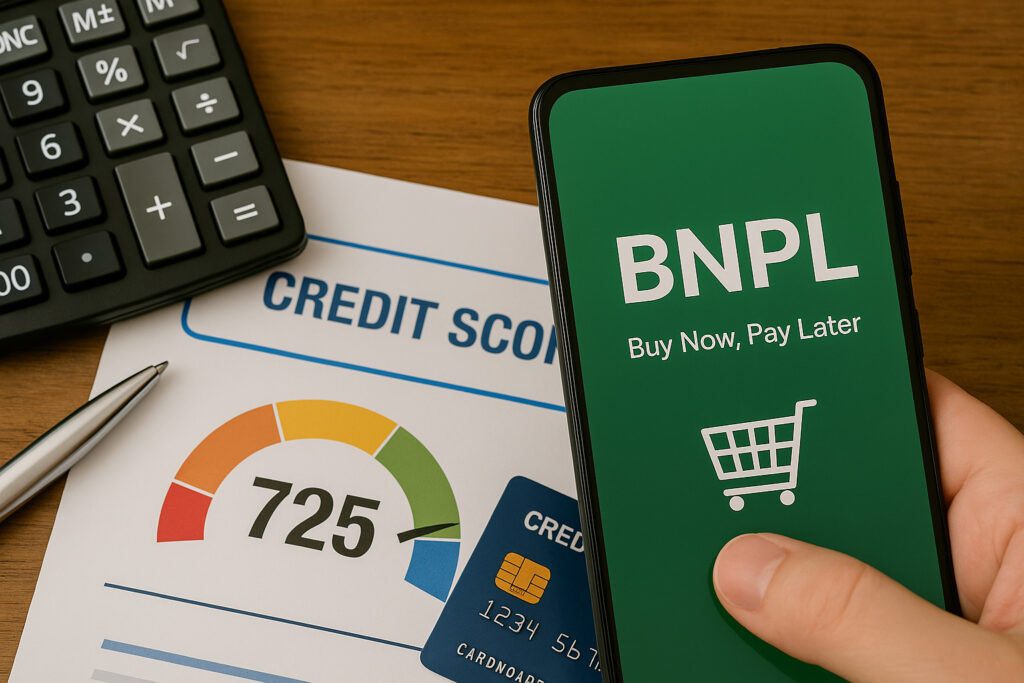
Buy Now, Pay Later (BNPL) services have changed how consumers shop and manage short-term payments. With just a few clicks, you can split purchases into easy installments without using a traditional credit card. While BNPL options offer convenience, many users don’t fully understand their effect on credit scores. Knowing how these services interact with your financial profile is crucial for maintaining a healthy credit history.

What Are BNPL Services?

BNPL services allow customers to purchase goods or services immediately and pay over time, usually in interest-free installments. Popular providers include fintech platforms and digital wallets that partner with online retailers. These services appeal to younger consumers because they offer flexibility and instant approvals—often without a formal credit check.

How BNPL Affects Your Credit Score

The impact of BNPL on credit depends on how the provider reports your activity to credit bureaus. Some BNPL companies do not share repayment data, while others are beginning to include it in credit files.

1. Hard and Soft Credit Checks

Some BNPL providers perform only a soft check (which doesn’t affect your score), while others use hard inquiries that can temporarily lower your credit score. Frequent applications across multiple platforms can have a cumulative impact.

2. Payment History

On-time payments may help demonstrate responsible borrowing, but missed or late payments can hurt your score if reported. As BNPL services evolve, repayment data is increasingly being shared with credit agencies, making consistency more important.

3. Credit Utilization and Debt Levels

Even though BNPL doesn’t function like a traditional credit card, having multiple open BNPL accounts may increase your overall debt exposure. High usage without prompt repayment can signal risk to lenders reviewing your credit profile.

The Hidden Risks of Convenience

The simplicity of BNPL can sometimes lead to overspending. Small, manageable payments can accumulate quickly, making it harder to track multiple due dates. Missing a single payment can trigger penalties or affect future borrowing capacity, especially as reporting systems become more transparent.

How to Use BNPL Responsibly

  • Track all your BNPL purchases and repayment dates carefully.

  • Link payments to reminders or auto-debit features to avoid missed deadlines.

  • Limit the number of active BNPL accounts to maintain manageable debt levels.

  • Check your credit report regularly to monitor any changes or updates related to BNPL usage.

Conclusion

BNPL services offer flexibility and short-term relief, but they’re not risk-free. As credit bureaus begin factoring BNPL data into reports, your repayment habits can directly influence your credit score. Using BNPL responsibly—by paying on time and managing spending—can protect your financial health and strengthen your credit profile.