Using Credit Reports to Guide Measured Score Growth

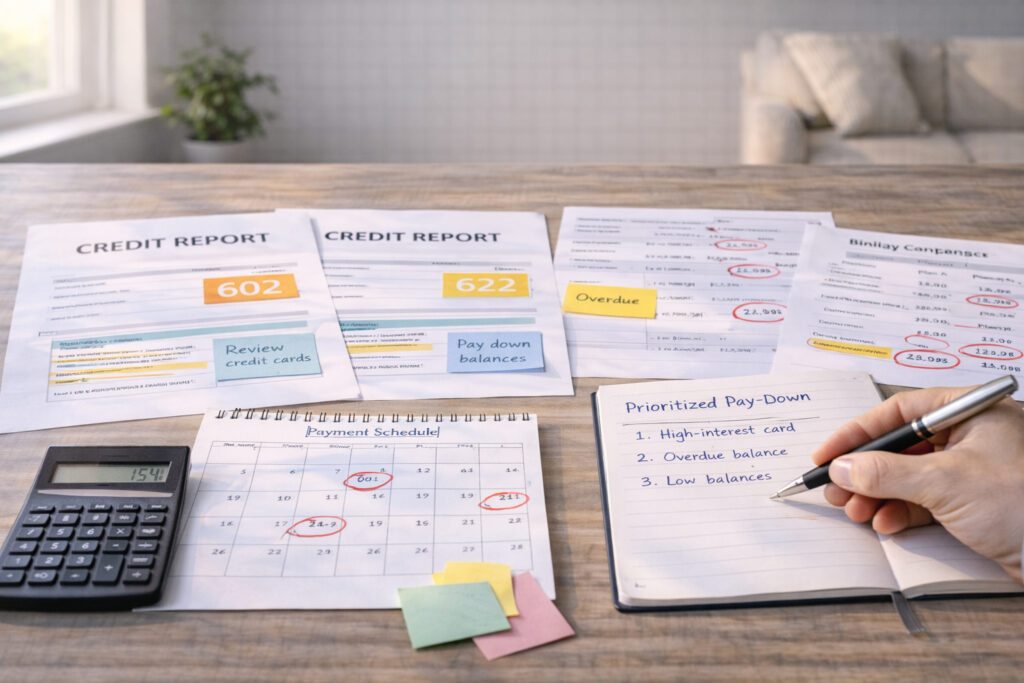
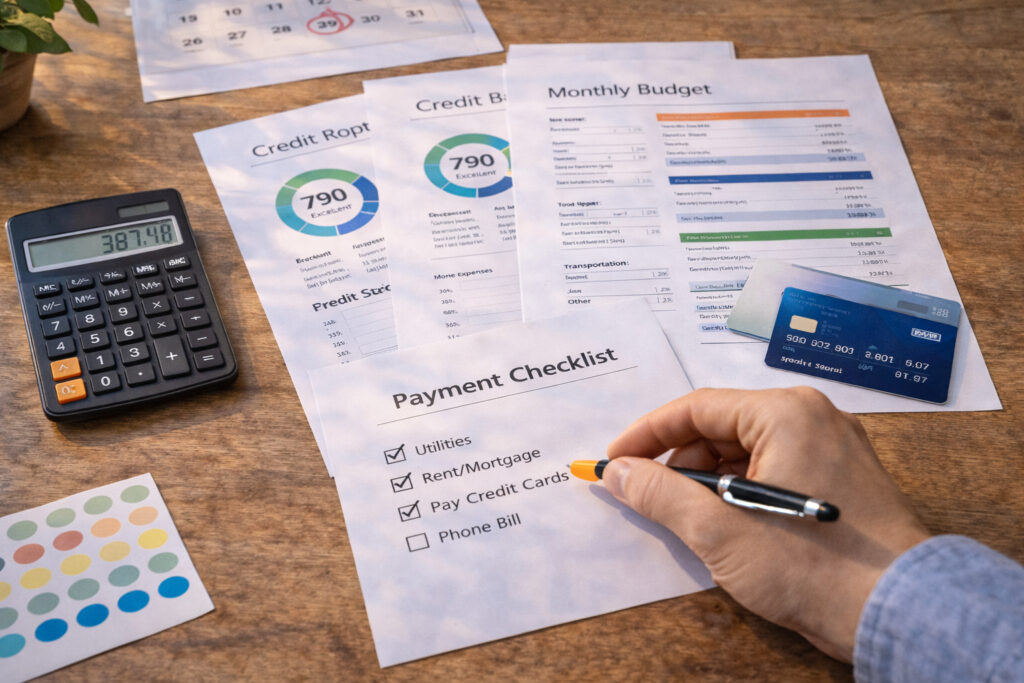
Understanding how to use credit reports is a practical step toward steady credit score growth. A report shows payment history, balances, account types, and recent inquiries that influence scoring models. Learning to read these details reveals targeted opportunities to improve instead of making unfocused changes. Treating reports as a diagnostic tool helps prioritize actions that deliver measurable results.

Read Your Reports Carefully

Start by obtaining free credit reports from the authorized sources and review each section methodically. Look for inaccuracies in personal information, duplicated accounts, incorrect balances, or unfamiliar inquiries that could drag a score down. Disputing errors promptly with the reporting agency and the creditor can clear mistaken negatives that otherwise linger. Regular reviews also make fraud or identity theft easier to detect early.

Make a habit of checking reports on a schedule that fits your needs, such as quarterly or after major financial events. Consistent review maintains clarity about what drives your score and reduces surprises when applying for credit.

Prioritize High-Impact Actions

Not every item on a report affects your score equally, so focus on high-impact areas first. Payment history and credit utilization are among the most influential factors, so catching missed payments and lowering balances should be top priorities. Also consider the age and mix of accounts; opening too many new accounts at once can temporarily suppress a score. Addressing the few items that matter most produces the largest, fastest improvements.

Create a short list of one to three priority actions after each review and tackle them systematically. This disciplined approach prevents scattering effort across low-impact items.

Track Progress With a Simple Plan

Use the report snapshot as a baseline and record changes monthly to see trends rather than day-to-day noise. A simple spreadsheet or a trusted app can show declines in utilization, removal of errors, and the effect of on-time payments over time. Set realistic milestones and celebrate incremental wins to stay motivated through the slower phases of improvement. Tracking turns abstract scores into actionable metrics.

Review and adjust your plan periodically based on observed results and evolving priorities. Small, consistent adjustments compound into meaningful score growth.

Avoid Common Pitfalls

Avoid overreacting to short-term drops or chasing quick fixes that carry long-term costs, such as taking on expensive secured loans purely to boost score. Likewise, spreading credit applications across many lenders in a short window can create multiple hard inquiries and harm momentum. Be cautious with debt-settlement approaches that may leave lasting negative entries without guaranteed benefit. Thoughtful, patient actions typically outperform aggressive tactics.

When in doubt, rely on the report data to guide cost-benefit decisions about any credit move. Conserving discipline and patience is often the most effective path to steady improvement.

Conclusion

Credit reports are practical tools for identifying specific, high-impact improvements that raise scores over time. Regular reviews, prioritized actions, and simple tracking create a repeatable process that yields steady progress. Staying patient and avoiding quick fixes makes the gains durable and sustainable.
Understanding Credit Scores: Strategies to Strengthen Your Rating

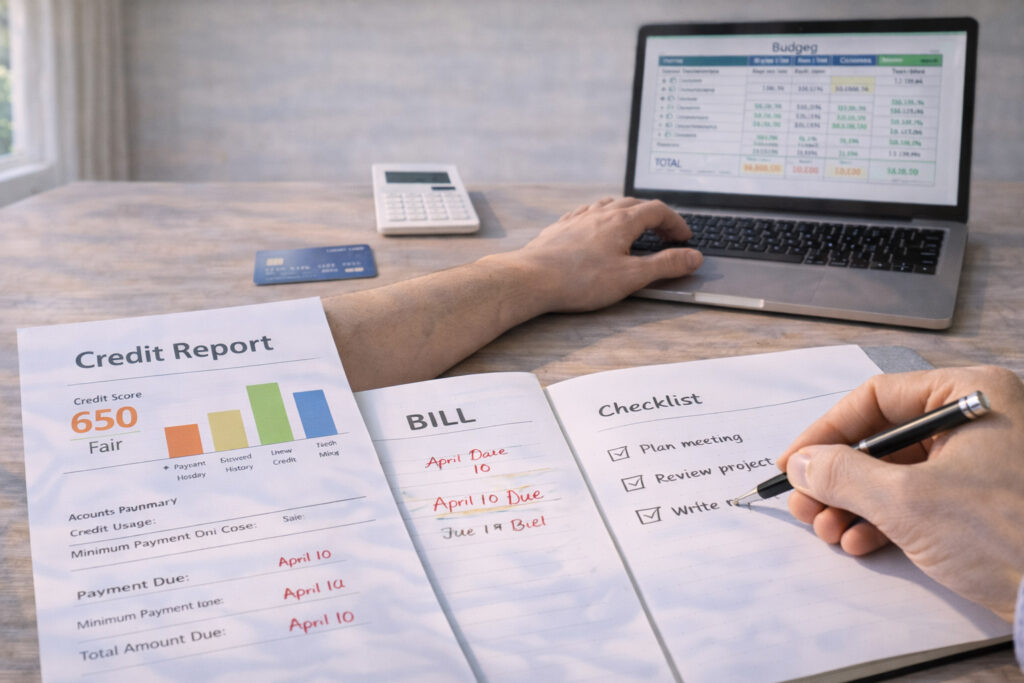
Credit scores influence access to credit and the cost of borrowing for a wide range of financial goals, yet they are often misunderstood. This article explains how scores are built and offers clear, research-backed strategies to improve them over time. Whether you are starting to build credit or repairing a low score, practical steps, applied with consistent effort, can make a measurable difference. Read on for actionable advice, monitoring tips, and common pitfalls to avoid.

How Credit Scores Are Calculated

Credit scoring models evaluate several types of information from your credit reports to produce a numeric score that lenders use to assess risk. Payment history typically carries the most weight, followed by amounts owed, length of credit history, new credit inquiries, and mix of account types; public records and collections can also influence outcomes. Each factor interacts differently depending on the model, so two people with similar histories can receive different scores. Understanding these components helps prioritize improvements where they matter most.

  • Payment history — timeliness of payments.
  • Amounts owed — utilization rates on revolving accounts.
  • Length of history — age of accounts matters.
  • New credit — recent inquiries and accounts.
  • Credit mix — loans and credit cards combined.

Keeping these factors in mind frames effective repair strategies. Focus on the areas that have the largest impact for your situation and set realistic timelines for progress.

Practical Steps to Improve Your Score

Start by ensuring all bills are paid on time, as punctual payments build the strongest foundation for a healthy score and demonstrate reliability to future lenders. Lowering outstanding balances and targeting high utilization accounts can produce quick improvements, especially on revolving credit. Avoid opening multiple new accounts in a short period and remove inaccuracies by regularly reviewing your credit reports. Small, consistent actions compound into meaningful score gains over several months.

Consider setting up automatic payments and reminders to protect your payment history. If errors appear, dispute them promptly with the reporting agencies and keep records of communications.

Monitoring and Avoiding Common Pitfalls

Regular monitoring helps you spot identity errors, fraudulent activity, and overdue accounts before they harm your score, and it lets you track the impact of recent changes. Be cautious with credit-boosting services and understand how they affect lenders’ views of your credit profile. Relying solely on a single score snapshot can be misleading since scores change based on recent activity. A broader view, including reports from multiple bureaus, gives a clearer picture of credit health.

Use free reports and alerts to stay informed without incurring fees. Maintaining steady habits is the best defense against sudden score declines and unexpected surprises on your report.

Conclusion

Improving a credit score is a gradual process built on consistent behavior and informed choices. By prioritizing timely payments, reducing utilization, and monitoring your reports, you can strengthen your financial footing over time. Patience and persistence deliver the most reliable results.

Simple Habits That Build a Strong Credit Profile

Maintaining a healthy credit score is less about one dramatic move and more about consistent, practical habits. Small, deliberate actions over time can shift a score upward and keep it steady through life changes. This article outlines accessible steps that anyone can adopt to strengthen their credit profile. The guidance focuses on understanding reports, managing balances, using credit strategically, and ongoing protection.

Understand Your Credit Report

Begin by reviewing your credit report thoroughly to identify any errors or unfamiliar accounts. Look for incorrect balances, duplicated listings, or outdated personal information that could unfairly lower your score. Disputing inaccuracies promptly can remove negative marks and prevent future issues. Regular reviews also reveal patterns in payment history that you can improve.

  • Check account status and payment history.
  • Note hard inquiries and their timing.
  • Verify personal information for consistency.

Knowing what appears on your report gives you control and clear action steps. Make it a habit to check reports periodically to catch problems early.

Manage Balances and Payments

Payment history and utilization are two of the most influential factors in most scoring models. Aim to pay bills on time and, when possible, pay more than the minimum to reduce principal and interest. Keep credit utilization low by spreading balances across cards or requesting higher limits when appropriate. Even modest reductions in utilization can produce measurable improvements over months.

Set up reminders or automatic payments to avoid late payments, and prioritize high-interest debt to reduce costs. These behaviors create a reliable payment record that supports long-term credit health.

Strategic Use of Different Credit Types

Having a mix of credit types—such as installment loans and revolving accounts—can benefit your profile when managed responsibly. Opening new accounts strategically and maintaining older accounts can both play a role in length-of-history considerations. Avoid opening multiple accounts in a short period, which can signal risk. Choose products that match your financial plan and ability to make timely payments.

  • Installment loans: steady monthly payments.
  • Revolving credit: manage utilization carefully.

Balance diversification with simplicity to keep accounts manageable and predictable. The goal is steady, dependable credit behavior rather than complexity.

Monitor and Protect Your Score

Vigilant monitoring helps you detect fraud, identity theft, or sudden changes that require action. Use alerts, regular report checks, and secure account practices to minimize risk. If you spot suspicious activity, act quickly to dispute charges and secure accounts. Proactive steps preserve both your score and your financial peace of mind.

Keeping records of disputes and communications can streamline recovery if issues arise. Consistent oversight is a small time investment with big potential returns.

Conclusion

Building a strong credit profile is achieved through steady, manageable habits that accumulate over time. Regularly reviewing reports, paying on time, using credit thoughtfully, and monitoring activity create durable improvements. Commit to these practices and your credit health will reflect that consistency.

Daily Financial Habits That Stabilize and Protect Your Credit

Maintaining a healthy credit score starts with consistent daily habits rather than dramatic one-time changes. Small, repeatable practices influence the factors lenders and scoring models consider most. This article outlines practical behaviors you can adopt immediately to stabilize and protect your credit over time. Adoptable routines help avoid common pitfalls and build resilience in your financial profile.

What Influences Your Credit

Several components determine credit scores, including payment history, amounts owed, length of credit history, new credit inquiries, and credit mix. Payment punctuality and the percentage of available credit you use tend to have the greatest impact. Understanding these drivers helps you prioritize simple, everyday actions that move the needle. Knowing which elements matter most makes it easier to focus energy where it counts.

Keep in mind that changes appear gradually, so patience is necessary. Track one or two priorities rather than trying to fix everything at once.

Daily Habits That Support Credit Health

Make on-time payments a daily priority by automating bills or setting reminders to avoid late marks. Monitor your account balances regularly to prevent accidental overspending and reduce utilization proactively. Use notifications for due dates and low balances to catch issues before they become problems. Small behaviors like checking balances each morning create awareness and reduce surprises.

Consistency beats sporadic intensity when improving credit. These small, repeatable steps help maintain stability.

Smart Credit Use and Payment Strategies

Aim to keep credit utilization low across all revolving accounts by paying down balances or moving charges to cards with lower utilization. When possible, make multiple small payments through the month rather than one large payment to keep reported balances lower. Avoid opening several new accounts at once, which can temporarily lower your score through hard inquiries and shorten average account age. If you carry a balance, prioritize highest-interest accounts while maintaining minimum payments on others.

  • Pay more than the minimum when possible to reduce principal faster.
  • Request higher credit limits rather than closing accounts to improve utilization.
  • Space new credit applications and review prequalification options.

Adopt strategies that fit your cash flow to avoid stress. Small adjustments in payment timing can produce measurable improvements.

Monitoring and Fixing Errors

Regularly review your credit reports to catch errors or unauthorized activity promptly. Dispute inaccuracies with the reporting agency and follow up with your creditors for documentation and correction. Monitoring also helps you spot identity theft early and take action before it damages your score. Free reports and alerts make this an easy habit to incorporate.

Set a schedule to review reports quarterly or when you notice unusual activity. Timely disputes often resolve quickly and restore accuracy.

Conclusion

Stable credit comes from steady, deliberate habits rather than quick fixes. Focus on on-time payments, low utilization, and regular monitoring to protect your score. Start with one small change today and build from there.

Routine Credit Checks and Actions for Long Term Stability

Routine attention to your credit profile is one of the simplest ways to strengthen financial options over time. A monthly check-in creates habit and makes small corrective actions easier to take. Small, consistent steps reduce the chance of surprises and help maintain favorable account behavior. This article outlines a practical monthly routine and clear actions to support long-term credit stability.

Why monthly checks matter

Errors, identity issues, and unexpected balance increases can appear quickly and affect score components. Checking reports monthly lets you spot anomalies while they are still easy to resolve. It also reveals trends in utilization, payment timing, and new inquiries that signal future movement. Taken together, those observations guide timely decisions and prevent small issues from becoming larger problems.

Making checks a regular habit reduces stress and the need for expensive remedies. Early detection preserves options and keeps your profile working for you.

Practical monthly actions

Start with a soft check of your credit report and score to establish a baseline each month. Review account balances and payment due dates, and set alerts where possible to avoid late marks. Dispute inaccuracies promptly using the reporting agency processes and document your steps for follow up. If utilization creeps up, plan targeted payments or transfer strategies that prioritize lowering revolving ratios quickly.

  • Set a calendar reminder for report review and bill payments.
  • Keep credit card balances under 30% of limits where feasible.
  • Limit new applications to essential needs and space them out.

These actions are simple to adopt and compound with time. Small, consistent behaviors produce the most reliable improvement in profile health.

Tracking progress and adjustments

Track changes month to month and create a simple spreadsheet or use a secure tool to log key figures. Monitor trends in utilization, age of accounts, and the frequency of hard inquiries to understand trajectory. Adjust your approach if payments slip, balances rise, or if new credit inflates risk; revisit goals quarterly. When necessary, seek basic guidance from credible educational resources rather than making reactive, high-cost choices.

Consistent tracking lets you celebrate small wins and correct course quickly. Over time, these adjustments combine to strengthen your overall credit standing.

Healthy credit habits

Prioritize on-time payments as the foundation of a healthy credit profile; consistency matters more than occasional large reductions. Keep older, well-managed accounts open when they serve your goals to preserve account age benefits. Use credit sparingly and deliberately, treating cards as tools rather than surplus spending capacity. Regularly reassess limits and automatic payments to make sure they align with your cash flow and objectives.

These habits keep pressure off your score and simplify monthly monitoring. Over time, they become the backbone of reliable credit health.

Conclusion

A modest monthly routine protects you from surprises and supports long-term goals. Small actions repeated reliably are the most effective route to steady improvement. Start with one trusted check each month and build from there.

A Stepwise Plan to Rebuild and Improve Your Credit Score

Credit scores feel abstract, but a clear plan can move them steadily in the right direction. This article outlines practical, realistic steps you can take whether you are starting from a poor score or recovering after a financial setback. With consistent actions and small changes in behavior, the impact compounds over months and years. The goal here is to create reliable habits that support long-term credit health without drastic sacrifices.

Assess Your Credit Baseline

Start by obtaining your credit reports and a current score to understand where you stand and what items are affecting your results. Look for errors, late payments, collections, and high balances relative to limits; each has a different weight in scoring models. Organize findings into categories: disputes, payments to catch up, account closures to avoid, and balances to reduce. Prioritize items that offer the most immediate score improvement and can be resolved quickly.

  • Dispute inaccuracies and request corrections where appropriate.
  • List accounts with highest utilization and prioritize payments.
  • Note any aged derogatory items that may still be negotiated.

Address disputes promptly and document communications with creditors to speed resolutions. Even small corrections can produce meaningful movement in weeks.

Take Focused Short-Term Actions

Lowering your credit utilization is one of the fastest ways to see a score increase, so focus payments on high-ratio accounts first. If you have missed payments, catch up as soon as possible and consider asking for a goodwill adjustment after a period of on-time payments. Avoid opening multiple new accounts at once, since hard inquiries and new credit lines can temporarily lower your score. Small actions like becoming an authorized user on a seasoned account or requesting higher limits can also help.

  • Pay down balances on cards near their limits.
  • Set up autopay for minimums and schedule extra payments weekly.
  • Negotiate with lenders for payment plans before accounts go to collections.

Track the effect of each action over a few billing cycles so you can adjust priorities. Short-term gains compound when paired with the sustainable habits that follow.

Build Sustainable Habits

Long-term credit improvement depends on reliable behaviors you can maintain, not one-off fixes. Keep older accounts open when possible, because account age and payment history length contribute positively to scores. Use a budget to prevent balances from creeping up, and set a target utilization rate well below available limits. Monitor reports regularly to catch issues early and to celebrate progress as scores improve, which reinforces the habit loop.

Automate payments and review statements monthly to stay in control without constant effort. Over time these practices increase stability and lower the risk of setbacks from unexpected expenses.

Conclusion

Improving your credit score is a process of small, intentional choices executed consistently over time. Begin with an honest assessment, prioritize actions that move the needle quickly, and commit to sustainable habits. With patience and discipline you can rebuild credit resilience and open more financial opportunities.

Everyday Habits That Quietly Improve Your Credit Score

Small, consistent habits make a measurable difference to your credit profile over time. Paying attention to timing, balances, and simple planning reduces risk and builds steady progress. You don’t need dramatic changes to see gains; deliberate tweaks to daily finances are often enough. This article outlines practical behaviors you can adopt this month and sustain going forward.

Why incremental changes add up

Credit scoring models reward consistent, positive behaviors, and repeated small actions compound into stronger results. On-time payments, lower relative balances, and a stable mix of accounts demonstrate reliability to lenders. These improvements may be gradual but tend to be more durable than short-term fixes. Focusing on manageable steps reduces stress and encourages long-term financial habits.

Adopting incremental goals also makes tracking progress simple and motivating. Rather than chasing quick fixes, maintain steady routines that become automatic over time.

Payment timing and prioritization

Timely payments are the single most influential habit for many credit scores, and scheduling can eliminate missed due dates. Set up automatic payments for minimum amounts and calendar reminders for full payments when possible. If cash flow varies, prioritize secured debts and revolving accounts with the highest interest or largest impact on score. Regularly review statements to catch errors early and dispute any inaccuracies promptly.

  • Schedule automatic payments for minimums to avoid late marks.
  • Use calendar alerts a few days before due dates for manual top-ups.
  • Pay down the card with the highest balance-to-limit ratio first.

By combining automation with periodic review, you protect your score from accidental lapses. Small scheduling habits reduce both fees and stress.

Manage utilization and credit mix

Keeping credit utilization low across revolving accounts sends a strong signal of responsible borrowing. Aim to use a modest portion of available credit and consider spreading balances instead of maxing a single card. Maintaining a healthy mix—such as revolving and installment accounts—can help, but only open new accounts when they serve a clear purpose. Avoid closing older accounts solely to tidy up your statements, as age of credit matters for scoring.

Regularly check utilization percentages in the days leading to reporting cycles. Minor adjustments before a statement posts can yield meaningful improvements.

Conclusion

Small, repeatable actions create steady credit improvements when maintained over time.
Automate where possible, monitor balances, and prioritize timely payments.
These habits build resilience and improve the odds of stronger credit outcomes.

Practical Steps to Improve Your Credit Score Quickly

Improving your credit score is a practical process that rewards consistency and patience.
Understanding the factors that affect your score helps you prioritize actions that have real impact.
Small changes in payment habits, debt management, and reporting accuracy can add up over time.
This article outlines clear, actionable steps you can start using this month to strengthen your credit profile.

Understand Your Credit Report

Start by obtaining a complete copy of your credit report from the major reporting agencies and review it thoroughly.
Look for errors, outdated accounts, or unfamiliar inquiries that could be dragging your score down.
Pay attention to account statuses, balances, and the dates of last activity to spot inaccuracies.
Identifying issues early gives you the chance to dispute mistakes and have them corrected, which often leads to measurable improvements.

  • Verify personal information and account ownership.
  • Check for duplicate or closed accounts reported as open.
  • Note any late payments or collections that might be errors.

After your review, assemble documentation for any disputes and submit them promptly.
Staying organized during this process speeds resolution and reduces the risk of recurring errors.

Reduce Debt Strategically

High balances relative to credit limits have a strong negative effect on scores, so focus on lowering credit utilization.
Target cards with the highest utilization rates first, while maintaining at least minimum payments on others.
If possible, consider shifting balances to lower-interest options or arranging a targeted payoff plan that accelerates reduction.
Avoid closing older accounts once balances are paid, as length of credit history also supports a better score.

Consistent reductions in total revolving balances will typically show improvements within a few billing cycles.
Make a simple monthly plan and track progress to stay motivated.

Build Positive Payment History

On-time payments are the most influential factor in most scoring models, so make punctual payments a non-negotiable habit.
Set up automatic payments or calendar reminders to avoid accidental late payments, and prioritize bills that report to credit agencies.
If you struggle with timing, contact creditors to discuss alternative due dates or payment arrangements that align with your cash flow.
Even a brief history of consistent, on-time payments can begin to shift your score upward.

Consistency matters more than perfection; a steady record of timely payments rebuilds trust in your profile.
Reward yourself for milestones to reinforce the habit.

Use Credit Wisely and Stay Patient

Apply for new credit sparingly and only when it supports a clear financial goal, since each hard inquiry can temporarily affect your score.
Diversify types of credit responsibly to show you can manage varied obligations, but avoid overextending your budget.
Regularly monitor your score to track the impact of changes and to catch regressions early.
Remember that meaningful improvements typically take several months, so maintain disciplined habits.

Measured, informed choices compound into better credit over time, so stay focused on sustainable practices.
Small wins accumulate into lasting improvement.

Conclusion

Follow these practical steps and you will see measurable progress in your credit score.
Prioritize accurate reporting, lower utilization, and consistent payments to build momentum.
Stay patient and persistent for the best long-term results.

How Small Choices Boost Your Credit Over Time

Improving your credit score is rarely a sudden event; it develops through repeated behavior and informed choices.
Small changes — like paying on time, lowering credit card balances, or correcting report errors — compound over months.
This guide explains the main score drivers and outlines practical, manageable habits you can adopt.
With steady attention, modest actions produce measurable improvements without radical financial shifts.

Know What Shapes Your Credit Score

Credit scoring models weigh several clear components: payment history, amounts owed, length of credit history, new credit inquiries, and account mix. Payment history typically accounts for the largest share, so even a single missed payment can have an outsized impact. Credit utilization — the ratio of balances to available limits — is another lever you can control quickly by reducing balances or increasing limits responsibly. Regularly reviewing your credit reports helps identify errors or fraud that might unfairly lower your score.

Start by obtaining your reports and reading them carefully. Prioritize fixes that address missed payments and incorrect balances.

Practical Habits to Raise Your Score

Adopt small, repeatable habits that directly target scoring factors. Set up autopay or calendar reminders to ensure bills are paid on time and avoid late-payment penalties. Focus on lowering utilization by making multiple payments within a billing cycle or paying down the highest-rate balances first. Resist the urge to open several new accounts at once; each hard inquiry can shave points and many new accounts shorten your average account age.

  • Enable automatic payments for recurring bills.
  • Make interim payments during the month to keep reported balances low.
  • Dispute inaccuracies with the reporting agency promptly.

Pick one or two habits to implement this month and measure changes over time. Small, consistent improvements often outperform sporadic major efforts.

Avoid Common Pitfalls

Some well-meaning actions can hurt scores if done without context. Closing long-established accounts can reduce your available credit and shorten your credit history, both of which may lower your score. Consolidating debt can help reduce interest costs, but beware of replacing revolving balances with new loan types that change your credit mix in unexpected ways. Stay cautious with credit-builder products that impose fees or trigger unnecessary inquiries.

When in doubt, model the long-term effects before making big changes. Consistency and patience are usually the best strategies.

Conclusion

Improving credit is cumulative: steady habits, informed choices, and occasional review deliver the best results.
Focus on punctual payments, reasonable utilization, and correcting errors to build momentum.
Start small today and check progress quarterly to stay on track.

A Clear Guide to Building Reliable Credit Habits

Good credit is built one consistent decision at a time and understanding that process helps you make better financial choices. This guide focuses on practical behaviors that positively influence scores without complicated jargon. You will find clear actions to prioritize, common pitfalls to avoid, and simple monitoring steps. Adopt these habits gradually and stay patient for steady improvement.

Understand the components of your credit profile
Your credit profile is influenced by several weighted factors, each affecting your score differently. Payment history generally carries the most weight, followed by credit utilization, length of credit history, new credit, and credit mix. Learning how each component contributes helps you prioritize actions that have the largest impact first. Use this knowledge to target weak areas with realistic, consistent steps.

– Focus on improving late payments and reducing balances where they matter most.
– Avoid opening multiple accounts at once, which can lower average account age.

Start by checking which factor currently drags your score down and concentrate efforts there. Small improvements in the right area often yield the best returns over time.

Maintain reliable payment habits
Making payments on time is the single most powerful habit for healthy credit. Set up automatic payments or calendar reminders to prevent missed due dates, and prioritize full payments where possible to reduce interest costs. If cash flow varies, pay at least the minimum on time and gradually increase payment amounts to chip away at balances. Consistency here builds a long, positive payment record that lenders value.

– Consider splitting large bills into smaller, more manageable payments.
– Communicate with creditors proactively if you face temporary hardship.

Reliable payments demonstrate responsibility and begin to repair past issues as positive entries accumulate. Over months and years this practice becomes the foundation for stronger credit.

Manage utilization and diversify responsibly
Keeping credit utilization low—ideally below 30% on each revolving account—signals lower risk to lenders and boosts scoring models. Avoid closing old accounts solely to reduce available credit, as that can raise utilization and shorten your credit history. Introducing varied types of credit only when necessary can improve your credit mix without creating excess risk. Thoughtful management beats frequent churn of accounts.

– Prioritize paying down high-interest revolving balances first.
– Use small recurring charges on a seldom-used card and pay them off monthly to keep it active.

A steady, moderate use of credit combined with timely payoffs shows prudent financial behavior. Over time, those patterns improve both your score and borrowing options.

Monitor records and correct errors promptly
Regularly reviewing your credit reports helps you spot mistakes, identity theft, or outdated information that can harm your score. Dispute inaccuracies with the reporting agency and provide documentation to resolve issues quickly. Monitoring also alerts you to new accounts or inquiries that you did not authorize, allowing fast corrective action. Staying proactive reduces surprises and preserves the benefits of your positive habits.

– Obtain reports periodically and compare entries for unfamiliar activity.
– Keep copies of dispute correspondence until matters are resolved.

Timely corrections protect your progress and ensure your profile accurately reflects your behavior. Combine monitoring with the other habits to sustain long-term improvement.

Conclusion
Focus on steady, manageable changes rather than quick fixes to build reliable credit habits. Consistent on-time payments, controlled utilization, and regular monitoring create the strongest foundation. Over time these practices expand your options and financial confidence.