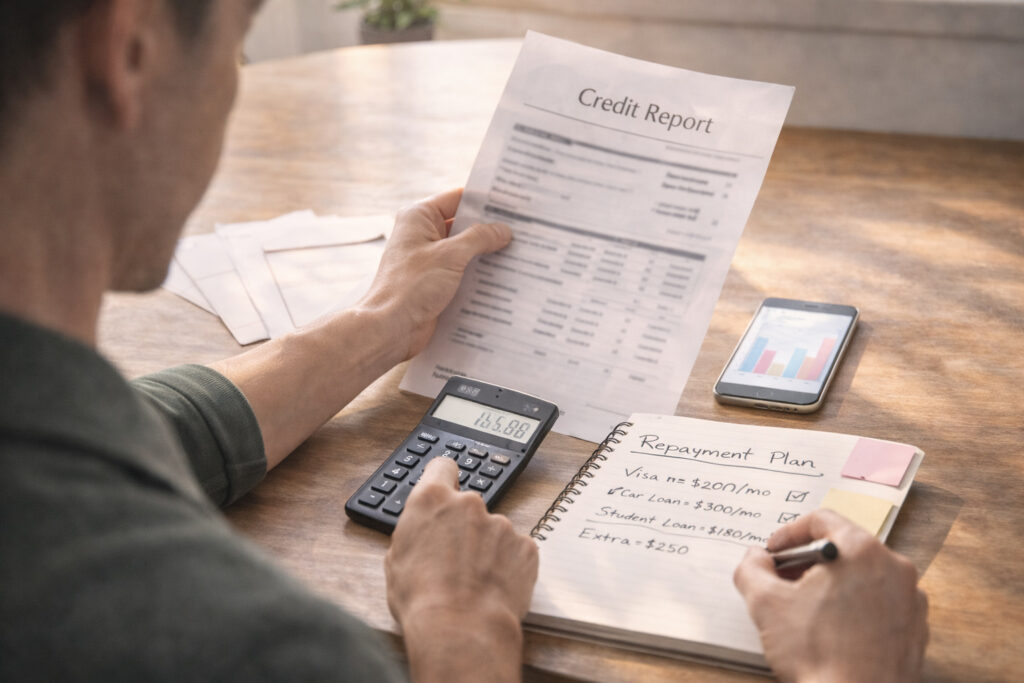
Understanding Credit Scores: Simple Strategies for Steady Improvement

Improving your credit score is a practical goal that pays off across many areas of life. Every step you take toward healthier credit can lower borrowing costs and expand financial options. This article explains how scores are built, effective actions you can take, and common mistakes to avoid. Use these strategies to develop steady, measurable improvement over time.

How credit scores are calculated

Credit scoring models weigh several core factors to produce a numerical result lenders use when assessing risk and pricing credit, including payment habits and outstanding balances. Payment history usually carries the most weight because late or missed payments are strong indicators of elevated risk, while amounts owed and utilization on revolving accounts reveal how much of your available credit you are using. The length of your credit history, recent credit inquiries, and the variety of account types also influence scores in meaningful but differing ways. Recognizing which factors matter most allows you to set priorities for where to focus effort and resources to see the fastest gains.

Start by reviewing your current score and the detailed entries on your credit report so you know what is affecting it. That visibility is a strong first step and helps you identify quick wins and longer-term priorities.

Practical steps to raise your score

Consistent habits produce the most reliable improvement: make on-time payments every billing cycle, keep balances well below limits, and avoid applying for new credit unnecessarily. If utilization is high, create a repayment plan that targets high-interest balances first or consider asking for a modest credit line increase only after improving payment consistency. Dispute inaccuracies on reports quickly and set monitoring alerts to detect potential identity issues before they cause damage. For people establishing credit, adding a small secured card or a reported installment account can build history when managed responsibly.

  • Pay on time every month
  • Keep utilization under recommended thresholds
  • Review reports and dispute errors

These practical steps are straightforward to implement and compound over time, especially when combined with a clear timeline and regular progress checks. Small improvements in behavior are often enough to move scores into a better tier within a few months.

Common pitfalls and how to avoid them

Some behaviors derail progress quickly: missed payments, sustained high balances, and closing long-standing accounts can all reduce your score despite previous gains. Frequently applying for new credit leads to multiple hard inquiries that may lower your score temporarily and give the appearance of greater risk. Ignoring potential identity theft or reporting errors allows problems to persist and worsen, so proactive monitoring and fast dispute resolution are essential. Learning which actions have immediate impact versus those that require patience helps you avoid counterproductive choices.

  • Avoid closing your oldest accounts without reason
  • Monitor accounts regularly for signs of fraud or error

Avoiding these common traps and adjusting course promptly keeps progress steady and prevents setbacks. Regular review and modest course corrections help maintain momentum toward your credit goals.

Conclusion

Improving a credit score is a marathon, not a sprint. Focus on timely payments, reasonable usage of credit, and correcting errors when they appear. Over months, these measures build stronger access to credit and better financial options.

Improve Your Score With Intentional Monthly Credit Actions

Small, consistent changes to monthly credit behavior add up more reliably than one-off fixes. By choosing a few intentional actions and repeating them each month you can influence the factors that drive scoring models. This article outlines manageable credit practices that fit into a routine without major lifestyle disruption. Follow these steps to create a repeatable plan that supports steady score growth.

Focus on Consistent On-Time Payments

Payment history carries significant weight in most scoring models, so prioritize making at least the minimum payment by the due date every month. Set calendar reminders or automate payments to reduce the risk of missed payments. If you struggle with cash flow, contact lenders early to request a temporary arrangement rather than missing a payment. Keeping a clean on-time record prevents score setbacks and builds long-term reliability.

Consistency beats perfection because a history of on-time payments signals creditworthiness. Automating or scheduling payments creates a dependable habit that requires little ongoing effort.

Manage Balances and Credit Utilization

Credit utilization — the percentage of available revolving credit you use — is a major, controllable factor. Aim to keep utilization low across individual cards and overall, ideally under recommended thresholds, and pay down high balances first. Making multiple small payments during the month can lower reported balances without changing your spending. Review statements each month to see how balances are reported and plan payments accordingly.

  • Pay down cards with the highest utilization first.
  • Make a mid-cycle payment before the statement closing date.
  • Request a modest credit limit increase if your account is in good standing.

Tactical timing and intentional payments reduce utilization and can improve scores on a monthly cadence. Small adjustments to when and how you pay are often more effective than large occasional payments.

Thoughtful Use of Credit Mix and New Accounts

A diverse mix of credit types can support scoring, but opening several new accounts at once can lower the average account age and temporarily dip your score. Add new credit only when it aligns with a clear need and consider the long-term effects on account age. Use installment loans and revolving accounts responsibly to demonstrate varied repayment behavior. Monitor inquiries and space out applications to minimize negative impact.

Balance the benefits of a stronger mix against the cost of new accounts. Intentional timing preserves account age while expanding your credit profile when necessary.

Conclusion

Small monthly actions compound into meaningful score improvements over time.
Automate payments, manage utilization, and add credit selectively to support growth.
A steady, intentional routine is the most effective path to stronger credit.

A Practical Framework for Growing Your Credit Score

Improving a credit score takes consistent, informed choices rather than dramatic moves.
Small actions repeated over months and years create measurable improvement.
A reliable framework helps prioritize behaviors that influence scoring models.
This article outlines practical steps you can adopt and sustain to build credit health.
Start with manageable habits and iterate as your situation changes.

Why a healthy credit score matters

A healthy credit score expands access to lower interest rates, better loan terms, and more financial options. It affects not only borrowing costs but also how lenders view overall risk, which can influence approvals and deposits. Employers, landlords, and insurers sometimes review credit information, making it a broader indicator of financial responsibility. Understanding the role of a score clarifies why steady improvement is valuable and worth systematic attention.

Focusing on score improvement is less about chasing a single number and more about improving financial flexibility.
When you treat credit as a tool, you make decisions that support long-term goals.

Daily actions that add up

Adopting predictable daily and monthly habits is the most reliable way to influence your score. Pay bills on time, maintain low balances relative to limits, and avoid closing older accounts that contribute to credit history length. Keep new credit applications selective; each hard inquiry can have a short-term effect. Over time, consistent on-time payments and reasonable utilization are among the strongest drivers of upward movement.

  • Set automatic payments or calendar reminders to avoid missed bills.
  • Target utilization under 30%, and lower when preparing for major credit needs.
  • Limit new account applications to when you genuinely need credit.

These habits are straightforward but require discipline and tracking.
Small operational changes remove friction and make positive outcomes more likely.

Monitor, correct, and adapt

Regularly review credit reports from available sources to confirm accuracy and spot unfamiliar accounts or errors. Dispute mistakes promptly using the reporting agency processes and keep records of communications. If a late payment or high balance appears, contact creditors to understand options like payment plans or hardship programs. Adjust your plan as life changes, for example when income shifts or you take on a mortgage.

Monitoring gives you control and early warning of issues that could drag scores down.
Adapting your behaviors in response to insights leads to sustained improvement.

Conclusion

Consistent, intentional habits form the backbone of credit improvement.
Monitor your reports, act on inaccuracies, and prioritize on-time payments.
Over time, these steps create measurable and lasting gains in credit health.

Practical Routines to Strengthen Your Credit Health

Improving a credit score is rarely dramatic; it is the result of steady, deliberate choices. Small habits repeated over months can change how lenders view your creditworthiness. This article outlines practical routines you can adopt and maintain without major disruption to daily life. Use these ideas as a framework to build reliable financial behavior that supports a stronger credit profile.

Each routine emphasizes consistency, simple record keeping, and timely action. You do not need to overhaul your finances overnight to see progress. Focus on changes you can sustain and measure periodically. Over time those outcomes compound into measurable score improvement.

Understand the Foundations

Knowing what influences your credit is the first routine to adopt. Timely payments, account age, credit utilization, account mix, and recent inquiries all play roles in scoring models. Spend a session reviewing your credit report to confirm account details, balances, and any errors that should be disputed. Regular review creates informed decisions and reveals quick wins.

Make a habit of checking reports at least once per year and monitoring balances monthly. This habit reduces surprises and helps you prioritize actions. Clear records and routine reviews support steady progress toward healthier credit.

Daily and Monthly Habits That Matter

Small daily and monthly routines produce outsized benefits when they are consistent. Automate minimum payments and schedule additional payments when cash flow allows to reduce balances. Aim to keep utilization on each revolving account low to show responsible credit management. Consistent monitoring and adjustment prevent accidental late payments or high utilization spikes.

  • Set calendar reminders for statement closing and payment due dates.
  • Transmit small extra payments to lower reported balances before statements close.

These actions are simple to implement and scale with your financial situation. Over weeks and months they reduce interest costs and improve utilization metrics. The focus should be on reliability rather than perfection.

Avoid Common Pitfalls

Certain behaviors slow score improvement and are worth avoiding. Opening many new accounts in a short period triggers multiple inquiries and shortens average account age. Closing old accounts can reduce overall credit available and increase utilization ratios unexpectedly. Stopgap fixes like repeatedly transferring balances without paying down principal may delay meaningful progress.

Recognize these traps and create rules to prevent them, such as waiting six months before applying for new credit. Staying mindful helps you prioritize stability over quick fixes. This disciplined approach keeps improvement steady and predictable.

Conclusion

Consistent, practical routines create sustainable credit improvement over time. Focus on punctual payments, low utilization, and periodic report reviews to steer progress. Small, repeatable actions compound into meaningful score gains when maintained.

Small Habits That Boost Your Credit Score Over Time

Understanding how small changes affect your credit score can make long-term financial goals more achievable. Many people think improving credit requires dramatic moves, but steady habits often produce the most durable gains. This article outlines practical behaviors that influence scoring models and offers simple steps to incorporate them into daily life. Adopting these practices consistently can raise your score and expand your borrowing options.

How Credit Scores Are Calculated

Credit scoring models evaluate several factors to estimate the risk you represent to lenders. The largest components are payment history and credit utilization, followed by account age, credit mix, and recent inquiries. Each factor contributes differently, so focusing only on one area rarely produces optimal results. Knowing where your profile is weak lets you prioritize actions that move the needle.

  • Payment history: on-time payments vs missed payments.
  • Credit utilization: the percentage of available credit used.
  • Account age and mix: how long accounts have been open and the types of credit held.
  • New credit and inquiries: recent applications can lower scores temporarily.

Watching these elements together gives a clearer path to improvement and prevents unintended setbacks.

Daily Habits That Improve Scores

Simple daily habits compound into measurable credit gains when maintained consistently. Paying bills on time, keeping balances well below limits, and avoiding unnecessary applications are foundational behaviors. Setting automatic payments and reviewing statements weekly reduces the chance of missed payments or fraud. Over time these routines lower utilization and build a stronger payment history.

  • Set calendar reminders or enable autopay for recurring bills.
  • Make multiple small payments each month to reduce reported balances.
  • Keep unused cards open unless they carry fees that outweigh the benefit.

Those small adjustments take little time but can shift the way scoring models view your reliability.

Common Pitfalls to Avoid

Certain actions intended to help scores actually backfire if timed poorly or done excessively. Closing old accounts shortens average account age and can raise utilization, while opening multiple new accounts causes inquiries that temporarily reduce scores. Ignoring credit reports allows errors or identity theft to linger, sometimes costing months of recovery. Thoughtful planning and patience prevent many common setbacks.

  • Avoid closing long-standing accounts for minor perceived benefits.
  • Don’t rapidly open accounts in search of quick improvement.

Instead, aim for steady progress and verify that each step aligns with your long-term credit goals.

Monitoring and Long-Term Strategies

Regularly checking your credit reports and scores helps you spot trends and errors before they cause damage. Establishing a yearly review routine and using alerts for major changes keeps you informed and able to act quickly. For long-term gains, focus on maintaining low utilization, diversifying account types cautiously, and allowing positive history to age. These strategies compound over years and solidify the improvements from daily habits.

Patience is essential: significant score changes often take months to appear. Consistent monitoring ensures you stay on track and adjust tactics when necessary.

Conclusion

Improving your credit score is a marathon built from consistent, sensible habits rather than dramatic one-off moves. Monitor your profile, prioritize on-time payments, and manage utilization to see gradual, lasting changes. With discipline and a clear plan you can strengthen your credit profile and broaden future financial options.

Practical Steps to Improve Your Credit Score Today

Improving your credit score is a practical, achievable goal when you understand the main drivers and prioritize consistent actions. Small adjustments to how you credit-manage can create noticeable improvement over months rather than years. This article lays out clear steps you can take, explains common mistakes to avoid, and highlights monitoring habits that support long-term credit health. Whether you are rebuilding or optimizing, a steady plan makes progress predictable.

Understanding Credit Scores

Credit scores summarize how reliably a person repays borrowed money, using factors like payment history, amounts owed, length of credit history, new credit, and credit mix. Each factor carries differing weight, so missing payments typically harms your score far more than having a short credit history. Scores are updated regularly by reporting agencies, which gather information from lenders and public records. Knowing which factors matter most helps you prioritize the right actions.

Focus first on on-time payments and reducing high balances, as these usually yield the quickest positive impact. Small, consistent improvements compound and reflect in your score across reporting cycles.

Key Actions to Raise Your Score

Start by ensuring all bills and loan payments are made on time every month, because payment history is the largest single factor. Lower your credit utilization by paying down revolving balances and keeping utilization below 30%, ideally under 10% for faster gains. If you have older accounts in good standing, keep them open to preserve average account age, which benefits your score.

  • Set automatic payments or calendar reminders to avoid missed payments.
  • Allocate extra funds to high-interest or near-limit balances first.
  • Limit new credit inquiries to necessary situations.

These actions work together: punctual payments improve history while lower utilization shows responsible borrowing, creating a reliable path to a better score.

Avoiding Common Pitfalls

Common errors include closing old accounts unnecessarily, opening many new accounts in a short period, and neglecting small balances that can report as delinquencies. Also be cautious with payday loans or short-term high-interest options that can trap you in a cycle of debt. Identity theft and reporting errors are less common but can severely damage your score if not addressed quickly.

  • Review statements monthly to spot unauthorized charges or mistakes.
  • Dispute inaccuracies with the reporting agency and creditor promptly.

Avoiding these pitfalls preserves the progress you make and prevents setbacks that require months of repair work.

Monitoring and Long-Term Habits

Regular monitoring helps you catch mistakes and measure improvement, so check your credit reports at least annually and consider quarterly reviews if you are actively rebuilding. Create a realistic budget that prioritizes debt repayment and emergency savings to reduce the chance of future missed payments. Cultivating habits like tracking balances, limiting new debt, and using credit responsibly supports a strong score for years.

Long-term consistency beats quick fixes; maintain healthy credit behaviors and periodically reassess your strategy as financial goals change.

Conclusion

Improving credit takes deliberate, repeatable steps focused on payments, balances, and monitoring. Start with reliable on-time payments and reducing utilization, then prevent setbacks through vigilance and smart account management. With steady effort, your score will reflect the healthier financial habits you build.

Managing Credit Like a Long-Term Project for Growth

Credit improvement rarely follows a single dramatic move; it resembles a steady project that unfolds over months and years. Building reliable habits and tracking measurable progress turns vague goals into concrete outcomes. This article outlines practical routines and decision rules that reduce risk and support gradual score gains. The emphasis is on sustainable changes you can maintain without dramatic lifestyle shifts.

Set Clear Goals and Measure Progress

Begin by defining what a better credit profile means for you: lower interest rates, approval for a specific loan, or increased credit limits. Obtain your credit reports and identify the main drivers of your score, such as payment history, credit utilization, and account age. Track a few metrics monthly so small improvements become visible and actionable. Regular measurement reduces anxiety and helps prioritize the changes that matter most.

Establishing concrete benchmarks makes it easier to celebrate milestones and adjust strategies. Treat the process like a project plan with simple monitoring routines and periodic reviews.

Adopt Habitual Payment and Balance Rules

Consistent on-time payments are the single most important factor for many scoring models, so automate what you can to avoid lapses. Aim to keep revolving balances well under available limits; a general target is to use less than 30% of each credit line and ideally below 10% for faster gains. When possible, pay down high-interest balances first while maintaining minimum payments elsewhere. Small, repeated behaviors—like checking balances weekly—prevent surprises and reinforce control.

  • Set automatic payments for at least the minimum.
  • Make one mid-cycle payment to lower reported utilization.
  • Avoid opening new accounts just to chase offers.

Simple allocation rules and automation remove decision friction and reduce the chance of setbacks. Over time, these choices compound into measurable score improvements.

Maintain Responsible Account Mix and Age

Credit age and the diversity of account types influence long-term stability, so weigh the benefits of new accounts against the cost to average age. Keep older, healthy accounts open unless there is a compelling reason to close them. If you need new credit, consider a targeted, infrequent application strategy rather than multiple simultaneous inquiries. Thoughtful account management preserves a strong foundation while allowing targeted growth.

Long-term planning around account use helps maintain positive history and supports consistent upward movement. Regular reviews of account status prevent surprises and keep your plan on track.

Conclusion

View credit as a steady project rather than a quick fix, and prioritize predictable, repeatable behaviors. Small, consistent actions—timely payments, low utilization, and selective account management—produce reliable progress over time. Regular measurement and modest automation make the process manageable and sustainable.

Building Consistent Credit Habits for Lasting Score Gains

Improving a credit score is less about quick fixes and more about steady, intentional choices. Small changes in billing habits, account management, and credit use compound over months and years. Understanding how credit factors interact helps direct where to focus time and attention. This guide outlines practical, repeatable steps that support long-term score improvement.

Understand the Components

Credit scores are calculated from several factors that carry different weights, so it helps to know which areas matter most. Payment history and amounts owed typically dominate the score, while length of credit history, mix of credit, and recent inquiries also contribute. Reviewing a credit report regularly reveals errors, outdated information, or accounts that may be dragging the score down. Taking time to parse these elements allows for targeted, efficient improvements.

Start by obtaining your reports and checking for inaccuracies or unfamiliar accounts. Address mistakes quickly and document any disputes for future reference.

Manage Balances and Payments

Keeping balances low relative to credit limits is a straightforward way to improve the utilization component of your score. Aim to pay down high balances first and consider making multiple payments within a billing cycle to lower reported utilization. Consistently paying at least the minimum by the due date preserves payment history and prevents late-payment damage. Small, repeatable routines around payment timing can yield measurable improvements.

  • Set calendar reminders or automated payments for due dates.
  • Prioritize cards with the highest utilization percentages.
  • Use balance alerts from your bank or credit monitoring service.

These practical steps reduce risk and establish common-sense discipline. Over time, lower utilization and on-time payments work together to lift the overall score.

Use Credit Strategically Over Time

A long-term perspective helps you avoid reactive decisions that can harm credit. Avoid opening multiple new accounts at once and be cautious about closing older accounts, since account age influences length of history. When adding credit, choose options that diversify your credit mix without exceeding comfortable repayment capacity. Responsible, gradual use of credit builds a stronger profile than frequent, large changes.

Plan major credit moves—like a new loan or added card—around your broader goals. Stay patient and track progress to reinforce positive habits.

Conclusion

Consistent, small improvements compound into meaningful score gains over time. Focus on accurate reporting, timely payments, and sensible use of available credit. With patience and simple routines, anyone can strengthen their credit profile.

Building Credit Confidence: Practical Steps for Consistent Improvement

Understanding and improving your credit score is a long-term process that benefits from clear habits, accurate information, and deliberate planning. Whether you are building credit for the first time or rebuilding after setbacks, practical, measurable steps can move your score upward and expand future financing options. This article outlines strategies focused on report accuracy, credit utilization management, payment consistency, and informed account decisions. By implementing these tactics steadily you can strengthen your profile and position yourself for better borrowing terms when the need arises.

Check Your Reports and Correct Errors

Start by pulling your credit reports from available sources and reading each entry carefully to spot inaccuracies, duplicate accounts, or outdated personal information that might be misreported. Common mistakes such as wrong balances, misattributed payments, or unfamiliar accounts can unfairly lower your score and are often resolvable through formal dispute processes with the reporting agencies. Use official reporting channels to file disputes, include supporting documentation, and follow up in writing while you retain all correspondence until items are corrected. Regular checks reduce surprises, help you identify potential identity theft early, and give you a clearer baseline for tracking real progress.

Addressing errors promptly prevents them from dragging your score down over time and frees you to focus on legitimate credit-building activities. Set a schedule to make report reviews and documentation a routine part of your financial maintenance.

Control Utilization and Manage Payments

Credit utilization — the percentage of available credit you are using at any time — is a major scoring factor and keeping it low consistently helps your overall rating. Aim to keep balances well below limits, spread out spending across accounts where sensible, and consider making multiple small payments through the month so lower amounts are reported. On-time payments are equally critical; even a single missed or late payment can have a lasting negative impact that takes years to diminish. Automated payments, calendar reminders, and modest budget adjustments reduce the chance of missed due dates and improve consistency across billing cycles.

Small changes in payment timing and balance management can create measurable improvements over several billing cycles. Track utilization trends rather than fixating on daily fluctuations to see meaningful patterns.

Use Credit Strategically and Monitor Progress

Avoid opening many new accounts at once, since multiple hard inquiries and a quickly changing account mix can temporarily lower your score and shorten average account age. When possible maintain older accounts in good standing, close only those that are unnecessary, and consider adding a responsible mix of installment and revolving credit gradually if it meets your needs. For those with limited history, authorized user arrangements, secured cards, or small installment loans can help establish positive history when managed responsibly. Regularly track your score and key metrics, set realistic milestones, and measure the impact of each strategy to make informed adjustments over time.

Patience and consistency are central because meaningful gains often appear over several months rather than overnight. Combine disciplined habits with periodic reassessment to sustain long-term improvement and avoid short-term setbacks.

Conclusion

Improving credit takes deliberate actions: correct errors, manage utilization, and pay reliably. Adopt these practices consistently and monitor progress to protect and strengthen your financial profile. Over time, small, steady changes create greater borrowing options and better terms.

How to Use Timing and Balances to Boost Credit

Improving your credit score is often the result of steady, practical habits rather than dramatic one-off moves.
Two of the most effective levers are when you make payments and how you manage account balances.
Small adjustments to payment timing and reported balances can produce measurable changes over a few billing cycles.
This article breaks down simple actions you can adopt to influence those factors and build upward momentum.

Timing Matters: How Payment Dates Affect Scores

Payment history is the dominant factor in most scoring systems, so avoiding late payments is paramount and timing plays an underappreciated role.
Many creditors report the balance on your statement closing date, so a payment made after that date may still show a high balance even if you pay the bill on time.
Scheduling payments to post before the statement closes can lower reported balances and reduce utilization, which supports score improvement.
Set calendar reminders or automatic transfers tied to your billing cycle to create reliable timing that fits your cash flow.

Start by identifying each account’s statement closing date and plan payments accordingly.
Small changes to payment dates require little effort but can adjust the information that lenders see most often.

Balances and Utilization: Keep Ratios Healthy

Credit utilization — the percentage of available credit you use — is a clear, measurable indicator of credit behavior and has a strong influence on scores.
High utilization at reporting time can pull down scores even when payments are current, so spreading balances across cards or paying down high balances before statements post helps.
Regularly review both card-level and total utilization and aim for consistent, modest usage rather than large, erratic swings.
Remember that lowering reported balances is often more impactful than reducing the balance after reporting, so timing those reductions matters.

Prioritize accounts with the highest utilization or interest rates when allocating extra payments.
Using small, frequent payments can smooth spikes and demonstrate steady management to scoring algorithms.

Practical Routines and Tools to Apply

Make routines simple and repeatable: set up autopay for a safe minimum, add a scheduled mid-cycle transfer for additional reduction, and check statements weekly for surprises.
Some banks let you customize payment dates or split payments across multiple dates to ensure lower reported balances without strain.
Track your reported balances on a monthly basis so you can see the effect of timing changes and adjust if needed.
Avoid opening or closing accounts purely to tweak utilization unless you understand the long-term effects on account age and mix.

  • Identify statement closing dates for each account.
  • Schedule at least one payment to post before each closing date.
  • Monitor reported balances on your credit reports monthly.

Choose one routine to implement this month and measure its impact over two to three billing cycles.
Consistency will compound into clearer trends and give you actionable data to refine your approach.

Conclusion

Timing payments and managing balances are accessible ways to influence your credit score.
Small, repeated habits typically outperform occasional large actions when it comes to credit health.
Start with one timing or balance change and track the results over the next few cycles.