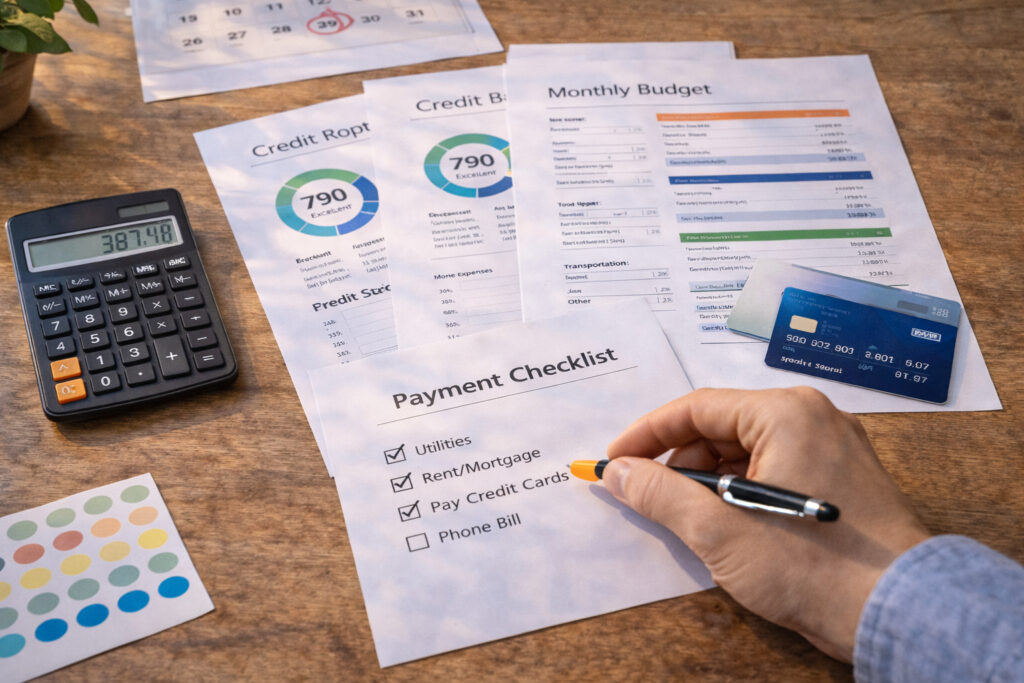
How to Dispute Errors on Your Credit Report

Your credit report is a snapshot of your financial health, and even small errors can hurt your credit score. These mistakes can result from clerical errors, outdated information, or even identity theft. Fortunately, you have the right to dispute inaccuracies and get them corrected.

Step 1: Get a Copy of Your Credit Report

Start by requesting a free copy of your credit report from major bureaus like Experian, Equifax, or TransUnion. Review it carefully for incorrect personal details, wrong account balances, duplicate accounts, or unfamiliar debt.

Step 2: Identify and Document the Errors

Make a list of all errors you find. Gather proof, such as bank statements, payment confirmations, or correspondence with lenders, to support your dispute. Documentation strengthens your case and speeds up the correction process.

Step 3: File a Dispute

You can file disputes online, by phone, or by mail. Clearly explain the issue, attach supporting documents, and request that the bureau investigate. By law, they must respond within 30–45 days.

Step 4: Follow Up

Once the bureau investigates, they will provide a written response. If the correction is made, your credit score may improve. If not, you can add a personal statement to your report explaining the situation.

Why Young Adults Should Start Building Credit Early

Building credit early in life is one of the smartest financial moves young adults can make. Although it might seem unimportant at first, establishing a positive credit history sets the foundation for numerous financial opportunities and benefits in the future.

1. Easier Approval for Rentals and Utilities

Landlords and utility companies often check credit reports before approving rental applications or service accounts. Having a good credit history shows responsibility and lowers the chances of needing a cosigner or paying a higher security deposit.

2. Access to Better Loans and Credit Cards

Banks and financial institutions look at credit scores when approving loans or credit cards. A strong credit history increases the chances of getting approved and qualifying for products with lower interest rates and better terms, saving money in the long run.

3. Lower Insurance Premiums

In many states, credit scores can influence insurance rates, including car insurance. Good credit often means lower premiums, which results in significant savings over time.

4. Improves Job Prospects

Some employers conduct credit checks as part of their hiring process to assess candidates’ financial responsibility. Building good credit early can prevent any negative impact on employment opportunities.

5. Helps Refinance or Secure Loans in the Future

Whether it’s student loans, mortgages, or car loans, a good credit history can help refinance existing loans at lower interest rates, making repayments more affordable.

How to Build Credit Responsibly

  • Start with a student or secured credit card at age 18.

  • Make payments on time and keep balances low.

  • Monitor credit reports for errors regularly.

  • Avoid opening too many accounts simultaneously.

  • Understand credit utilization and aim to keep it under 30%.

How to Fix Errors on Your Credit Report

Your credit report plays a vital role in your financial life. Lenders, landlords, and sometimes even employers use it to evaluate your reliability. But what happens if your report contains errors? Even small mistakes—like a misspelled name or an incorrect late payment—can hurt your credit score and limit opportunities. The good news is you have the right to dispute and fix these errors. Here’s how.

1. Get a Copy of Your Credit Report

Start by reviewing your credit reports from all major credit bureaus (Experian, Equifax, and TransUnion). In many countries, you’re entitled to one free report per year from each bureau through official channels.

2. Identify Errors

Look closely for mistakes such as:

  • Incorrect personal information (name, address, or Social Security number)

  • Accounts that don’t belong to you

  • Wrong payment history (late payments marked incorrectly)

  • Duplicate accounts

  • Outdated debts that should have been removed

3. Gather Supporting Evidence

Collect documents to prove the error, such as bank statements, payment confirmations, or correspondence with creditors. Having evidence strengthens your dispute.

4. File a Dispute with the Credit Bureau

Submit a dispute online, by mail, or by phone with the bureau reporting the error. Clearly state what’s wrong, why it’s incorrect, and include your supporting documents. Be concise and professional.

5. Contact the Creditor Directly

In addition to the bureau, notify the lender or creditor that provided the incorrect information. They are legally required to investigate and correct any inaccuracies.

6. Follow Up and Track Progress

Credit bureaus usually investigate disputes within 30 days. They’ll notify you of the results and provide an updated copy of your report if changes are made. Keep records of all communication in case you need to follow up.

7. Monitor Your Credit Regularly

After fixing errors, continue checking your credit reports periodically. Ongoing monitoring helps you catch mistakes early and protects you from identity theft.

Final Thoughts

Errors on your credit report can feel frustrating, but they’re fixable. By reviewing reports regularly, disputing inaccuracies, and providing proof, you can protect your credit score and ensure your financial profile is accurate. Remember—your credit history is your responsibility, and taking proactive steps ensures it reflects the real you.

Does Checking Your Credit Score Lower It?

Many people are hesitant to check their credit score because they fear it might hurt their financial standing. This is a common misconception. The truth is that checking your own credit score does not lower it. But there’s a reason why this myth persists—let’s break it down.

The Difference Between Soft and Hard Inquiries

When it comes to credit checks, not all inquiries are the same. There are two main types:

  1. Soft Inquiries

    • Happen when you check your own credit or when companies do background checks (like pre-approvals for credit cards).

    • These checks do not impact your credit score.

    • Examples: Using a credit monitoring app, checking your score through your bank, or getting pre-qualified for a loan.

  2. Hard Inquiries

    • Occur when a lender checks your credit report as part of a lending decision (e.g., applying for a mortgage, credit card, or auto loan).

    • These inquiries can lower your credit score slightly, usually by a few points, and may stay on your report for up to two years.

    • Multiple hard inquiries in a short time can signal risk to lenders.

Why You Should Check Your Credit Regularly

Far from being harmful, regularly checking your credit score is a smart financial habit. Here’s why:

  • Monitor Your Progress: Tracking changes helps you understand how your spending, debt, and payments affect your score.

  • Catch Errors: Mistakes on credit reports are common, and spotting them early can save you money and hassle.

  • Prevent Fraud: If someone opens credit in your name, checking your score and report regularly can help you catch it quickly.

How Often Should You Check Your Score?

  • Experts recommend checking your score at least once a month if you’re actively improving your credit or planning for a loan.

Final Thoughts

Checking your own credit score is considered a soft inquiry and has no effect on your credit. In fact, the more informed you are, the better decisions you can make to maintain or improve your score. The only time you need to worry about a drop is when lenders perform hard inquiries during loan or credit applications.

So go ahead—check your credit score regularly. It’s not only safe, but it’s also one of the best ways to take charge of your financial health.

How to Improve Your Credit Score: Strategies That Work

Your credit score is more than just a number — it’s a reflection of your financial habits and a key to unlocking better financial opportunities. If your score is lower than you’d like, the good news is that with consistent effort, you can improve it over time.

1. Pay Bills on Time

Payment history makes up the largest portion of your credit score. Even a single late payment can have a negative impact. Set reminders or use automatic payments to stay on track.

2. Reduce Credit Card Balances

High credit utilization (the percentage of credit you’re using versus your total available limit) can hurt your score. Aim to keep utilization under 30%, and ideally closer to 10%.

3. Avoid Opening Too Many Accounts at Once

Each credit application triggers a hard inquiry, which can lower your score temporarily. Apply only when necessary.

4. Keep Old Accounts Open

The length of your credit history matters. Unless there’s a good reason to close an account, keeping older credit cards open can help maintain a longer average history.

5. Diversify Credit Types

Having a mix of credit — such as credit cards, a car loan, or a mortgage — shows lenders you can handle different types of debt responsibly.

Bottom Line: Improving your credit score is about consistent good habits. With time and discipline, you can build a stronger financial profile.

The Do’s and Don’ts of Maintaining a Healthy Credit Score

Maintaining a strong credit score requires consistent financial discipline. By following a few smart strategies—and avoiding common mistakes—you can safeguard your score and financial reputation.

The Do’s

  • Do Pay on Time: Timely payments build a strong repayment record.

  • Do Use Credit Wisely: Keep balances low relative to your credit limit.

  • Do Maintain Old Accounts: Older accounts help improve the length of your credit history.

  • Do Diversify Credit Types: A healthy mix of credit cards, loans, and mortgages demonstrates responsible borrowing.

The Don’ts

  • Don’t Max Out Cards: High credit utilization signals financial risk.

  • Don’t Apply for Too Many Loans at Once: Multiple hard inquiries may lower your score.

  • Don’t Ignore Errors: Uncorrected mistakes on your credit report can unfairly damage your score.

  • Don’t Close All Old Accounts: Shutting them down reduces your credit history length and available credit.

Conclusion: The key to a healthy credit score lies in balancing responsible credit usage with long-term financial planning. By following these do’s and avoiding the don’ts, you ensure lasting stability and financial opportunities.

Simple Habits to Improve Your Credit Score Quickly

A good credit score can open doors to lower interest rates, higher credit limits, and better financial opportunities. Improving it doesn’t always require drastic steps—sometimes, simple daily habits can make a big difference.

Key Habits to Boost Your Credit Score

  1. Pay Bills on Time: Consistently meeting due dates is the most important factor affecting your score. Even one missed payment can hurt.

  2. Check Your Credit Report Regularly: Reviewing your report helps identify errors or fraudulent activities that might affect your score.

  3. Pay More Than the Minimum Due: Clearing balances in full or paying extra reduces debt faster and improves your repayment history.

  4. Limit New Credit Applications: Too many hard inquiries in a short period can temporarily lower your score.

Conclusion: Small, consistent financial habits—like timely payments and responsible usage—can lead to quick improvements in your credit score and long-term financial health.

The Hidden Impact of Credit Scores on Everyday Life

Introduction

Most people associate credit scores with loans and credit cards, but their influence goes far beyond borrowing. Credit scores quietly affect many aspects of daily life that often go unnoticed.

Areas where credit scores make a difference:

  • Housing: Landlords often check credit before approving rental applications.

  • Employment: Some employers review credit reports (with consent) as part of the hiring process.

  • Insurance Premiums: Auto and home insurers may use credit scores to set rates.

  • Utilities & Services: Utility providers may require a deposit if your score is low.

  • Relationships & Partnerships: Financial habits, including credit scores, can affect trust in personal and business relationships.

Conclusion

Credit scores silently influence far more than borrowing. From housing to jobs, they play a hidden role in everyday opportunities. Protecting and improving your score is not just about loans—it’s about securing your lifestyle.

Credit Scores Demystified: What They Really Mean

Introduction

A credit score is more than just a number—it’s a financial fingerprint that reflects how responsible you are with money. Yet, many people don’t fully understand how credit scores are calculated or why they matter.

Key elements that make up a credit score:

  • Payment History (35%): Timely payments build trust with lenders.

  • Credit Utilization (30%): Using less than 30% of your available credit shows financial discipline.

  • Length of Credit History (15%): The longer your accounts stay open, the better.

  • Credit Mix (10%): A healthy combination of loans and credit cards boosts scores.

  • New Credit Inquiries (10%): Too many applications in a short time can lower your score.

Why it matters:

  • Determines loan approvals and interest rates.

  • Affects renting an apartment or even job applications in some industries.

  • Impacts financial opportunities like credit cards and mortgages.

Conclusion

Your credit score isn’t just a number—it’s a reflection of your financial habits. By understanding its components, you can make smarter choices to improve and protect it.