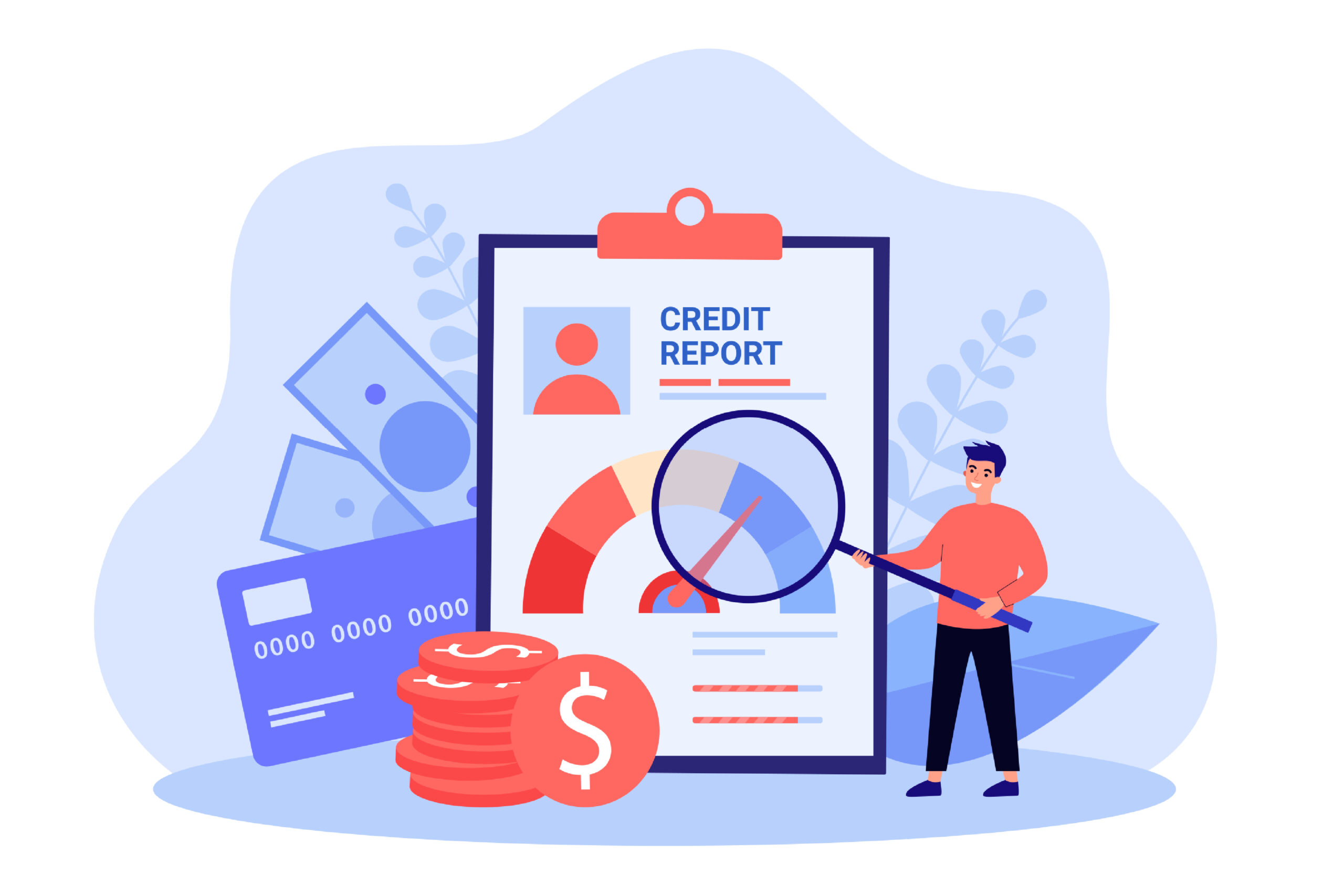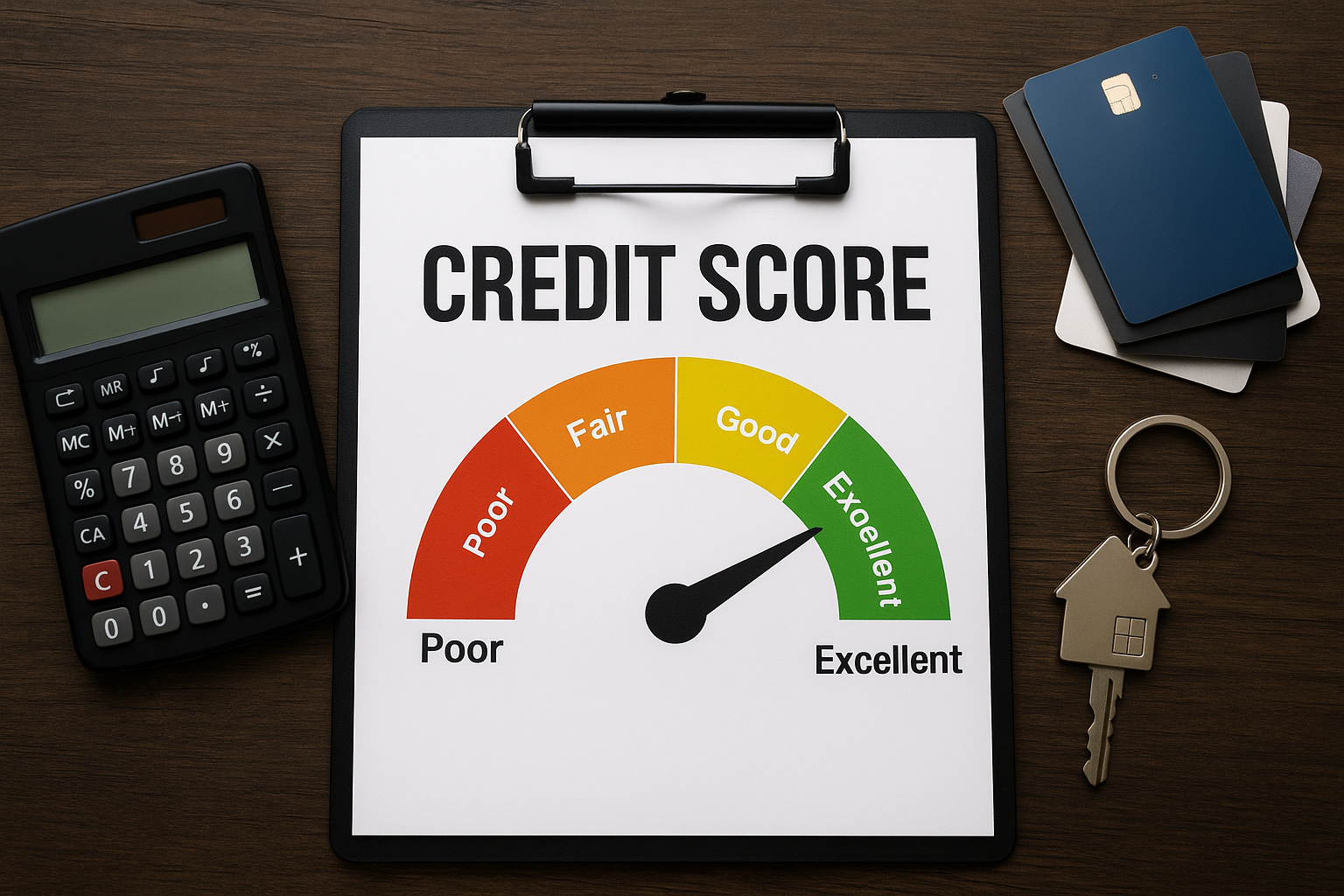
Improving your credit score is a gradual process that rewards consistent habits and informed choices.
Start by understanding the components that influence your score so you can prioritize actions effectively.
Small, regular improvements often yield better long-term results than dramatic short-term fixes.
This guide outlines practical steps you can follow to strengthen credit health over time.
Understand Your Current Report
Begin with a careful review of your credit report to identify errors, outdated information, and accounts that affect your score most heavily. Check for incorrect balances, unfamiliar accounts, and reporting errors, and note any adverse entries such as late payments or collections. Knowing the specific items on your report helps you form a targeted plan rather than applying generic fixes. Accurate information is the foundation for any meaningful credit improvement effort.
Once you have a clear picture, prioritize items that have the largest negative impact. Disputing genuine errors with the reporting agency can remove damage quickly, while negotiating with creditors might resolve legitimate delinquencies. Keep records of all communication and confirmations during the dispute process. Regularly recheck your report after actions are taken to confirm updates.
Address High-Impact Issues
Focus on the factors that typically influence scores most: payment history, credit utilization, and the age and mix of accounts. Bringing past-due accounts current and establishing an on-time payment record will steadily restore trust in your credit profile. Lowering credit card balances to reduce utilization often produces noticeable score improvement in a short period. Avoid closing older accounts solely to reduce the number of accounts, as age and available credit can be beneficial.
When dealing with collections or charged-off accounts, consider seeking a pay-for-delete agreement or asking for a goodwill deletion after payment. Make sure any settlement is documented in writing before you pay. If debts are legitimate but burdensome, explore repayment plans or professional counseling to create a sustainable path forward. Responsible management of these issues prevents recurring damage.
Make Consistent Positive Moves
Consistency matters: on-time payments, modest credit use, and careful new-account activity build a stronger profile over months and years. Automate payments to prevent accidental late payments and set target utilization ratios to keep balances low relative to limits. Diversifying credit types responsibly can help, but only when you can manage additional obligations without stress. Patience and steady habits usually outperform quick fixes or risky credit maneuvers.
Track progress regularly and adjust the plan as your circumstances change. Celebrate milestones, like reducing utilization or adding several months of on-time payments, to stay motivated. Remember that rebuilding credit is measurable and achievable with clarity and persistence.
Conclusion
Consistent, informed actions produce reliable improvement in credit scores over time.
Focus on correcting errors, addressing high-impact problems, and sustaining good habits month to month.
With patience and a clear plan, your credit health can steadily strengthen and open new opportunities.